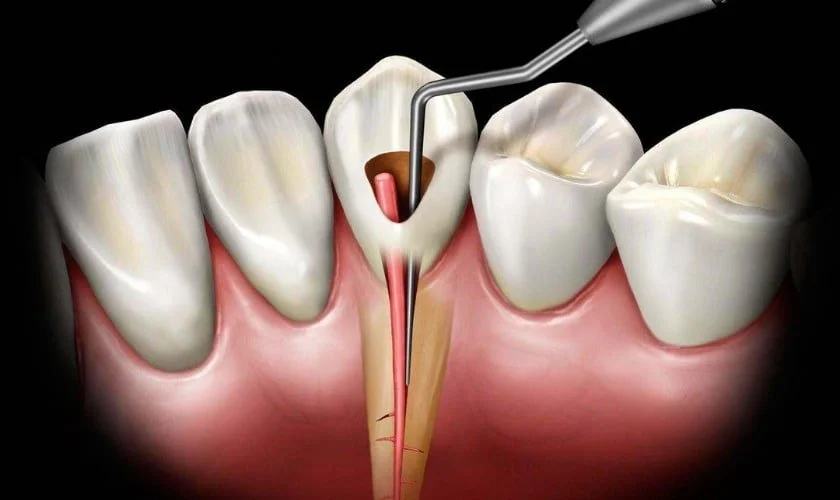
Dental Treatment For Tooth Decay From Bulimia Nervosa, Anorexia Nervosa And Gastric Reflux

Bulimia Nervosa

Bulimia is a serious eating disorder characterised by binge (or excessive) eating, followed by methods used to prevent weight gain and discard the food eaten. The majority of patients suffering from bulimia choose to vomit or purge the excess food.

Bulimia Nervosa

Bulimia is life-threatening, causing both physical and psychological harm to the body. Over time, bulimia can negatively impact the body in several ways such as:

  • Stomach damage from over eating.

  • Electrolyte imbalance (having levels of sodium, potassium, or other minerals that are too high or too low, which can lead to heart attack or heart failure)

  • Throat pain and ulcers in the throat (due to a frequent flow of gastric acid that deteriorates oesophagus and stomach lining)

  • Anxiety, guilt or mood swings

  • Absence of menstruation or irregular menstruation

  • Bad breath, dental cavities, and dry mouth

  • Mucositis (when your mouth or gut is inflammed, commonly associated as a side effect of chemotherapy and radiotherapy)

In patients suffering from bulimia, the most notable impact is a very damaged and unhealthy set of teeth due to the gastric acid eating away minerals that form the tooth enamel.

Patients suffering from gastric reflux would display the same tooth erosion due to the continual backward flux of the hydrochloric acid within the stomach.

This can affect the appearance of your teeth and open the door for harmful bacteria which cause cavities.

Anorexia Nervosa

Anorexia is a serious eating disorder characterised by a person’s extreme desire to lose weight, causing them to become obsessed about what they eat.

Anorexia Nervosa

With an unwarranted fear of being overweight and a distorted body image, a patient suffering from anorexia can starve themselves or choose to over exercise. Likewise, they tend to follow certain restrictive diets consisting of very few food variety, which then negatively impact their body with effects such as:

  • nutrition deficiency

  • electrolyte imbalances

  • hair loss

  • brittle hair and nails

  • unhealthy, dry skin

  • constipation

  • lethargy, lack of energy, exhaustion

  • delay puberty and slow growth

  • depression, anxiety and/or guilt

  • tooth erosion and gum disease (due to lack of saliva production and/or following an extremely acidic diet can also escalate the symptom)

Chronic Gastroesophageal Reflux (GERD)

Gastroesophageal reflux disease (GERD) occurs when stomach acid repeatedly flows back into the tube connecting your mouth and stomach (oesophagus). This backwash (acid reflux) can irritate the lining of your oesophagus. The action of acid reflux can also be called acid regurgitation.

If you have acid reflux for more than two weeks, you are classified as having (GERD).

Some symptoms of GERD include:

  • nausea

  • chest pain

  • pain when swallowing

  • difficulty swallowing

  • chronic cough

  • a hoarse voice

  • bad breath

Progression of Gum Disease

Tooth Erosion Pattern

Erosion or wear is caused by the introduction of corrosive agents has a satiny finish . Erosion often occurs in areas where other tooth surfaces can't touch.

The distribution of lesions from dental erosion due to intrinsic acid regurgitation and vomiting may be different from patterns of dental erosion due to extrinsic acids. There are two types of erosion: intrinsic and extrinsic.

Intrinsic erosion usually comes from regurgitated stomach fluids, i.e, reflux or bulimia. Intrinsic erosion most commonly affects the lingual and occlusal surfaces of teeth and may be asymmetric as in the wear of GERD:

Intrinsic erosion

Extrinsic erosion is caused by ingested acidic substances and will show up on the facial and occlusal surfaces of teeth and is often worse in the lower arch.

Extrinsic erosion

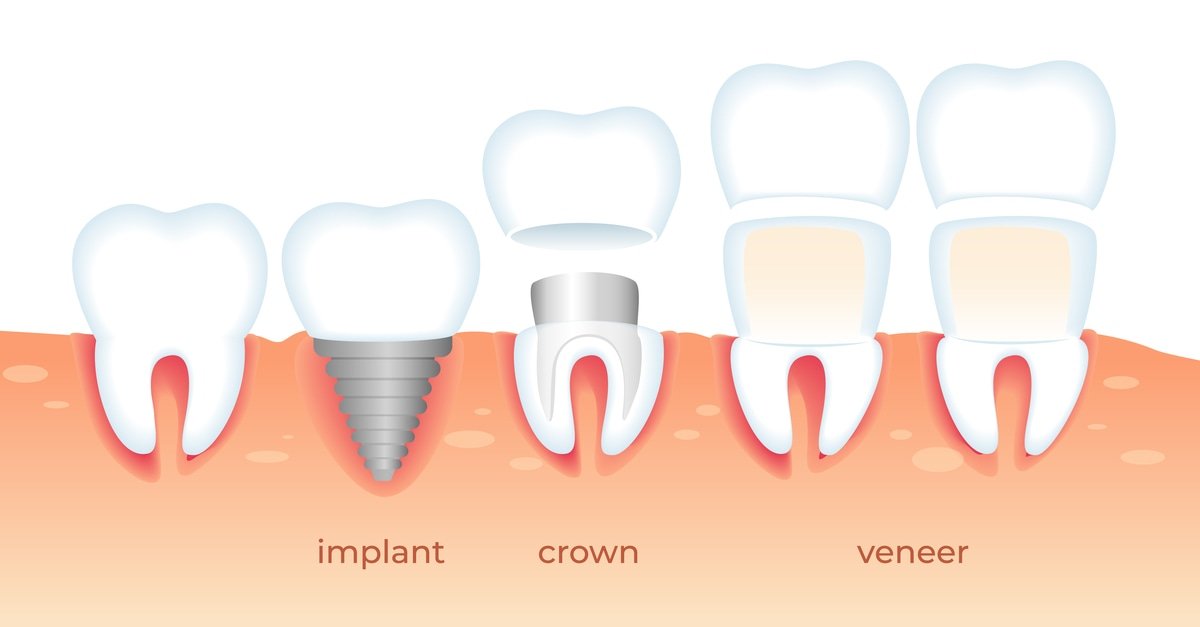
Treatments To Restore Damaged Teeth From Erosion

Because damaged tooth enamel does not naturally regenerate, specialised treatment proposed by qualified dental practitioners is needed to repair your tooth.

Dental erosions can be treated with:

  • Dental veneers

  • Fillings

  • Crowns

  • Root canal treatment, or

  • Tooth extraction and/or tooth implant

As gastric acid erodes many teeth at once, crowns and fillings are the most popular treatments for restoring patients’ teeth.
Treatments To Restore Damaged Teeth From Erosion

Tooth erosion conditions vary from person to person. The best course of action is to contact a dental practice for a consultation so that the dentist is able to propose a treatment plan.

At Pain Free Dentist Sydney, we are proud to provide excellent dental service that is completely pain-free. Along with Dr. Lisa Chong’s 25 years of experience in general dentistry, dental implants, and specializing in TMJ dysfunction, you can certainly allow yours f to be under our care worry-free!

Please do not hesitate to give us a call at 9558 8988. Alternatively, you can try to reach us via email info@painfreedentistsydney.com.au if you have any health inquiries or problems.

What foods cause tooth erosion?

Tooth erosion is different from tooth decay because erosion is not caused by bacteria, but rather by the wearing down of the tooth enamel due to eating acidic food. Common foods which cause tooth erosion are acidic. Your enamel is mostly made of crystals of a mineral called hydroxyapatite. This mineral structure can start to dissolve if surrounded by acids of pH lower than 5.5, creating holes in the teeth called cavities. Some foods which cause tooth erosion can include:

  • Citrus fruits or fruit juices, especially lemon, orange, cranberry or apple juice.

  • Soft drinks (containing phosphoric and citric acid).

  • Sugar (is not acidic however it encourages the growth of acid-creating bacteria in your mouth, causing tooth erosion and tooth decay).

  • Certain medications such as aspirin and antihistamines.

Looking for dental treatment for Bulimia Nervosa, Anorexia Nervosa And Gastric Reflux ?

Call us now at 02 9558 8988 or email us at info@painfreedentistsydney.com.au to organise a consultation today!

Sjogren's Syndrome: Link To Tooth Decay And TMJ Dysfunction

What is Sjogren’s Syndrome?

Sjogren’s syndrome is a systemic autoimmune, rheumatic disease characterised by dry eyes and dry mouth. In patients with this disorder, the body’s own immune system attacks its own healthy cells in glands that produce saliva, tears and sweat.

Sjogren’s syndrome most commonly occurs in women, people over 40 and those who have rheumatic disease, like rheumatoid arthritis or lupus.

Symptoms of Sjogren’s syndrome can include:

  • Dry eyes (gritty, sandy or stinging feelings)

  • Dry mouth, cracked tongue

  • Burning throat and difficulty talking

  • Cracked lips

  • Tooth decay and increase in tooth cavity

  • Dry skin, nose and lack of vaginal fluid

  • Reflux

  • Nausea

  • Muscle weakness

Symptoms of Sjogren's Syndrome

How Does Sjogren’s Syndrome Cause Tooth Decay?

Sjogren’s disease may also be associated with some oral health complications such as accumulation of plaque, gingivitis, and/or periodontitis. Saliva contains antimicrobial agents that help combat bad bacteria that fuel cavities. Dry mouth and lack of saliva production can increase the risk of cavities, tooth loss, and infections in the mouth. Similarly, a dry mouth makes chewing and swallowing more difficult.

Currently, there is no cure for Sjogren’s Syndrome. Hence, replenishing the body with fluids to avoid dryness is crucial in maintaining a healthy, functional body. Some moisture therapies such as eye drops and ointments may relieve dry eyes. Drinking more water throughout the day may also help the patient to avoid dry mouth and prevent bacteria build up in the mouth, causing tooth decay and cavity. Severe symptoms of Sjogren’s are often treated with prescribed corticosteroids or immunosuppressive drugs.

If necessary, your dentist can prescribe artificial saliva to relieve your dry mouth. Sjogren's Syndrome puts patients at a higher risk of developing cavities and gum disease. Thereby, seeing your dentist regularly for cleanings and exams can help identify dental problems early or prevent them altogether.

Worried about Sjorgen’s Syndrome?

Call us now at 02 9558 8988 or email us at info@painfreedentistsydney.com.au to organise a consultation today!

TMJ FOR SLEEP APNEA AND TONGUE TIE PATIENTS

TMJ in tongue tie or lip tie patients

Tongue-tie, or clinically referred to as “ankyloglossia”, is an obstruction to the movement of the tongue due to a string of tissue (frenulum), that is thicker or shorter than usual. Facial restriction and limited tongue functionality can lead to difficulty in breastfeeding in infants, sucking, swallowing, eating, drinking, chewing, breathing, speech, jaw growth, posture and digestion.

Accompanying the tongue restriction, there is a tension in the temporo-mandibular joint movement, lower jaw, mouth, neck face and head.

An open mouth, incorrect bite, clenching and grinding or constant compensations of the muscles while swallowing and speaking can result in orofacial pain and TMJ dysfunction.

In addition, tongue tie can have an effect on the oral hygiene of the patient, as the tongue cleanses the teeth inside the mouth.

A tongue tie cannot be self-diagnosed since a comprehensive functional assessment of the tongue is essential. Hence, to best resolve escalating issues and future chronic pain, patients can seek help from qualified chiropractors or TMJ specialists, who are specifically trained to diagnose a personalised treatment plan for the patients.

Lingual frenulum and Abnormal lingual frenulum

TMJ in sleep apnea patients

Due to the tongue and/or lip impairment caused by ankyloglossia, the oral structures and airways tend to be smaller than normal. This may lead the oral tissue to collapse, blocking the airway multiple times during sleep and causing Obstructive Sleep Apnea (OSA). OSA interferes with restful sleep, and in worse cases, it contributes to the risks of a heart attack or stroke.

TMJ dysfunction can occur in patients who do not have a tongue or lip tie. Medical researchers have found nearly half of people with TMJ also have trouble sleeping. Those suffering from obstructive sleep apnea often experience a collapse in their airway, which then causes the body to push the lower jaw forward to open up the airway. This constant motion by the TMJ throughout the night can cause stress and tension on the jaw joint and increase the likelihood of sleep apnea.

If you have TMJ disorder, you may clench or grind your teeth at night. A tongue tie patient can snore during sleep, leading to unrestful sleep. Clenching not only puts strain on your teeth and jaw, but it can cause you to wake up from discomfort.

TMJ dysfunction can lead to serious consequences if left untreated, particularly the health risks such as:

  • Frequent migraines

  • Chronic jaw pain

  • Extreme fatigue and anxiety or depression.

  • Tooth loss or tooth damage

  • Tinnitus

  • Vision problems

  • Compromised hearing

  • Vertigo (trouble balancing and dizziness)

Because TMJ and sleep apnea are heavily intertwined, it is best to seek a TMJ specialist to ensure your quality of life is improved.

TMJ and sleep apnoea

How does a tongue tie affect jaw?

A tongue tie can negatively affect the growth of both upper and lower jaws due to limited tongue stimulation to expand the jaw area. This can cause various problems including sleep apnea, difficulty breathing, jaw and mouth pain, crooked teeth, as well as tooth decay due to the crowding of the teeth.

How painful is tongue tie surgery?

Under local anaesthetic, the tongue tie procedure is quick, simple and almost painless and allows the patient to return to normal habits much faster. The benefits will be seen immediately, as the tongue would have the freedom to move around the jaw and not block the airways, causing sleep apnea in some patients.

Can a frenectomy help with TMJ?

Frenectomy, or commonly called a tongue or lip tie release, is a surgical procedure whereby the dentist will cut the frenulum to expand the movement of the tongue within the mouth. It is not preferred to have your tongue tie cut using a laser, due to the cauterising or coagulating effects that a laser may bring. Since the area under the tongue is very vascular, there will be less bleeding and the area will heal much more quickly. The dentist may choose to stitch up the area under local anaesthesia to prevent bleeding.

Should adults get tongue tie snipped?

It is in the best interest of a patient to get their tongue tie snipped as soon as possible. Getting a tongue tie release makes it easier for the tongue to participate in regular jaw movements.

This not only helps the jaw to move more comfortably, but it can also relieve the tension in various muscles and reduce the risk of chronic pain conditions.

What age is best for tongue tie surgery?

Babies younger than 3 months old can have their tongue snipped without local anaesthesia because the tongue area has few nerve endings or blood vessels. A tongue tie is a hereditary condition, hence untreated tongue tie can negatively affect the feeding and speech problems of the child, which may magnify during adulthood.

Anyone at any age can undergo a tongue tie release, but earlier treatments ensure the patient does not develop growth issues involving their surrounding jaw structures. Furthermore, it ensures the patient does not develop TMJ dysfunction and/or myofascial pain (chronic muscular pain).

What happens after tongue tie release in adults?

Depending on each individual, the healing process can range from a few days to a few weeks. It is perfectly normal for bleeding to occur when stretching the area, so you should always try to do some tongue tie exercises more regularly to avoid reattachment of the tongue tissues. With time, the snipped site will be filled with some whitish or yellowish fiber. This is not pus and you should not try to remove it.

You may eat or drink immediately after the treatment, however it is best to wait until the anaesthetic wears off and/or the bleeding stops. Avoid hot, spicy or crunchy food that can poke onto the wound in order to speed up the healing process and prevent any infection.

Do you have to do tongue tie stretches at night?

For babies, parents can try to position the baby onto their lap or on a bed with feet away. Do one stretch on the evening of the release, and the next stretch can be done the following morning. On average, stretches should be done about 6 times a week. The duration of tongue tie stretches can be reduced slowly until the end of 4th week. Never stretch for more than 4 hours each session.

For adults, you can try to follow an exercise structure by sticking your tongue out 10 times and moving left to right, up to down 10 times. This exercise should be done daily to stimulate the tongue muscles and avoid tongue reattachment. If in pain, medications such as oral paracetamol or ibuprofen can be taken, however you should first consult this with a medical doctor to be prescribed the right amount.

Eating lukewarm or cold food such as ice cream can prevent irritation of the wound and also stimulate the healing process of the tongue.

Suspect you or a loved one has a tongue tie?

Call us now at 02 9558 8988 or email us at info@painfreedentistsydney.com.au to organise a consultation today!