OVERVIEW OF OUR SERVICES
It’s very difficult to find a good dentist and a suitable dental treatment plan. Hence, Pain Free Dentist Sydney offers extremely dedicated services to ensuring excellent dental health for both adults and children, so they can confidently show their beautiful, healthy smiles.
At Pain Free Dentist Sydney, the dentist and dental assistant will introduce themselves and ask patients about any specific concerns/issues with their gums, teeth, physical smile appearance, or aches.
The dentist may request an X-ray to be taken of your teeth and gums during your dental check-ups.
For consultations, patients can request the dentist for:
TMJ botox
IV sedation
wisdom teeth extraction
fillings that are not matching to bite or jaw alignment
tongue tie, lip tie
dental implants
cosmetic makeover
TMJ disorder
TMJ (or temporomandibular joints) reside on each side of your jaw and connect your jawbones to your skull.

Temporomandibular joint dysfunction detailed diagram.
More specifically, they are the joints that slide and rotate in front of each ear to allow the mandible (lower jaw) to move up and down, side to side, and forward and backward.
Disorders of the temporomandibular joint and nerve, or TMD, prevent the complex system of muscles, bones, and joints from working together in harmony.
The most common symptoms of TMD are pains or discomfort in the fascia (connective tissue covering the muscles) and muscles that control jaw, neck, and shoulder function.
Likewise, there are other symptoms attributed to the diagnosis of TMD:
Headaches
Pains in the eyes, shoulders, face, neck and/or back
Clicking jaw or popping jaw
Jaw locking
Limited neck, or limited mouth motion
Sensitivity of the teeth without the presence of an oral health disease
Numbness or tingling sensations in fingers
TREATMENT FOR TMJ DYSFUNCTIONS
Some in-home treatments such as meditation, sleep, correct posture, and exercises may help to alleviate the symptoms of TMD. However, refusing professional or specialist treatments can lead to worsened TMD conditions (in some cases, they can become chronic, or long-lasting).
This would create a detrimental impact on the patient’s emotional, physical, and mental well-being, as researches show escalated TMD can trigger anxiety, depression, and/or stress due to continual pain.
At Pain Free Dentist Sydney, we are proud to introduce a unique solution to any complicated TMJ condition. As such, Dr. Lisa Chong is a competent TMJ specialist who has over 30 years of experience in treating patients with TMJ dysfunction.
From her vast experiences and qualifications, Dr. Chong personally created a mouthguard structure (called a ‘splint’). which aims to correct the jaw/teeth alignment to permanently erase any pain symptoms, that can become chronic if left untreated.
A prior consultation with Dr.Chong is required as patient conditions vary case by case. It is in the patient’s best interest to give us a phone call or to meet Dr. Chong at her clinic so that we are able to deliver our best quality service!
COSMETIC DENTISTRY
We sincerely care about our customers and we always strive to deliver services that exceed your expectations. Hence, our cosmetic dentistry range of treatments does not stop only at dental veneers, crowns and fillings, but extend to full face aesthetics to improve the patients’ overall wellbeing.
PRP REGENERATIVE TREATMENT
Platelet Rich Plasma (PRP) injection is a form of injectable treatment for various musculoskeletal injuries that utilizes the body’s own healing potential. The procedure is performed by drawing the patient’s own blood into a tube and placing it into a centrifuge to be spun down. This will separate the yellow platelet rich plasma from the red blood cells. The yellow plasma layer is then used to be injected into the deep dermis or fat layer of the skin. Platelets gradually increase collagen which can increase skin thickness and overall health of the skin.
Medical practitioners use PRP treatments to stimulate healing in injured or degenerative tissue. Although PRP is most often used for injuries - such as tendon injuries (tendinopathies) and joint injury (cartilage thinning or osteoarthritis), research shows a positive correlation between PRP treatment versus improvement in facial aesthetics.
Pain Free Dentist Sydney offers low-risk PRP treatment for aesthetics, that is recommended for:
Improvement of skin tone and texture
Increase in facial skin thickness
Use in sensitive areas
Accelerating recovery
For hair loss and restoration

A previous patient’s treatment with Platelet Rich Plasma injections.
We use local anaesthesia injections (lidocaine) to ensure a completely pain-free experience. A regular visit for 3-6 sessions will ensure the best results for tissue/hair regeneration.
HIKO NOSE THREAD-LIFT
HIKO nose thread-lift is a non-surgical and minimally invasive procedure that aims to lift the profile of the nose from the nasal root to the tip. This will help the nose to have a thinner and well-defined bridge.
HIKO nose thread-lift is a perfect solution for both males and females who want a higher bridge and a more projected nose overall. Similarly, it also avoids concerns over the use of fillers migrating or causing lumps. After doing the Hiko thread-lift treatment, patients will see an immediate result of the nose looking more slim and elegant.
The threads used for HIKO are called PDO (polydioxanone) and they are completely absorbed over time. As they dissolve, these ultra-fine threads create new tissue fibroblasts and collagen, giving a tightening effect and further enhancing the nose contour.
Compared to traditional fillers, HIKO thread-lift procedures:
Lasts up to 2 years
Does not migrate and broaden the nose
Does not cause lumpiness
Stimulates natural collagen production
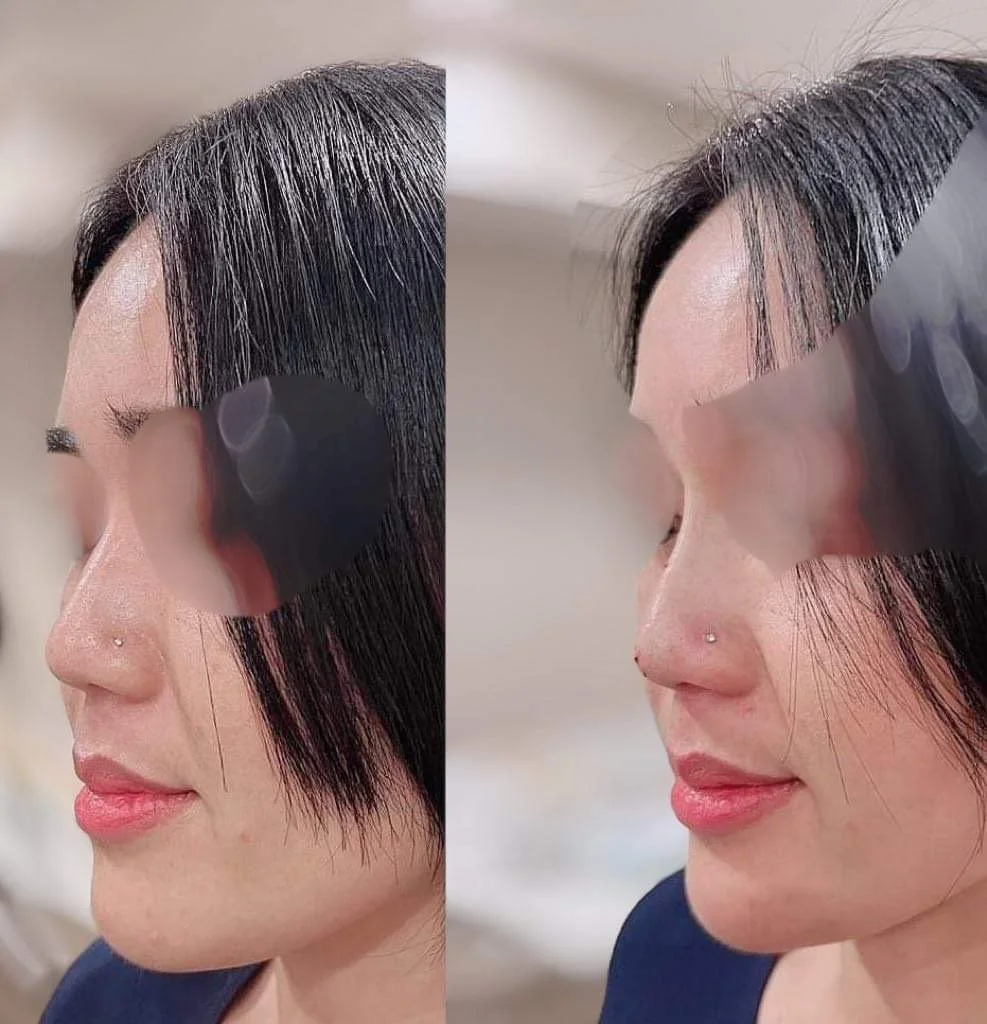
Patient’s before and after photo of HIKO thread-lift
NON-SURGICAL FACE-LIFT
Thread lift is a non-surgical cosmetic procedure that offers a minimally invasive alternative to face-lift surgery.
As we age, we naturally produce less and less collagen, causing the skin’s support structure to weaken. Hence, this leads to the skin sagging due to gravity, leading to wrinkles and creases appearing.
A PDO thread lift is a non-surgical facelift procedure where facial skin is lifted and tightened using Collagen-stimulating Polydioxanone (PDO) threads. These threads are anchored and inserted into different layers of the skin using needles, instantly lifting and tightening sagging skin. Anywhere from 1-15 threads may be used per section.
The strategic placements of threads will correct any skin laxity, contour the face and neck, as well as restore collagen by stimulating its production. This prolonged collagen stimulation helps strengthen the skin’s structure and improve its firmness.
Non-surgical facelifts are recommended for both men and women over 30 years of age looking to undergo a non-invasive natural alternative to a surgical facelift.
Treatable areas include:
Lower Jaw
Cheeks and Cheekbones
Eyebrows
Upper and lower Lip
Jowls
Crows Feet
Forehead
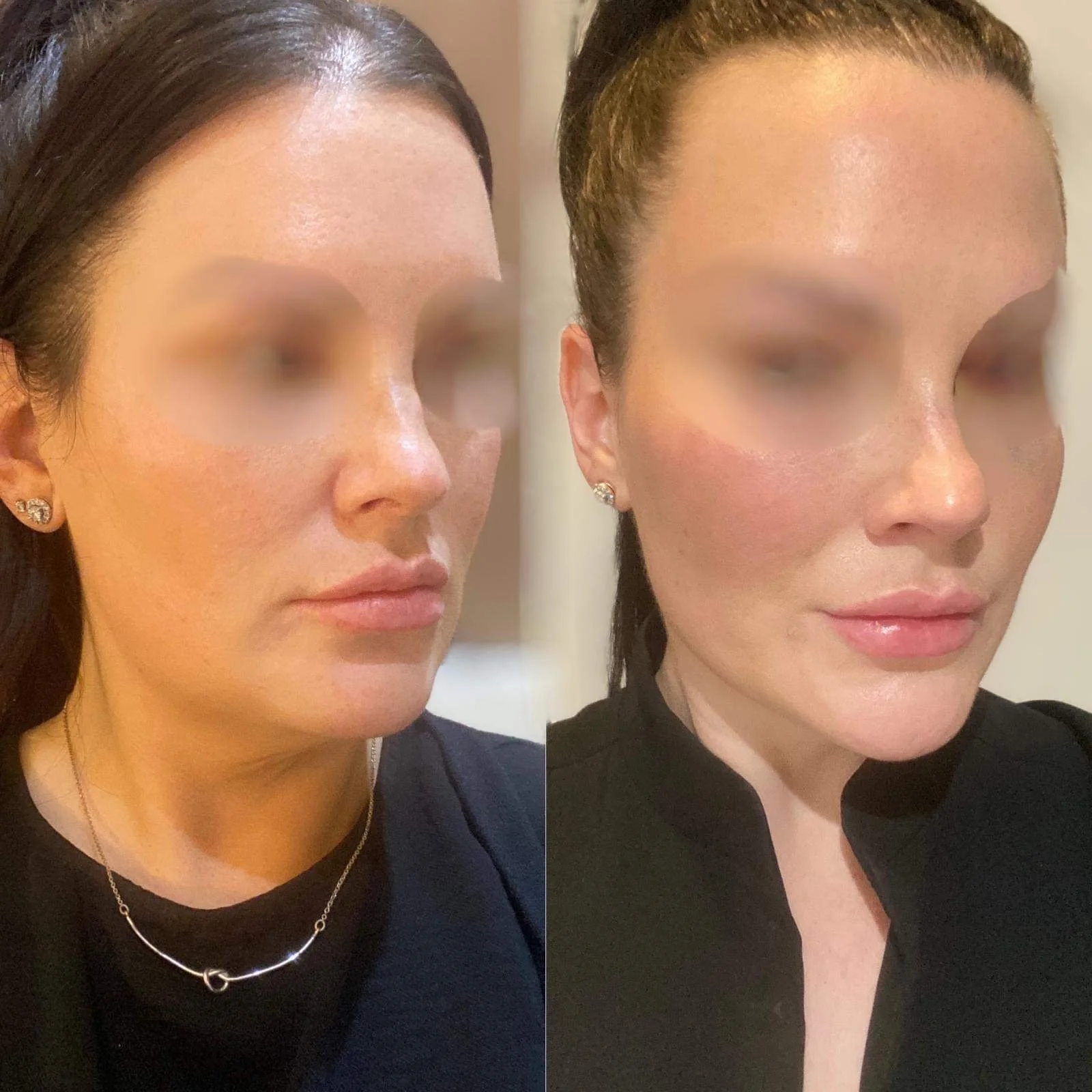
A before and after photo of a patient undergoing PDO threadlift.
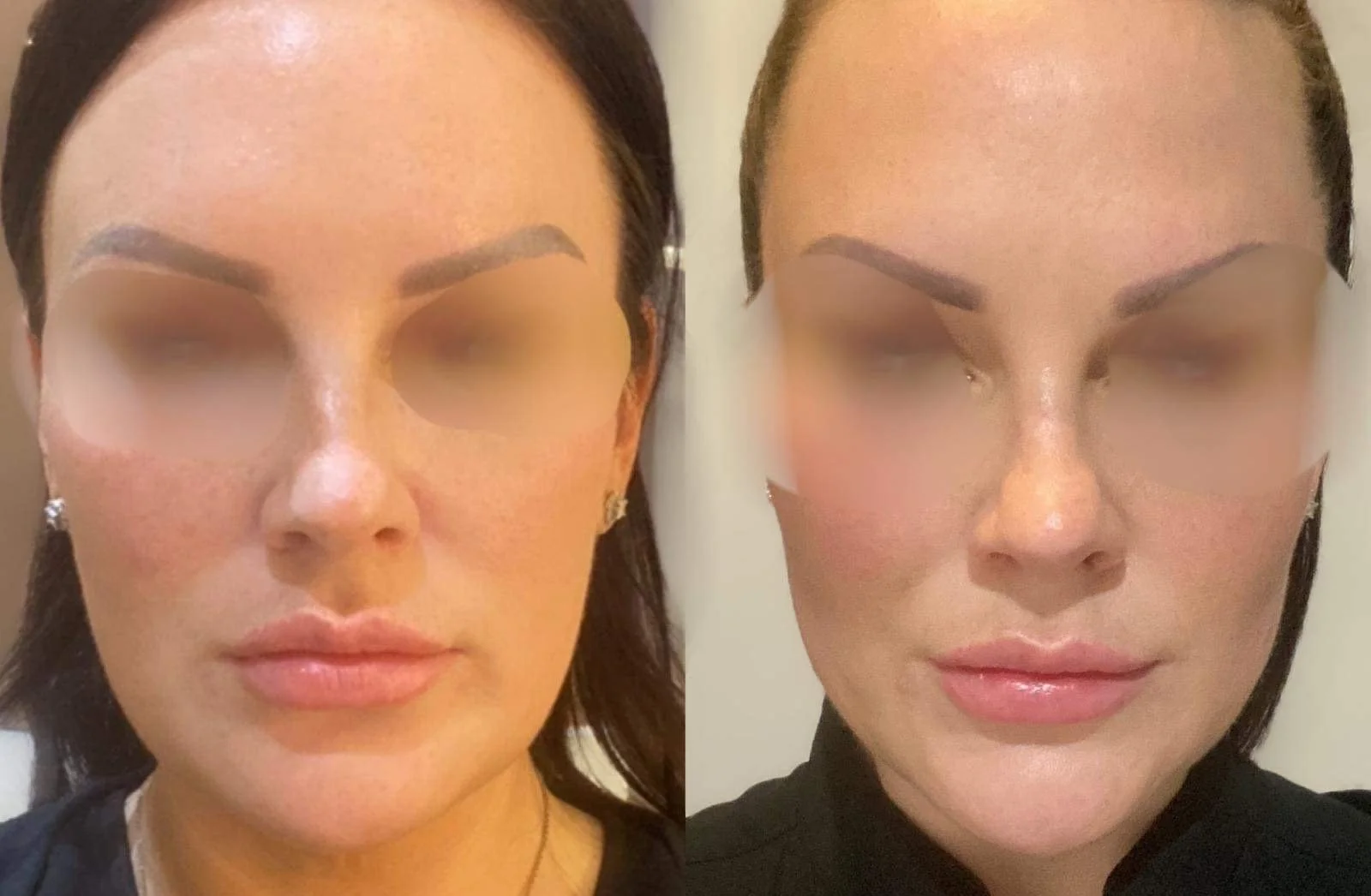
A before and after photo of a patient undergoing PDO threadlift.
DENTAL VENEER VS. DENTAL CROWN
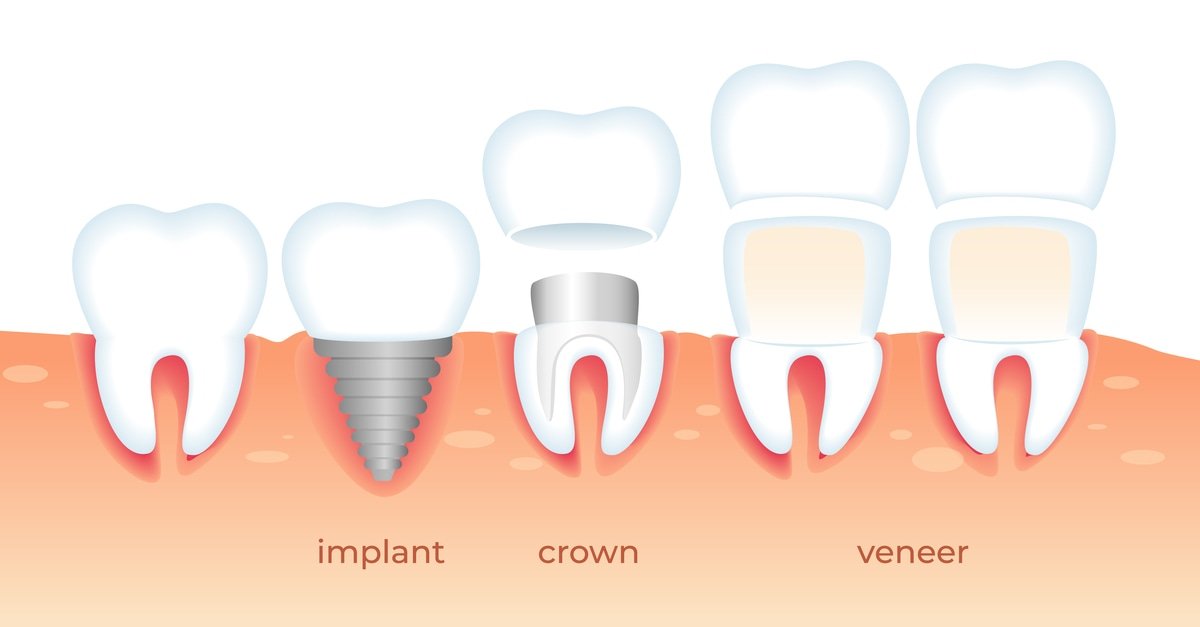
A veneer is a very thin layer of porcelain that only covers the front of your existing tooth. They’re not as invasive as crowns, because the preparation leaves more of your original tooth intact.
A crown covers the entire tooth. With a crown, more of the tooth needs to be filed or ground down to prepare for the crown placement.
Depending on the severity of the teeth and your preferences, the dentist will introduce teeth restoration options for you to choose from. There are several advantages and disadvantages regarding veneer and crown, outlined below:
VENEER:
Dental veneer is a cheaper alternative to crown, and is less invasive. Veneers can make the teeth look more aesthetically pleasing than crown, and it somewhat allows more natural tooth to be remained.
However, veneers can cause tooth decay due to bacteria sticking onto hard to reach surfaces in between tooth and the veneer. Similarly, it is not permanent and the patient is required to replace them within a few years depending on the veneer material used.
CROWN:
By having a crown, all surfaces of the tooth is covered, meaning there will be less likely chances of tooth decay due to bacterial remains. Crowns are relatively permanent does not have to be replaced. Similarly, a crown will give your teeth a more natural look and feel.
GENERAL DENTISTRY
TOOTH DECAY / TOOTH EROSION TREATMENT
TOOTH DECAY:
Tooth decay (caries), commonly called tooth cavity, is a dental condition where there is a destruction to the enamel, a hard surface structure outside of the tooth.
Once tooth decay has eroded the enamel, cavities can start to form.
According to the American Dental Association (ADA), a tooth consists of three layers:
Enamel: The hard outer layer that protects the inner layers of a tooth. Tooth enamel contains no living cells and is the hardest structure in the human body.
Dentin: The second layer of a tooth. When the enamel is damaged, it may expose the dentin. Small tubes within the dentin allow hot and cold food to stimulate the nerves of the tooth. The stimulation of these nerves can cause pain and sensitivity in the tooth.
Pulp: The center of the tooth. The pulp contains blood vessels, nerves, and connective tissue.
Tooth decay can occur in varying stages of severity. More severe cases of tooth decay involve cavities penetrating to levels as low as pulp tissues, leading to painful absesses of the pulp within the tooth.
Want to start treatment with us?
Call us now at 02 9558 8988 or email us at info@painfreedentistsydney.com.au to organise a consultation today!