I have bad breath, what do I do?

What is bad breath?

Bad breath is an oral health problem that is typically caused by bacteria in the mouth.

How do I get rid of bad breath?

Causes of Bad Breath

  • Poor oral health care - Without correct and regular brushing and flossing, as well as regular dental cleans, food remains in the mouth and creates a breeding ground for bacteria. Food that collects on the teeth, gums, and tongue may rot and cause an unpleasant odor and taste in the mouth.

  • Gum disease - bacteria and plaque build-up around the gumline can cause inflammation and exacerbation of gum disease

  • Smoking - tobacco products allow host for bacteria and also puts a higher risk for gum disease, bad breath and loss of taste

  • Underlying health conditions

How do I get rid of bad breath?

  • Brush and floss your teeth at least twice a day.

  • Visit your dentist on a regular basis for check-ups and cleans to find problems such as gum disease and infections

  • Brush your tongue, cheeks, and the roof of your mouth. Most bad breath bacteria live on the tongue making it very important to clean the tongue.

  • If you use dentures, remove them at night and clean them before putting them back in.

  • If you smoke, quit. This will improve your breath and health.

I want to get a check-up and clean done

Great! At Pain Free Dentist Sydney, we can provide these services for you, especially for patients with fear of pain or anxiety.

Call 02 9558 8988 or email info@painfreedentistsydney.com.au to make a booking today!
book an appointment

Your Guide to TMJ/TMD

What is TMJ?

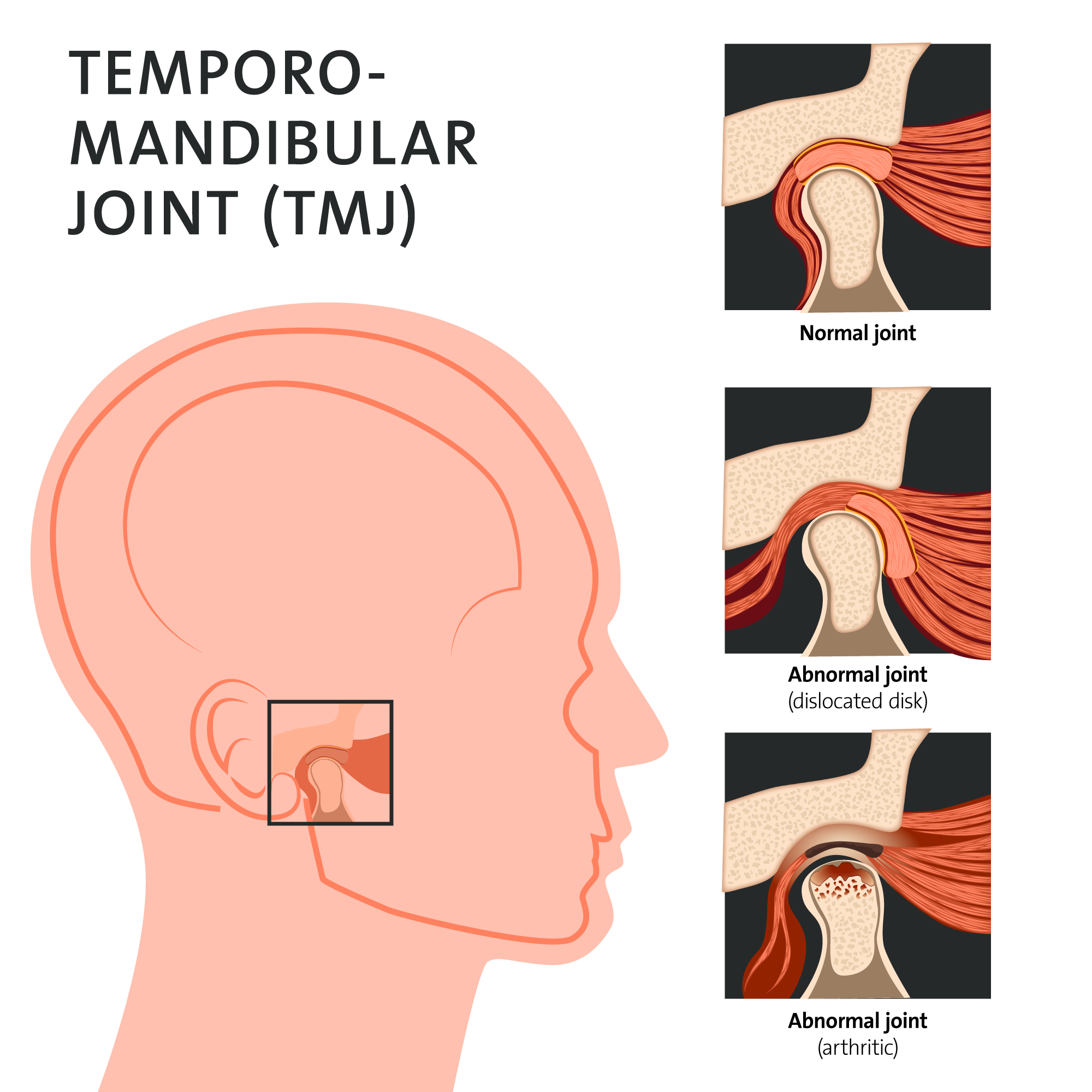
TMD otherwise known as Temperomandibular Disorder is when the Temperomandibular Joint (TMJ) and its surrounding muscles and ligaments are not functioning as they should be.

The exact cause of TMJ disorders is not known, but issues with the joint can arise from:

  • injury to jaw, the joint itself or a heavy blow leading to whiplash affecting muscles of head and neck

  • grinding and clenching teeth - puts a lot of pressure on the TMJ

  • arthritis in the joint

  • stress causing you to tighten facial muscle and jaw to clench teeth

  • orthodontics

TMJ Introduction

Why do I clench my teeth?

Clenching or bruxism can occur for a variety of reasons, some being:

  1. Sleep-disordered breathing - if you have sleep apnea or UARS you tend to not have enough oxygen during sleep, so your body tends to move the mandible (or lower jaw) forward in your sleep to expand airways and increase oxygen intake

  2. Stress - during stressful times, the body tends to exert more force on the teeth and jaw by clenching

  3. Side effect of SSRI medications - anti-depressants and medications like lexapro have a common side effect of increasing the amount of clenching

  4. Stability - clenching the jaw is another way of bringing a sense of ‘stability’ to the body. Postural issues play a role in TMD, so if one shoulder is higher than the other or one hip is higher, the jaw clenches as a way of stabilising itself, which leads to TMJ disorders.

  5. Hypermobility - if you have Ehler-Danlos Syndrome, you may be more hypermobile and have overly relaxed joints. This can cause your temperomandibular joint to dislocate and click/pop

  6. Trauma - whiplash from accidents or injury to head and neck region can cause neck strain which can lead to TMJ dysfunction, TMD.

How do I know if I have TMD/TMJ?

If you have the following symptoms, you may have TMD:

  • Pain or tenderness in face, neck, shoulder, jaw joint, when you speak or eat

  • Having problems opening mouth wide

  • Jaw that gets constantly ‘stuck’ or locked

  • Clicking and popping sounds when you open mouth

  • trouble chewing or uncomfortable teeth resting position

  • vertigo, headaches or migraines

  • dizziness, earaches, ear ringing

  • tired jaw

  • nausea

  • family history of TMJ

  • pain in either jaw joint

  • loss of hearing

  • pain in, around or behind eyes

  • blurry vision

  • hearing grating noises

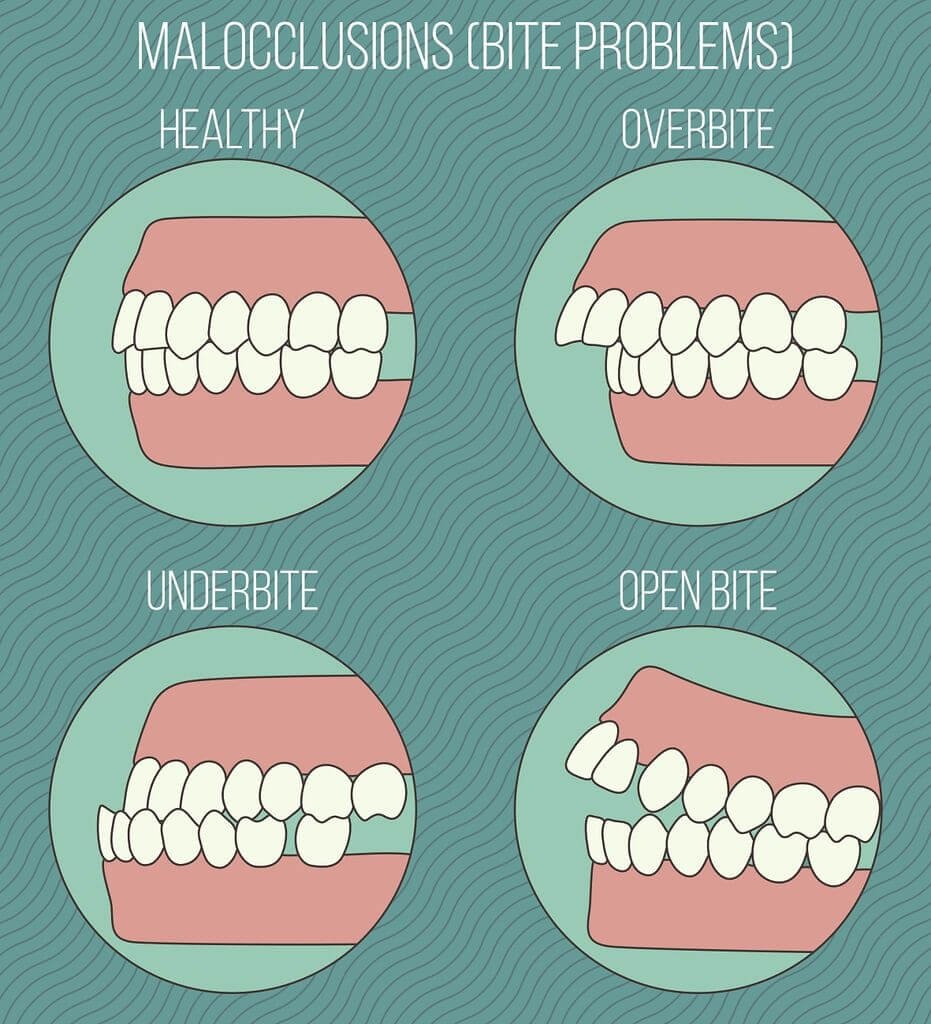
For reference, this is the correct position for your teeth to be in:

Malocclusions (Bite Problems)

Can you treat TMD/TMJ?

TMJ treatment varies from person to person.

Here at Pain Free Dentist Sydney, Dr Lisa Chong specialises in treating TMJ in a 3-dimensional manner to ensure there is the least possible pain present. While others may focus on reducing the pressure on the teeth from clenching, Dr Lisa aims to guide your jaw back to its correct, original position.

Think you have TMJ or want to consult about it? Call us at 02 9558 8988 or email info@painfreedentistsydney.com.au to book your consultation today.


Anxious about dentists? Try Sleep Dentistry

Dr. Chong and a dental nurse supporting a dental anxiety patient, who required Penthrox sedation

What is sleep dentistry?

Sleep dentistry is when patients are administered medication or intravenous sedation to relax them for procedures.

Who should get sleep dentistry?

Patients that are:

  • anxious

  • have low pain tolerance

  • sore gums

  • strong gag reflex

  • complex procedures needed

Are you really asleep with sleep dentistry?

Aside from general anaesthesia, you are actually conscious for most of sleep dentistry!

Level 1: Minimal sedation - fully conscious but more relaxed than usual

Level 2: Moderate sedation - awake but won’t remember most of procedure and speech can be slurred

Level 3: Deep sedation - almost unconscious but can still be awakened

Level 4: General Anaesthesia - fully unconscious, best for complex procedures to be done.

Where can I get sleep dentistry?

At Pain Free Dentist Sydney, we offer penthrox whistle to relax you during your treatment. IV sedation is also a viable option at our clinic.

Interested in getting sleep dentistry? Call us at 02 9558 8988 or email info@painfreedentistsydney.com.au to arrange for it today