Do you have geographic tongue? Are there risks such as cancer or infections?

What is geographic tongue?

Geographic tongue, also called benign migratory glossitis or annulus migrans, is a harmless condition on the surface of the tongue where some patches of the tongue are missing papillae (small pinkish-white bumps that are almost hair-like).
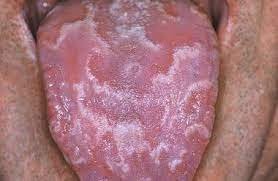
geographic tongue

Symptoms of geographic tongue can include:

  • Smooth red patches that may change size and location

  • Pain on tongue when eating salty or spicy food

  • Sometimes does not have any discomfort other than visual changes on the tongue surface


What causes geographic tongue?

Causes of geographic tongue are mostly unknown as it can occur spontaneously since early childhood and is fairly common. However, some research shows it can be due to several pathological factors such as:

  • Infections

  • Allergies

  • Nutritional deficiency

  • Mouth injuries

  • Autoimmune conditions

  • Psoriasis


Is geographic tongue something to worry about?

Geographic tongue, depending on the severity, may cause some discomfort when patients eat spicy, salty food or drink alcohol. Nonetheless, it does not cause significant health issues.


Can geographic tongue be a symptom of something else such as cancer?

Geographic tongue is a non-cancerous disorder and will not cause cancer, or any other serious infections if you know how to maintain your teeth.

A cancer on the tongue may be more localised to a single area and is often more prominent and easy to see.

A side area of the tongue where cancer is localised mostly, shown as two wide patches and signs of ulceration. the cancer lump may bleed if bitten or touched.

Several tests are required to diagnose tongue cancer. This includes a tongue biopsy to confirm cancer cells. The doctor may order additional tests such as PET Scan, X-rays of mouth and throat such as CT Scan (a type of X-ray showing thin sections or slides of the concerned areas).

Tongue cancer is more common in patients over 40 years old. Treatment of tongue cancer usually involves radiation therapy, chemotherapy, or a combination of both. Surgery may also be advised by the treating doctor if found necessary.

What is candidiasis, glossitis, and oral thrush? How is it related to geographic tongue?

Oral thrush, also called candidiasis, is a mouth infection caused by a yeast fungus. The infection may spread to the tongue, causing a white, fuzzy-like appearance at the inner base. This may resemble geographic tongue physically. However, oral thrush may present with different clinical symptoms.

Many people have candida present in their mouth without experiencing any problems. Causes of oral thrush may include:

  • Poor dental hygiene

  • Diabetes

  • Chronic illness

  • Using immunosuppressants or are immunosuppressed (HIV/AIDS, organ transplant)

  • Cancer and undergoing radiotherapy or chemotherapy

  • Antibiotic use

  • Systemic steroid use

  • Habitual/excessive lip licking

Healthy tongue (left) and oral candidiasis (right)

What are the symptoms of oral thrush?

  • Redness or soreness

  • Cotton-like or fuzzy feeling in the mouth

  • Loss of taste and appetite

  • Pain while eating and swallowing

  • White fuzzy appearance on the surface of the tongue, roof of the mouth and even throat

When to see a doctor?

Because most people with geographic tongues do not have symptoms, they do not need to see a doctor. If you show any symptoms or discomfort, it is usually a sign of flare-ups or oral tongue infection. You would need to book an appointment with your local GP, or your dentist because it may be related to poor dental hygiene.

Numbing gels, local anaesthetics and antibiotics may be prescribed to alleviate the symptoms.

Give us a call at (02) 9558 8988 or via email at info@painfreedentistsydney.com.au if you have any concerns or questions.

Book an appointment with us


When do I need a tooth extraction?

Reasons for Tooth Extractions

Tooth extraction is a dental procedure in which a tooth is removed from its socket in the jawbone. This procedure is typically performed by a dentist or oral surgeon. There are various reasons why a tooth may need to be extracted, including:

  1. Severe Tooth Decay or Damage: If a tooth is extensively decayed or damaged and cannot be restored with a dental filling, crown, or other dental treatment, extraction may be necessary.

  2. Gum Disease: Advanced gum disease (periodontal disease) can lead to the loosening of teeth, and in some cases, extraction is required to prevent the spread of infection or further damage to surrounding tissues.

  3. Impacted Wisdom Teeth: Wisdom teeth, also known as third molars, often emerge in late adolescence or early adulthood. If these teeth do not have enough space to properly emerge or if they are causing pain, infection, or other dental problems, they may need to be extracted.

  4. Orthodontic Reasons: In some cases, tooth extraction may be part of an orthodontic treatment plan to create space for proper teeth alignment.

  5. Crowded Teeth: Extraction may be recommended if there is overcrowding of teeth, and removal of one or more teeth can help create space for the remaining teeth to align properly.

  6. Infection or Abscess: If a tooth becomes infected or if there is an abscess (a pocket of pus) around the tooth, extraction may be necessary to prevent the spread of infection.

The extraction process involves numbing the area around the tooth with a local anesthetic to ensure that the patient does not feel pain during the procedure. In some cases, especially for impacted wisdom teeth or complex extractions, sedation may be used to help the patient relax. Anxious patients can request Penthrox at Pain-Free Dentist Sydney to help manage dental anxiety before the procedure.

After the extraction, patients are usually given post-operative instructions to promote healing and prevent complications. This may include recommendations for pain management, proper oral hygiene, and dietary restrictions. In some cases, a dentist may recommend replacing the extracted tooth with a dental implant, bridge, or denture to restore function and aesthetics.

How do I arrange for a tooth extraction?

To book an extraction appointment or a consultation to see if you need extraction, call us at 02 9558 8988 or email info@painfreedentistsydney.com.au to book an appointment today.

Book an appointment

Dental Implants Planning? Be wary of taking Bisphosphonates

What are bisphosphonates?

Bisphosphonates are a type of medication used to prevent the degradation of your bone mineral density by inhibiting the activity of bone resorption cells (osteoclasts) and promoting new bone mineral formation.

There are various types of Bisphosphonates brands such as risedronate (Actonel), alendronate (Fosamax), ibandronate (Boniva), zoledronic acid (Reclast), and pamidronate (Aredia), which are used to treat and prevent osteoporosis.

How do bisphosphonates affect your teeth?

Bisphosphonates can cause an area of your bone to die (or necrose) and cause the dead bone to be shown through your gum. Similarly, you may have gum recession following bisphosphonate medication. This is exceptionally crucial after your tooth extraction or any type of major surgery.

Rarely, it can happen spontaneously, even if you have not had any mouth surgery. When an area of your jaw bone is affected in this way it is called bisphosphonate-related osteonecrosis of the jaw (BRONJ).

Overusing bisphosphonates medication can lead to osteonecrosis of the jaw, and further damages to the teeth if undergoing dental treatments

What are the side effects of bisphosphonates in the mouth?

  • Sore mouth

  • Itchy throat

  • Flu-like symptoms

  • Bone pain

  • Muscle pain

  • Headaches

  • Photosensitivity

A portion of dying (necrossed) jaw bone and recession of the gum following overuse of bisphosphonates

Is it safe to have dental implants on bisphosphonates?

Generally, it is safe to undergo dental surgery but only with an accurate evaluation by an orthodontist. Rare cases may involve osteonecrosis of the jawbone that has occurred in patients taking oral bisphosphonates.

How long should you stop bisphosphonate before tooth extraction?

Despite limited evidence on the effectiveness of bisphosphonates withdrawal prior to surgical treatments, it is recommended that patients must discontinue use of bisphosphonates or any other anti-resorptive drugs at least 2-3 months prior. All prescribing clinicians should ensure that patients are signposted to visit a dentist before treatment is commenced.


Can I have my teeth cleaned while taking alendronate (Fosamax)?

Alendronate is a type of bisphosphonate that may cause severe bone, muscle, or joint pain, and similarly osteonecrosis. Minor dental treatments are also a risk of exarcerbating osteonecrosis, and hence you should seek an opinion of your orthodontist. Ensure to brush your teeth and clean your mouth properly while you are taking Fosamax to avoid infections and worsening gum conditions.

What should not be taken with bisphosphonates?

The absorption of bisphosphonates can be impacted by the use of calcium and other mineral (such as iron, magnesium) supplements. However, calcium and Vitamin D supplements are effective in preventing osteoporosis and should be prescribed along with bisphosphonates. Patients need to be reminded to take supplements at least 1 hour after taking oral bisphosphonates to ensure maximum efficacy of the treatment.

What medication should you not take before tooth extraction?

Common drugs that should not be taken before tooth extraction include medications that reduce blood clotting or increase the risk of ulcers and venous thrombosis. Such can include:

  • NSAIDs such as aspirin, ibuprofen, celebrex, indocin (anti-coagulative drugs)

  • Blood thinners such as Coumadin, Eliquis, or Xarelto

  • Bisphosphonates

Similarly, many herbal supplements should also need to be avoided. This can include:

  • Ginseng

  • Fish oil

  • Gingko biloba

  • Vitamin E

  • Garlic

As mentioned above, you do not have to discontinue any type of prescription medication, but ensure to discuss with your doctor beforehand to find an alternate solution if you need dental treatments.

Make sure you always have good dental hygiene. We recommend you visit your dentist regularly to prevent gum disease, dental decay that might require dental extractions in the future.

Book an appointment with us