Nasolabial fold and deep smile lines

Deep smile lines are often a natural sign of the skin aging process. The deep smile lines, or called nasolabial folds, are commonly caused by:

  • Due to aging or genetics: Many people are born with deep smile lines or experience rapid aging after childbirth.

  • Lack of collagen: After the age of 25, the amount of collagen in the body gradually decreases, and at this time, the cells lacking collagen to maintain will become dry and wrinkles can start to appear.

  • Repeated facial expressions: The condition of deep smile lines is also partly due to our daily expressions such as crying, laughing, etc.

Aside from natural causes, smile line wrinkles also form due to external reasons such as:

  • Not using sunscreen

  • Dehydration, causing the skin cells to dry out and wrinkles to form

  • Unhealthy lifestyle such as eating spicy, oily foods, using stimulants, smoking, alcohol, or staying up late

How do I get rid of deep smile lines?

Using thread-lifting technology

Thread lifting is a method that uses biocompatible collagen threads implanted in the subdermal layer of the skin, in which the doctor can fill in the smile lines and rejuvenate the face.

One advantage of this method is it provides results that last over 5 years and is extremely gentle on the body.

HA injections or fillers

Another method that brings significant changes for those with deep smile lines is the injection of fillers and HA, which plumps up the skin by enhancing collagen production and drawing water into the wrinkled areas.

In addition to reducing the depth of folds, the overall texture and quality of the skin in the treated area can be improved, helping the patient to stay youthful longer. By injecting HA fillers into strategic areas around the nasolabial folds, a skilled practitioner can create a subtle lifting effect, further reducing the prominence of the folds.

Topical treatments

Some serums and creams containing ingredients such as retinol, vitamin C, hyaluronic acid or glycolic acid can help brighten and minimise wrinkling surfaces. It is important to note that you should always wear sunscreen actively after applying these active ingredients as you would be more likely to become hyperpigmented as your skin is turning over.

HIKO Nose Lift (or PDO thread lift for nose)

A PDO (polydioxanone) nose procedure is a minimally invasive cosmetic procedure designed to alter the shape of the nose without the need for traditional surgical rhinoplasty.

PDO threads are biodegradable sutures that are used in various medical applications. In cosmetic medicine, these threads are utilised by qualified health practitioners to lift, sculpt or add definition to facial features, enhacing shape and removing the sagging skin.

A patient getting PDO thread lift on her cheek areas to remove chin sag.

How does HIKO nose lift work?

Under local anaesthesia, the doctor will insert PDO threads into specific areas of the nose or nasal bridge. The threads can then be pulled to lift the tip of the nose, straighten the nose (such as correcting a deviated nose), or enhance its overall shape.

Before the procedure, a detailed consultation with a certified practitioner would be required to assess the individual’s suitability for the procedure and discuss the desired outcome. The patient can then discuss their desired nose height to allow the practitioner to measure and estimate thread use. Then, the nose and surrounding areas are cleaned, and topical anaesthetic is applied to minimise the discomfort.

The procedure usually takes 30-60 minutes, after which patients can usually return to their daily activities with minimal downtime.

For follow-up appointments, the doctor will guide the patient on how to take care of themselves and schedule the follow-up appointments. The patient will then return home.

How do I care for my nose after HIKO procedure?

1-2 hours after the procedure, you can expect minor bruising or swelling, which will subside in a few days. If the area is not carefully cleaned, you may get an infection, however, this is rare and these risks are significantly lower compared to surgical alternatives.


Advantages of HIKO nose thread lift

  • Higher, more elegant, natural, and beautiful nose in an A shape.

  • The time required is very short, 15 – 60 minutes to own a natural and beautiful nose.

  • Require no surgical interference to minimize the amount of invasion, incision, and pain.

  • Has a reasonable and affordable price.

  • PDO threads for HIKO will dissolve and stimulate the generation of collagen to offer a better cosmetic result.

  • Allow the customers to return to their daily lives immediately without needing any recovery or specific diet.

Disadvantages of HIKO nose thread lift

Although this technique has many great benefits, it also has certain drawbacks:

  • Can only be done for people with relatively high nose-bridge as HIKO cannot lift the entire nose bridge above 3 mm.

  • Offer a short result time. You will need to have a second surgery if you want the nose to maintain its shape.

  • Cannot bring the perfect results like a surgical rhinoplasty.

  • The longevity of the nose thread lift depends greatly on the type of thread involved. This period can last between 6 – 8 months but in the end, HIKO lift is not permanent.


How to choose a trustworthy practitioner for my procedure?

For the procedure to be safest and gives out the best result, you must remember to:


Choose a quality and reputable facility:

This is a must regardless of the types of rhinoplasty that you choose as the ability of the surgeons can affect the success of the procedure greatly.

Choose the correct type of threads:

While cartilage plays an important role in rhinoplasty, the threads are very crucial to the safety of the nose thread lift. For that reason, you must be very careful in choosing the material for your procedure. Ensure to consult your doctor regarding your desired duration and how to choose your desired material. 

How to take care of your nose after the procedure?

  • Maintain thorough nose hygiene by cleaning it regularly with saline.

  • Limit the contact with water for 2 days after the procedure.

  • Stop putting on makeup or washing your face and nose with soap.

  • Sleep lying flat, not sideways.

  • Take prescribed medications as guidance (if any).

  • Attend follow-up appointments as scheduled.

  • Avoid touching, twisting, or scratching the nose.

Lip fillers Sydney - All your need to know about dermal lip fillers

What are lip fillers made of?

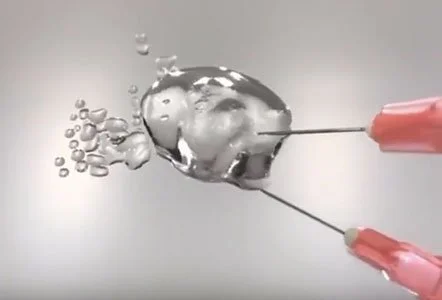
Lip fillers are comprised of biocompatible and temporary materials that would break down after a few months post-injection. The most commonly used ingredient for lip filers is hyaluronic acid (HA), a natural substance found in the body. HA attracts water, which helps to hydrate and volumise the lips. Additionally, due to its ability to be dissolved with an enzyme called hyaluronidase, HA is a popular and safe choice among clients.

Dissolvable HA found in skin and connective tissue of the body

Another ingredient is Poly-L-Lactic-Acid (PLLA), a biodegradable synthetic substance that allows skin cells to stimulate collagen production. PLLA fillers are not used directly on the lips but rather, can enhance the surrounding areas and indirectly augment lip appearance over time.

In certain cases where patients prefer a more pronounced effect on their lips, calcium hydroxylapatite (CaHA) can be used. CaHA is a mineral-like compound naturally found in human bones, which has the effect of stimulating natural collagen, offering longer-lasting results than HA. Hence, it’s typically used in thicker formulations and mainly for deeper lines and wrinkles.

Each ingredient would either add more volume directly or act as a collagen stimulator to enhance the lip appearance. It is best to consult a qualified health practitioner to avoid complications or side effects from different types of fillers.

Risks and Considerations

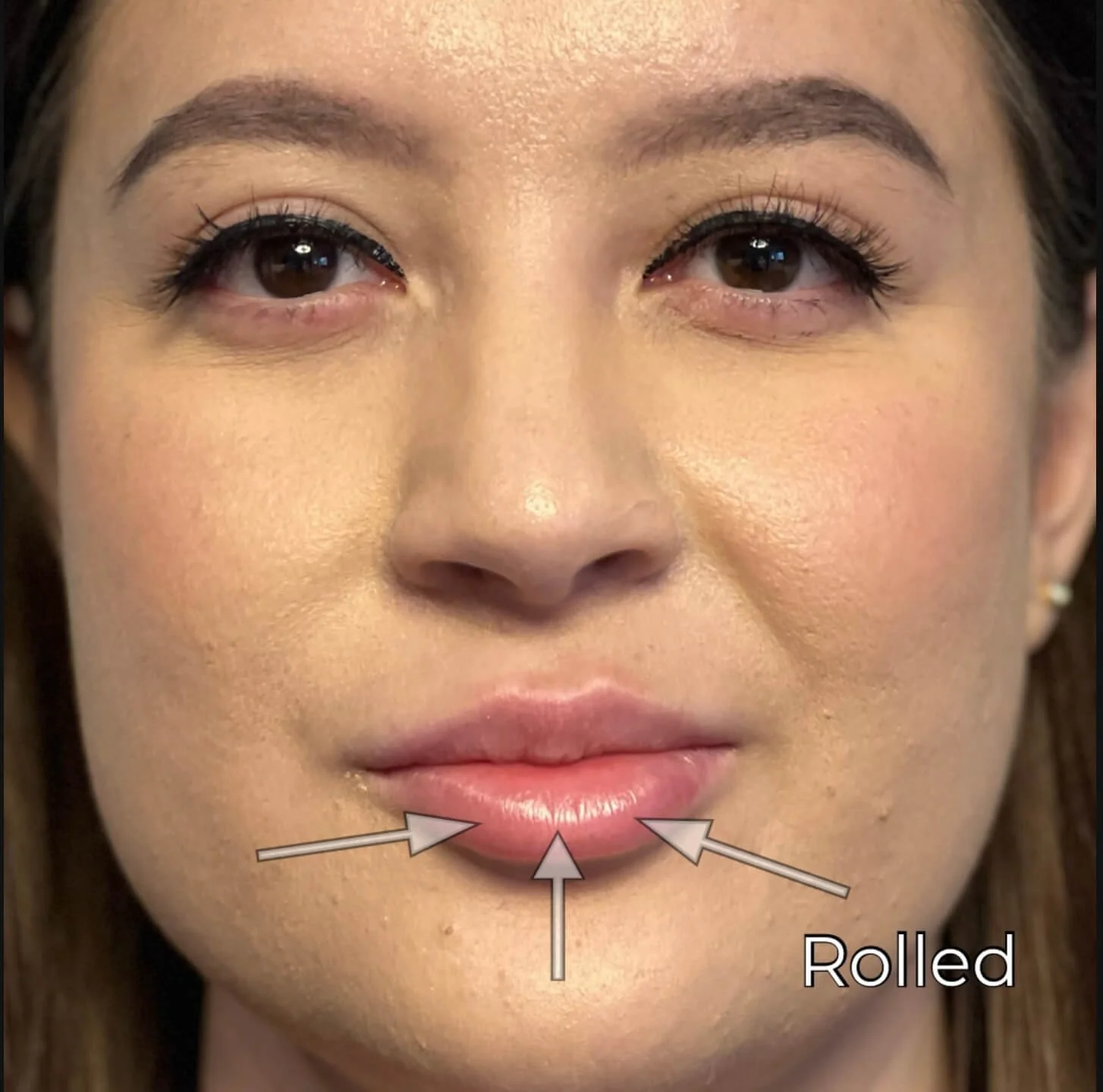
While complications are rare, lip fillers can lead to temporary side effects such as swelling, bruising, or discomfort. In some cases, fillers may migrate or form lumps, which in this case patients can choose to get them dissolved and rebook their appointment.

Lip fillers can potentially migrate, however this can be fixed via enzyme hyaluronidase treatment. However, migrating cases are rare.

Similarly, individuals allergic to certain substances, including components of lip fillers like lidocaine, should avoid treatment. Pregnant or breastfeeding individuals are also advised against undergoing lip filler procedures.

What to expect in your visit?

Lip filler results can be seen immediately; however, it is important to understand that your lips will be swollen, and your lasting results will appear as the swelling goes away. During your procedure, a qualified doctor will observe the shape of your lip and outline how much injecting volume is required. This can also be combined with additional mapping of the desired lip shape and side effects discussions. In your subsequent (complementary) injectables consultation, your doctor will sit down with you to discuss your lip goals and develop a personalised treatment plan for you.

Pre + Post Treatment Care

What should you do before treatment?

For about a week before the treatment, you should avoid cosmetic microneedling, chemical peels and all forms of sun exposure.

A day before your visit, you should avoid any over-the-counter blood-thinning medications or multivitamins that can cause any bruising side effects. Ensure to not take alcohol or smoke before your visit.

What should you do AFTER treatment?

After treatment, we will be providing you with a numbing gel/cream or ice pack if required. Alcohol or oral painkillers should be avoided because of their thinning properties.

You should avoid sleeping with your face to the pillows to prevent lip migration and/or alter in shape.

Should I massage my lips post-treatment?

Your doctor will advise you on how to massage your lips and how often to massage. Sometimes you may be asked not to massage them at all. It is important to follow your doctor’s recommendations as they will be tailored specifically to you and your treatment. If you are unsure when you get home, do not hesitate to phone your doctor or email the practice.

Where to get lip fillers?

At Pain Free Dentist Sydney, we offer hyaluronic acid fillers for facial areas. Dr. Chong, a beauty enthusiast, has over 30 years of expertise in cosmetic dentistry and can perform filler procedures under fully safe conditions.

If you wish to consult about your dental or any cosmetic concerns, please do not hesitate to contact us at 9558 8988. Alternatively, you can reach us via our email info@painfreedentistsydney.com.au.