Understanding TMJ and Tongue Tie: Implications for Oral Health

In the realm of oral health, two common yet often misunderstood conditions are temporomandibular joint (TMJ) disorder and tongue tie. These issues can have far-reaching implications beyond the mouth, affecting everything from jaw comfort to speech and beyond. Let’s delve into what these conditions entail and how they can impact your overall well-being.

What is TMJ Disorder?

The temporomandibular joint (TMJ) acts like a hinge connecting your jawbone to your skull. TMJ disorder refers to a range of conditions that cause pain and dysfunction in this joint and the muscles that control jaw movement. Symptoms can include jaw pain, clicking or popping sounds, difficulty chewing, and even headaches or earaches.

TMJ Disorder and Its Effects

TMJ disorder can have several implications for oral health and beyond. Chronic jaw pain and discomfort can make it challenging to eat certain foods, leading to dietary limitations. It may also contribute to teeth grinding (bruxism), which can result in tooth wear and even cracked teeth. Additionally, TMJ issues can cause referred pain in surrounding areas like the face, neck, and shoulders, impacting overall quality of life.

Understanding Tongue Tie

Tongue tie, or ankyloglossia, is a condition present from birth where the lingual frenulum (the piece of tissue that connects the tongue to the floor of the mouth) is unusually short or tight. This restricts the tongue's range of motion.

Implications of Tongue Tie

Tongue tie can affect oral function in various ways. It may lead to difficulties with breastfeeding in infants due to limited tongue movement. In older children and adults, it can contribute to challenges with speech articulation, swallowing difficulties, and even dental issues such as a higher risk of developing cavities or gum disease.

The Connection Between TMJ and Tongue Tie

The posture of the tongue and the way it functions within the mouth can influence jaw alignment and muscle tension. Individuals with tongue tie may compensate by adopting less than ideal resting tongue posture, potentially contributing to TMJ issues.

Treatment and Management

Both TMJ disorder and tongue tie can benefit from early diagnosis and appropriate treatment. TMJ treatment may involve lifestyle changes, stress management, and splint therapy. For tongue tie, a frenectomy (surgical release of the frenulum) may be recommended to improve tongue mobility and function.

For more information on TMJ disorder, tongue tie, and other dental health topics, feel free to reach out to our dental practice at 9558 8988 or email us at info@painfreedntistsydney.com.au.

Your Guide to Post-Wisdom Teeth Extraction Care

So, you've just had your wisdom teeth removed—now what? First off, congratulations on taking this important step towards better oral health! We understand that recovery can feel a bit daunting, but we've got you covered with some essential post-extraction care tips to ensure a smooth healing process.

1. Take It Easy

After your procedure, it's crucial to give yourself plenty of rest. Avoid any strenuous activities for at least the first 24 hours. Resting will help your body focus on healing.

2. Manage Pain

Some discomfort and swelling are normal after wisdom tooth extraction. Take prescribed pain medications as directed by your dentist. Applying an ice pack to the outside of your cheek in intervals can also help reduce swelling and numb the area.

3. Keep It Clean

Gentle care is key. Follow these tips for oral hygiene:

  • Do not rinse or spit forcefully on the first day.

  • After the first day, rinse your mouth gently with warm salt water several times a day.

  • Avoid brushing near the extraction site but continue brushing and flossing your other teeth carefully.

4. Watch Your Diet

Stick to soft foods like yogurt, mashed potatoes, smoothies, and soups for the first few days. Avoid crunchy, chewy, or spicy foods that could irritate the extraction site. As you heal, gradually reintroduce solid foods into your diet.

5. Control Bleeding

Some oozing of blood is normal. If bleeding persists, bite down gently on a clean gauze pad placed over the extraction site for about 30 minutes. Avoid excessive spitting, which can prolong bleeding.

6. Say No to Straws

Avoid using straws for drinking during your recovery period. The sucking motion can dislodge the blood clot that forms in the extraction site, leading to a painful condition called dry socket.

7. Follow Up

Attend any scheduled follow-up appointments with your dentist or oral surgeon. They will monitor your healing progress and address any concerns you may have.

8. Stay Hydrated

Drink plenty of fluids to stay hydrated.

9. Watch for Warning Signs

Contact your dentist if you experience severe pain, excessive bleeding, fever, or any other unusual symptoms.

Remember, every individual's recovery process is unique. If you have any questions or concerns, don't hesitate to reach out to your dental care provider.

By following these post-wisdom teeth extraction care instructions diligently, you'll be on your way to a speedy recovery and back to enjoying your favorite foods in no time!

For more dental tips and insights, feel free to browse our blog or contact our friendly team at Pain Free Dentist Sydney. Your smile is our priority!

The Non-surgical Anti-aging Face and Nose Thread Lift

The Non-surgical Anti-aging Face and Nose Thread Lift

In recent years, minimally invasive procedures have surged in popularity for those who want to look younger or elevate their beauty. Those non-surgical techniques can help people avoid the downtime associated with traditional surgery.

Among these innovative techniques, the use of (polydioxanone) PDO thread (medical-grade dissolvable sutures) has become a leading option for individuals aiming to enhance their facial features, including a higher nose, and tightened skin, subtly and effectively.


Hiko Nose Thread Lift

The HIKO nose lift, often referred to as a "non-surgical nose job," achieve a more defined nasal profile without the need for invasive surgery by using PDO thread. This technique is particularly popular in Asian countries and is gaining traction worldwide due to its simplicity and impressive results.

How Can HIKO Nose Lift Help Shape Your Nose

  • A straighter nasal profile

  • A more regular nose bridge and tip

  • A sharper nose tip

  • A higher nose bridge

  • A slimmer nose

Procedure Overview

  • Technique: The procedure involves the insertion of PDO threads into the nasal bridge and tip via fine needles. These threads are strategically placed to reshape the nose by lifting the bridge or tip, depending on the desired outcome.

  • Duration and Anesthesia: Local Anaesthetics will be applied and the procedure usually takes 30-60 minutes.

  • Recovery Time: Usually patients can go back to their normal life routine within 1-2 hours after the procedure. You may expect minor swelling and bruising that subsides within a week

  • How long does the effect lasts: You can expect to notice improvements from your Hiko thread lift immediately on the same day. The results will progressively get better over the next few days. The effects should persist for at least 12 months and may last up to two years.


PDO Face Thread Lift

The PDO thread lift for the face is another minimally invasive technique that lifts and tightens sagging skin tissue using threads made from polydioxanone. This procedure not only provides immediate lifting but also natural and long-lasting results.

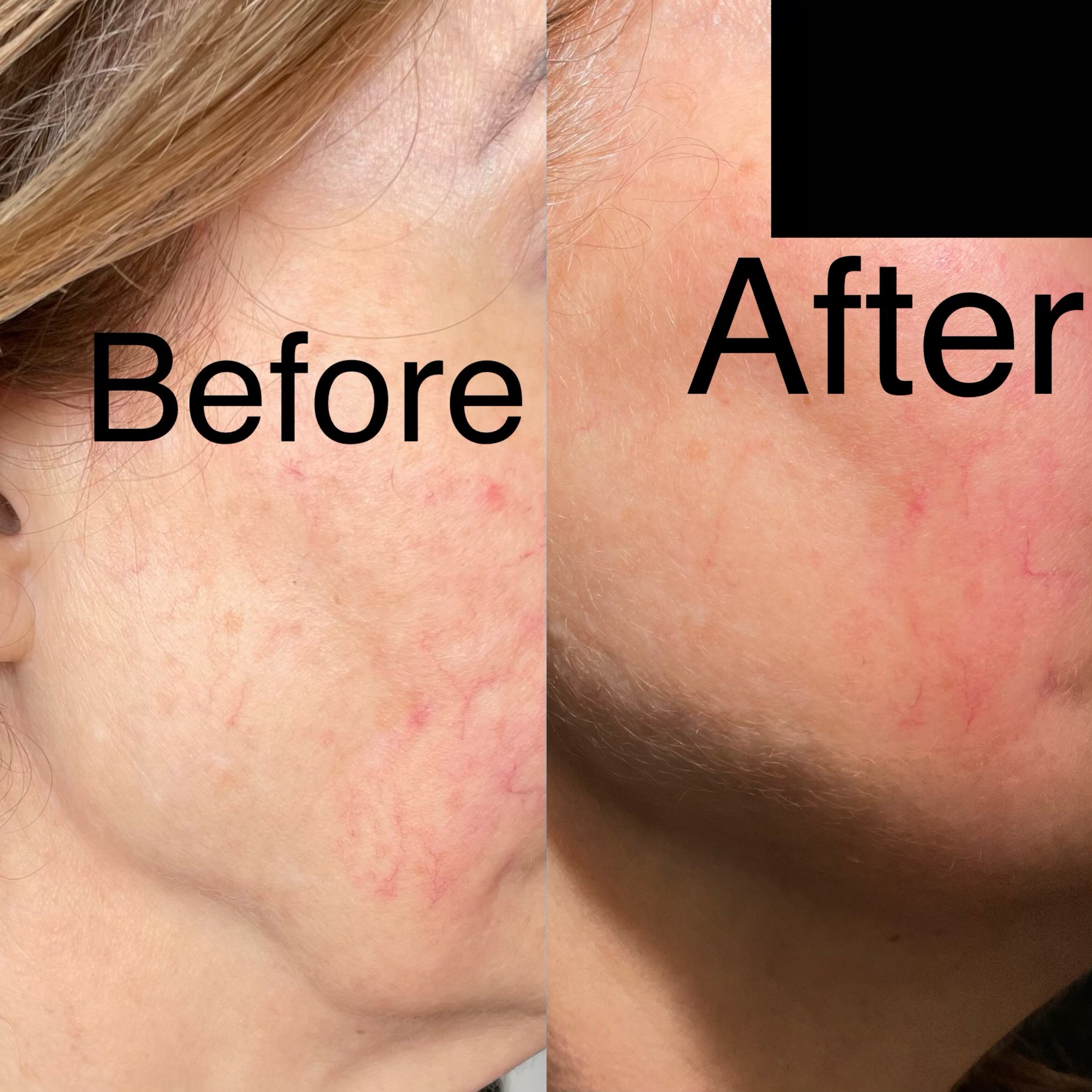
From our real patient

What Are the Effects of PDO Face Thread Lift

  • Immediate Lifting of Sagging Skin: The threads provide an immediate lift to the skin, especially noticeable in areas like the cheeks, jowls, and neck

  • Reduction of Fine Lines and Wrinkles: As collagen levels increase, the skin becomes firmer and smoother, reducing the appearance of fine lines and wrinkles.

  • Tightening and Firming of the Skin: The lifting effect and enhanced collagen production result in tighter and firmer skin, providing an overall more youthful appearance.

  • Improved Facial Contours: By repositioning the skin, the thread lift can enhance facial contours, such as the jawline and cheekbones.

  • Increased Collagen Production: PDO threads stimulate natural collagen production, which helps to improve the skin’s texture and elasticity over time.


Procedure Overview

  • Technique: The treatment involves inserting fine PDO threads under the skin using small needles. These threads create a supportive mesh that lifts sagging skin and stimulates collagen synthesis.

  • Duration and Anesthesia: Like the HIKO nose lift, this procedure is quick, taking about 30 to 60 minutes under local anesthesia.

  • Recovery Time: Recovery from a PDO thread lift is minimal. You may have some swelling and bruising for the first 24 to 48 hours, but you can return to most of your daily routines right away.

  • How long does the effect last: The PDO thread lift led to instant enhancements in skin tightening right after the procedure. A significant reduction in these effects may be observed 6 months later.


At Pain Free Dentist, we offer limited special offers for both HIKO Nose Thread Lift and PDO Face Thread lift. All procedures will be conducted by Dr Chong who has over 25 years of experience.

Call Call (02) 9558 8988 or email us at info@painfreedentistsydney.com.au to make an appointment.