Sleep Apnoea and Its Relationship with Dental Health

Sleep apnoea is a common sleep disorder where breathing repeatedly stops and starts during sleep. While it primarily affects breathing and overall health, it also has significant dental connections. At Pain Free Dentist Sydney, we help patients understand the link between sleep apnoea and oral health, and provide solutions that support both.

How Sleep Apnoea Affects Dental Health

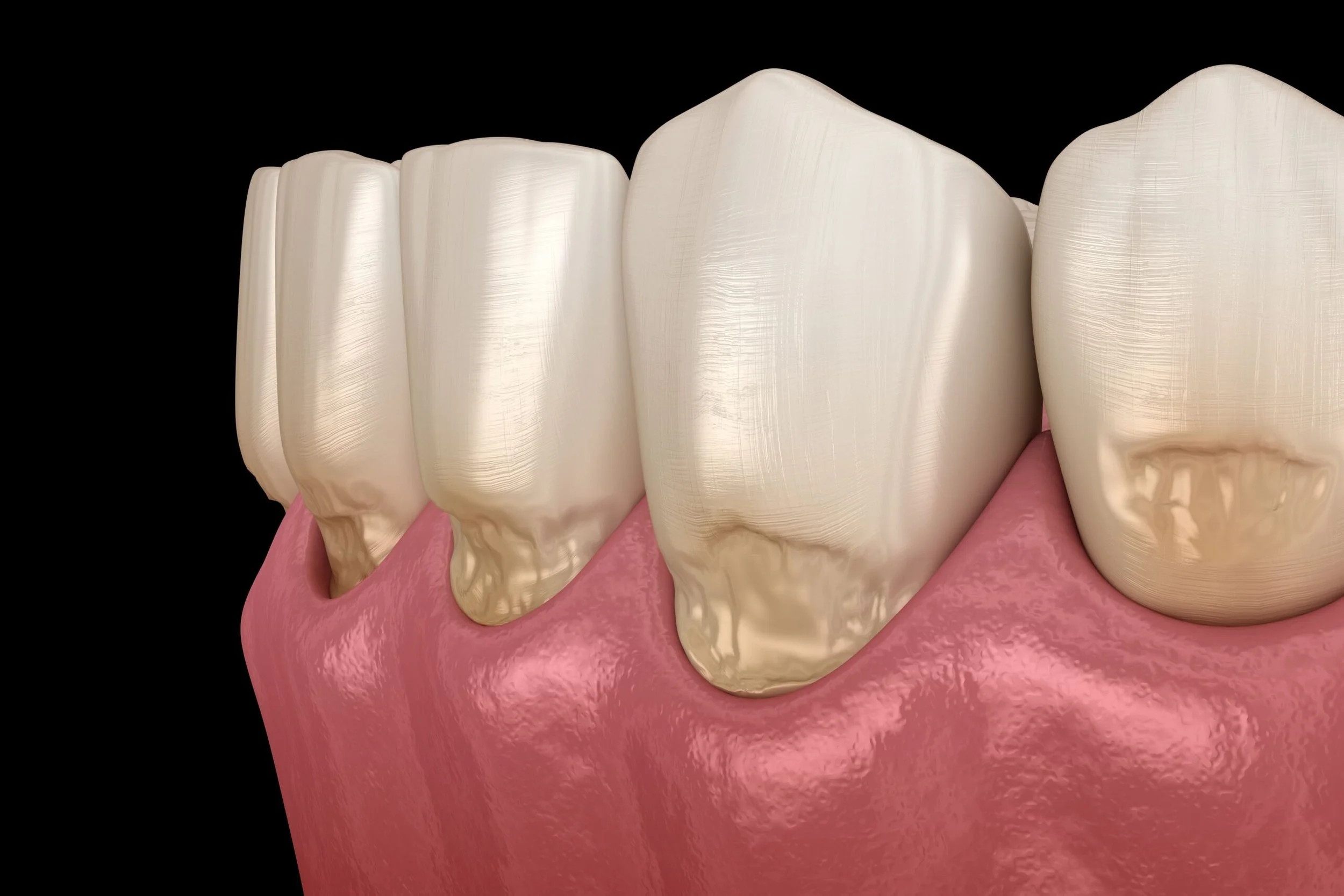
  • Teeth grinding (bruxism) – many people with sleep apnoea grind or clench their teeth at night, causing enamel wear, sensitivity, and jaw pain.

  • Dry mouth – reduced airflow or mouth breathing during sleep can lead to dry mouth, increasing the risk of cavities and gum disease.

  • Temporomandibular joint (TMJ) issues – chronic grinding or clenching can contribute to jaw pain, clicking, and headaches.

How Dentists Can Help

  • Custom oral appliances – dentists can fit mandibular advancement devices that help keep the airway open during sleep.

  • Monitoring dental wear – treating bruxism early prevents severe tooth damage.

  • Collaboration with sleep specialists – dentists often work with doctors to manage obstructive sleep apnoea effectively.

Benefits of Addressing Sleep Apnoea with Dental Care

  • Reduces teeth grinding and jaw pain

  • Lowers risk of cavities and gum disease from dry mouth

  • Improves overall sleep quality and daytime alertness

  • Supports better general health, including heart and brain function

At Pain Free Dentist Sydney, we provide personalised, gentle dental solutions for patients with sleep apnoea to protect their teeth and improve their quality of life.

📞 Call us at 02 9558 8988
📧 Email: info@painfreedentistsydney.com.au
💻 Book online: painfreedentistsydney.com.au

Had a Dental Injury While Working? Here’s What to Do and How to Claim Workers’ Compensation

Dental injuries at work can happen to anyone, whether it’s from a slip, a fall, or an accident involving equipment. If you’ve sustained a dental injury while working, it’s important to know how to act quickly and claim workers’ compensation to cover medical treatment and lost wages.

Step 1: Seek Immediate Medical Attention

  • See a dentist or medical professional as soon as possible.

  • Keep all records of treatment, X-rays, and prescriptions, which are essential for your claim.

Step 2: Report the Injury to Your Employer

  • Notify your employer immediately about the incident.

  • Complete a workplace injury report detailing how, when, and where the injury occurred.

Step 3: Submit a Workers’ Compensation Claim

  • Contact your employer’s workers’ compensation insurer.

  • Provide documentation including medical records and incident reports.

  • Follow up to ensure the claim is processed promptly.

Step 4: Recovery and Rehabilitation

  • Attend all dental or medical appointments recommended for healing.

  • Follow any rehabilitation or treatment plans to ensure full recovery.

  • Keep a record of all expenses and time off work.

Step 5: Prevent Future Injuries

  • Be mindful of workplace safety practices.

  • Use protective equipment when necessary.

  • Report hazards to your employer to help prevent similar accidents.

Dental injuries at work can be serious, but knowing what to do and how to claim workers’ compensation ensures proper care, financial support, and peace of mind.

📞 Call us at 02 9558 8988
📧 Email: info@painfreedentistsydney.com.au
💻 Book online: painfreedentistsydney.com.au

How Bad Teeth Affect Your Heart Health

Your oral health is closely linked to your heart and overall health. Poor dental hygiene, untreated gum disease, or decayed teeth can increase the risk of heart disease and other cardiovascular problems. At Pain Free Dentist Sydney, we emphasise preventive dental care to protect both your smile and your heart.

How Poor Oral Health Impacts the Heart

  • Gum disease and inflammation – bacteria from infected gums can enter the bloodstream, causing inflammation that affects arteries.

  • Endocarditis risk – bacteria from the mouth can infect the inner lining of the heart in vulnerable individuals.

  • Atherosclerosis – chronic oral infections may contribute to plaque buildup in arteries, increasing heart attack risk.

Common Signs of Oral Issues That Affect Heart Health

  • Bleeding or swollen gums

  • Persistent bad breath

  • Tooth decay or cavities

  • Loose or shifting teeth

Protecting Your Heart Through Oral Care

  • Maintain regular dental check-ups and cleanings

  • Treat cavities and gum disease promptly

  • Practice good oral hygiene daily

  • Avoid smoking and reduce sugar intake

At Pain Free Dentist Sydney, we provide gentle, pain-free dental care to prevent oral infections and support your overall health, including heart health.

📞 Call us at 02 9558 8988
📧 Email: info@painfreedentistsydney.com.au
💻 Book online: painfreedentistsydney.com.au