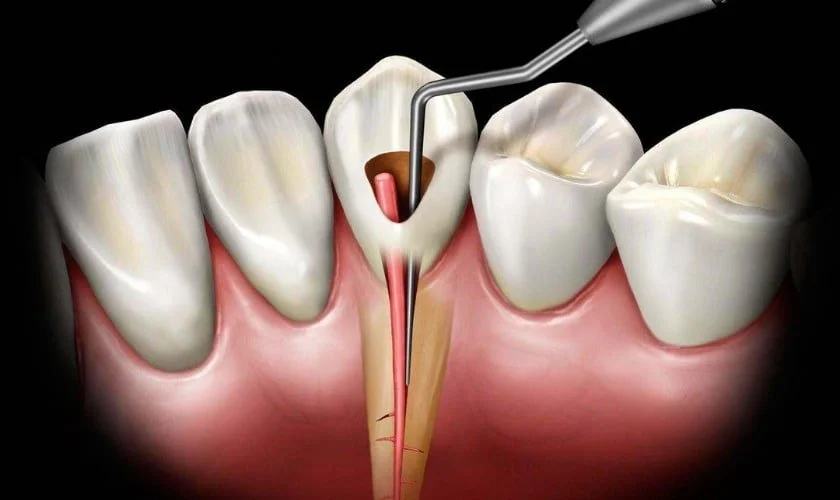
Gum Esthetics in Anterior Dental Implants: Why the Papilla Matters

When patients think about dental implants, they often focus on the crown—the part of the tooth they see. But in the anterior esthetic zone, the gums play an equally important role. Without healthy gum architecture and papilla (the small triangular gum peaks between teeth), even the best implant crowns can look artificial.

Why Gum Esthetics Are Crucial

  • Papilla gaps = “black triangles” that make implants obvious.

  • Symmetry of the gum line enhances the natural look of anterior teeth.

  • Healthy soft tissue improves long-term stability and prevents recession.

How Dentists Preserve and Shape the Papilla

  1. Careful Implant Positioning – Placing implants too close or too far apart can damage gum support and compromise papilla formation.

  2. Bone & Soft Tissue Grafting – Augmentation procedures provide the foundation for strong, healthy gum tissue.

  3. Custom Healing Abutments – Designed to shape the gum tissue as it heals.

  4. Provisional Restorations – Temporary crowns sculpt the gum line before final placement.

The Result: Implants That Truly Disappear in the Smile

When gum esthetics and papilla preservation are prioritized, anterior dental implants blend seamlessly with natural teeth, creating a smile that’s both beautiful and functional.

📞 Call us at (02) 9558 8988
📧 Email: info@painfreedentistsydney.com.au
🌐 Book online: https://painfreedentistsydney.com.au/
The Art of the Smile Line: How Dental Implants Restore Harmony in the Front Teeth

When you smile, the first thing people notice is the smile line—the natural curve of your upper teeth that follows the contour of your lower lip. For patients missing or replacing multiple anterior teeth, designing implants around this smile line is one of the most important steps for a natural and confident look.

What Is the Smile Line and Why Is It Important?

The smile line frames your teeth and gums, creating balance and symmetry. If dental implants in the anterior region don’t align with this natural curve, the smile can appear uneven or artificial—even if the teeth themselves look great.

Designing Implants Around the Smile Line

  • Precise Tooth Lengths – The central incisors should be slightly longer than laterals to reflect natural anatomy.

  • Proportion & Golden Ratio – Proper width-to-length ratios ensure the implants blend seamlessly with surrounding teeth.

  • Gum Contour – Healthy, symmetrical gums that follow the smile curve are just as important as the teeth themselves.

  • Custom Temporary Restorations – Provisional crowns allow the dentist to sculpt gum tissue to match the smile line before the final crown is placed.

Why Implant Esthetics in the Front Teeth Is So Complex

The anterior maxilla has thinner bone and less soft tissue than the back of the mouth, making esthetic management more challenging. This often requires advanced procedures such as bone grafting, connective tissue grafting, or the use of custom abutments to ensure the smile line looks natural.

The Result: Confidence in Every Smile

By designing implants around the patient’s unique smile line, dentists can restore not only teeth but also harmony, proportion, and beauty. The outcome is a smile that looks natural from every angle and enhances overall facial aesthetics.

📞 Call us today at (02) 9558 8988
📧 Email: info@painfreedentistsydney.com.au
🌐 Book online: https://painfreedentistsydney.com.au/
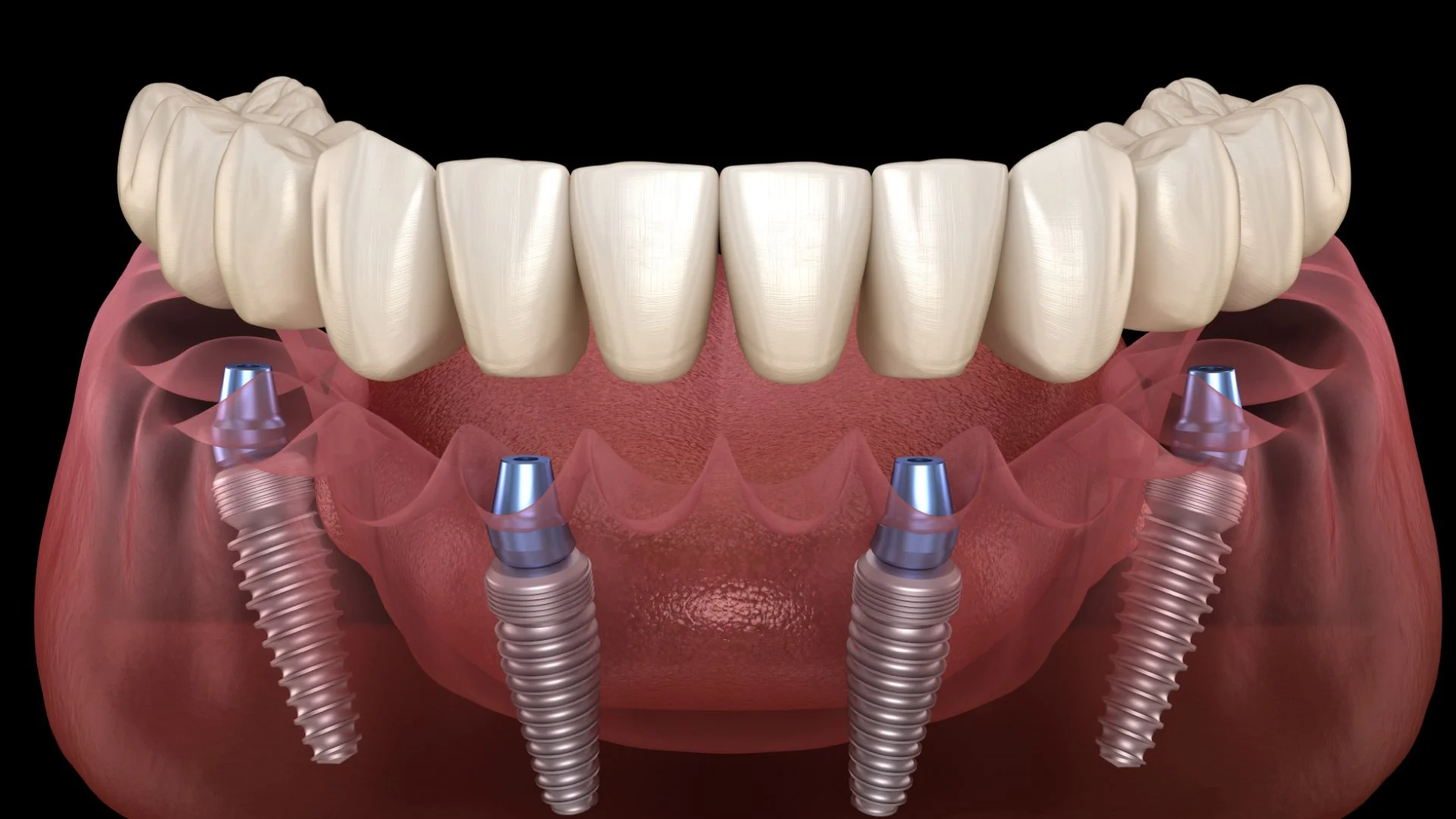
Planning Multiple Dental Implants in the Anterior Teeth: Why Esthetics Must Come First

When it comes to replacing missing front teeth, dental implants offer the most natural-looking and functional solution. However, planning multiple anterior dental implants requires a unique approach compared to implant placement in the back teeth. In the smile zone, esthetics is just as important as function. A well-designed treatment plan prioritizes the gums, bone support, and tooth proportions to ensure a natural, confident smile.

Why Esthetics Matter Most in Anterior Implant Cases

Unlike posterior implants, which are largely hidden when smiling, anterior implants are immediately visible. Any misalignment, unnatural gum contour, or asymmetry can compromise the patient’s confidence. Successful anterior implant treatment must replicate:

  • Natural tooth shape and color

  • Symmetrical gum line architecture

  • Proper spacing and emergence profile

  • Harmonious alignment with adjacent teeth

Without careful planning, even perfectly integrated implants can appear artificial if the esthetic details are overlooked.

Key Steps for Achieving Optimal Esthetic Outcomes

1. Comprehensive Treatment Planning

Before surgery, a digital smile design and 3D imaging help visualize the final outcome. Cone-beam CT scans (CBCT) allow precise mapping of bone levels, root positions, and available space for implant placement.

2. Preserving and Augmenting Bone & Soft Tissue

The anterior maxilla is prone to bone resorption after tooth loss. Guided bone regeneration, soft tissue grafting, or ridge preservation may be required to create a stable and esthetically pleasing foundation for implants.

3. Implant Positioning

Implants must be placed with millimeter precision. Too deep, and the gum line looks unnatural. Too shallow, and the implant crown may appear elongated. Proper angulation ensures the emergence profile mirrors that of natural teeth.

4. Customized Abutments & Provisional Restorations

Custom abutments and temporary crowns allow for sculpting the gum tissues during healing. This step is crucial in shaping papillae (the small gum peaks between teeth) for a seamless transition between implants and natural teeth.

5. Material Selection for Natural Esthetics

Using zirconia or layered ceramic crowns provides translucency that mimics natural enamel. Matching shade and contour to surrounding teeth ensures the restoration blends perfectly.

The Role of Interdisciplinary Collaboration

Achieving ideal esthetics in anterior implants often requires a multidisciplinary team approach, involving prosthodontists, oral surgeons, and periodontists. Collaboration ensures both functional stability and cosmetic harmony are achieved.

Conclusion

Planning multiple dental implants in the anterior region is not just about replacing teeth—it’s about restoring confidence, symmetry, and beauty to a smile. By prioritizing esthetics alongside function, patients can enjoy long-lasting, natural results that feel and look like their own teeth.

📞 Call us now at (02) 9558 8988
📧 Email: info@painfreedentistsydney.com.au
🌐 Book online: https://painfreedentistsydney.com.au/