Dental IV Sedation: What to Expect, Benefits, and Safety

Introduction

For many people, visiting the dentist can bring feelings of anxiety or fear. Whether it’s due to past experiences, sensitive teeth, or simply dental phobia, these emotions can prevent patients from getting the care they need. Dental IV sedation offers a safe and effective solution to make dental procedures more comfortable and stress-free.

In this blog, we’ll explain what dental IV sedation is, how it works, its benefits, and what you can expect during and after the procedure.

What Is Dental IV Sedation?

IV sedation in dentistry involves administering medication through an intravenous line, which helps patients enter a deeply relaxed state during dental treatment. Unlike general anesthesia, you remain conscious and able to respond to instructions, but you’ll feel calm, drowsy, and may have little to no memory of the procedure.

Commonly used for:

  • Wisdom tooth extraction

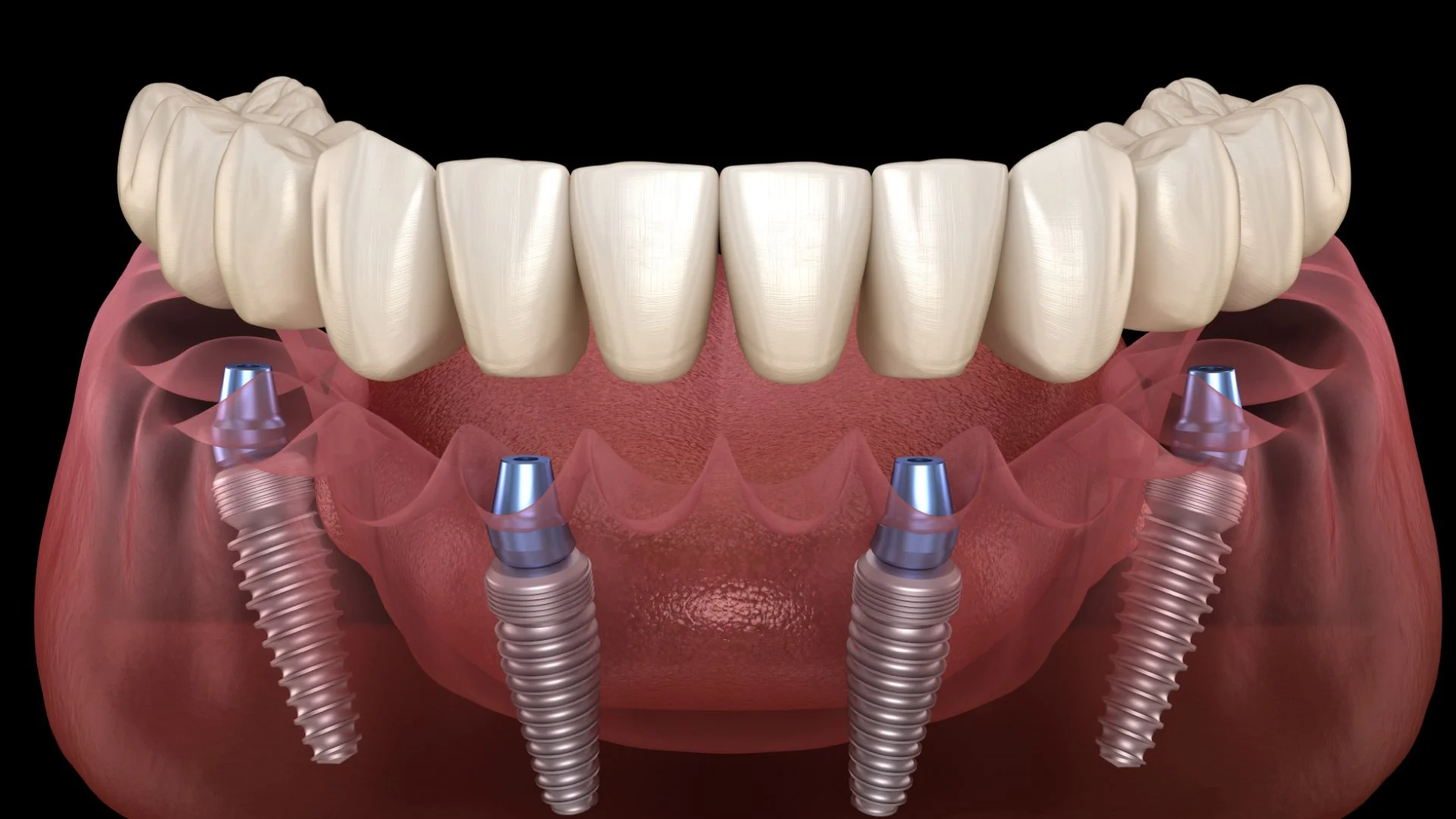
  • Dental implants

  • Multiple fillings in one visit

  • Patients with severe dental anxiety

Benefits of IV Sedation Dentistry

  1. Deep Relaxation – Anxiety and fear are greatly reduced.

  2. Time Efficiency – Dentists can complete more work in a single visit.

  3. Minimal Memory – Most patients don’t remember the procedure afterward.

  4. Quick Onset – Works faster than oral sedation.

  5. Safe and Monitored – Vital signs are carefully tracked throughout the procedure.

Is IV Sedation Safe?

Yes. IV sedation is considered safe when administered by a qualified dentist or anesthesiologist. Before the procedure, your medical history is reviewed, and your vital signs (blood pressure, heart rate, oxygen levels) are continuously monitored.

However, IV sedation may not be suitable for everyone, especially those with certain health conditions. Always consult your dentist for personalized advice.

What to Expect During the Procedure

  1. Preparation: An IV line is inserted into your arm or hand.

  2. Sedation Begins: The medication takes effect within minutes, making you feel drowsy.

  3. Treatment: Your dentist performs the procedure while you stay relaxed.

  4. Recovery: After the procedure, you’ll need someone to drive you home, as the effects take a few hours to wear off.

Aftercare Tips

  • Rest for the remainder of the day.

  • Avoid operating heavy machinery or making important decisions.

  • Stay hydrated and eat light foods once you feel ready.

  • Follow your dentist’s post-procedure instructions.

Dental IV Sedation vs. Other Sedation Options

  • Nitrous Oxide (Laughing Gas): Mild, wears off quickly, best for minor anxiety.

  • Oral Sedation (Pills): Easy to take, but slower onset and less predictable.

  • IV Sedation: Stronger, faster, more controlled, ideal for lengthy or complex treatments.

Final Thoughts

If dental anxiety has been keeping you from achieving a healthy, confident smile, IV sedation dentistry may be the solution. It combines comfort, safety, and efficiency, making even the most complex dental procedures stress-free.

Cracked Molars from Teeth Grinding: Causes, Symptoms & Treatments

Do you wake up with jaw pain, headaches, or sensitive teeth? You may be grinding your teeth at night without even realising it. Over time, this condition—known as bruxism—can cause serious dental damage, including cracked molars.

At Pain Free Dentist Sydney, we help patients protect their teeth and restore damaged smiles with gentle, effective treatments.

How Teeth Grinding Damages Molars

When you grind or clench your teeth (often during sleep), the constant pressure can:

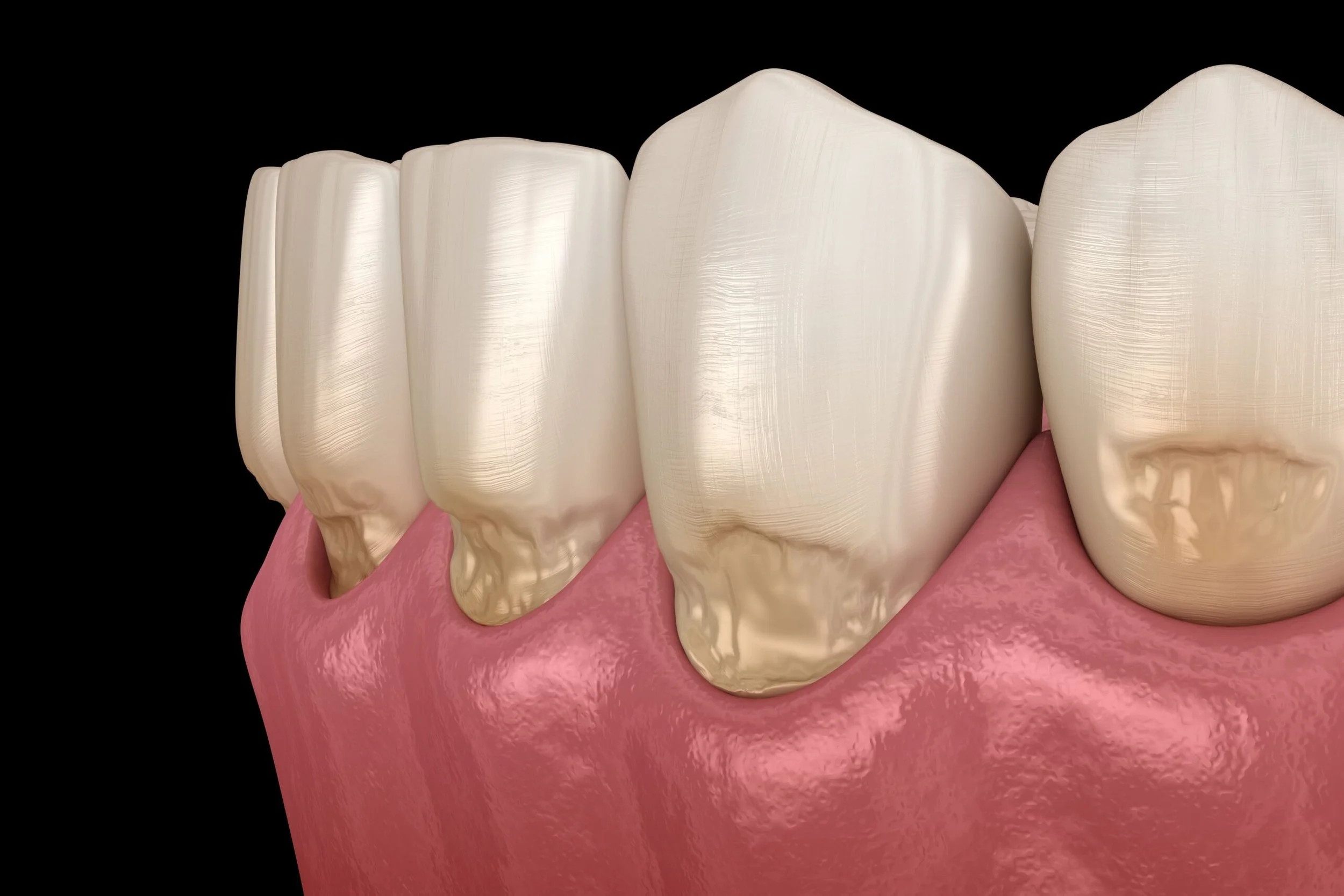
  • Wear down enamel

  • Cause cracks or fractures in molars

  • Lead to jaw joint issues (TMJ disorder)

  • Increase tooth sensitivity or pain

Since molars take the brunt of chewing forces, they are the most vulnerable to cracking from grinding.

Symptoms of Cracked Molars

Not all cracks are visible. Signs you may have a cracked tooth include:

  • Sharp pain when chewing or biting

  • Sensitivity to hot, cold, or sweet foods

  • Pain that comes and goes

  • Swelling around the affected tooth

  • A visible line or fracture in the tooth (in severe cases)

Treatments for Cracked Molars

Treatment depends on the severity of the crack:

  • Dental bonding – repairs minor cracks and restores appearance

  • Dental crown – protects and strengthens weakened molars

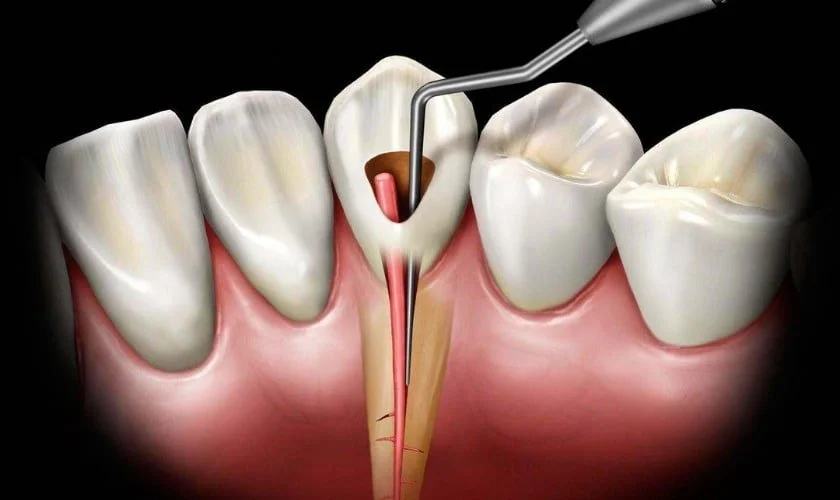
  • Root canal therapy – if the crack has reached the tooth’s nerve

  • Extraction and replacement – in cases where the tooth is beyond saving, options include dental implants or bridges

Preventing Further Damage from Teeth Grinding

Stopping grinding is key to protecting your teeth long-term. At Pain Free Dentist Sydney, we may recommend:

  • Custom night guards – to protect teeth while sleeping

  • Stress management techniques – since stress often worsens grinding

  • Botox for bruxism – relaxes overactive jaw muscles and reduces grinding forces

  • Regular dental checkups – to catch early signs of wear before cracks worsen

Book Your Bruxism & Cracked Tooth Consultation

If you suspect you’ve cracked a molar or suffer from teeth grinding, don’t ignore it—early treatment prevents more serious problems. At Pain Free Dentist Sydney, we provide gentle, tailored solutions to restore comfort and protect your smile.

📍 Visit us online: Book Now
📞 Call us on 9558 8988
📧 Email: info@painfreedentistsydney.com.au

Protect your teeth today for a stronger, healthier smile tomorrow.

Broken Tooth in an Accident? Here’s What to Do | Pain Free Dentist Sydney

A sudden accident, fall, or sports injury can leave you with a broken or chipped tooth. Not only is it painful, but it can also affect your ability to eat, speak, and smile confidently. At Pain Free Dentist Sydney, we provide fast, effective treatments for dental emergencies, including broken teeth.

What Causes a Broken Tooth?

A tooth can break due to:

  • Accidents and falls

  • Sports injuries

  • Biting down on something hard

  • Tooth decay or weakened enamel

  • Previous dental work (like large fillings) becoming unstable

Types of Broken Teeth

Not all tooth breaks are the same. Common types include:

  • Chipped tooth – minor enamel damage, usually cosmetic

  • Cracked tooth – a split that can extend into the root

  • Broken cusp – part of the chewing surface breaks off

  • Severe fracture – exposes the inner pulp, causing pain

  • Knocked-out tooth – the entire tooth is dislodged

What To Do If You Break a Tooth

  1. Rinse your mouth with warm water to clean the area.

  2. Apply a cold compress to reduce swelling.

  3. Save any broken pieces of the tooth if possible.

  4. Call your dentist immediately – broken teeth need urgent care.

Treatments for a Broken Tooth

At Pain Free Dentist Sydney, treatment depends on the extent of the damage:

  • Dental bonding – for minor chips or cracks

  • Dental veneers – for cosmetic repair of front teeth

  • Dental crowns – to restore strength and function

  • Root canal therapy – if the pulp (nerve) is exposed or infected

  • Dental implant or bridge – if the tooth cannot be saved

Why Immediate Treatment Matters

Delaying treatment for a broken tooth can lead to:

  • Infection

  • Worsening pain

  • Further damage to surrounding teeth

  • Permanent tooth loss

Emergency Dental Care at Pain Free Dentist Sydney

We understand that accidents happen when you least expect them. That’s why we offer emergency dental appointments to relieve pain quickly and restore your smile. Our gentle approach ensures your treatment is as stress-free as possible.

Book Your Emergency Appointment Now

If you’ve broken a tooth in an accident, don’t wait. Contact Pain Free Dentist Sydney right away for prompt, professional care.

📍 Visit us online: Book Now
📞 Call us on 9558 8988
📧 Email: info@painfreedentistsydney.com.au

We’ll help you save your tooth and your smile.