Understanding TMJ Disorders
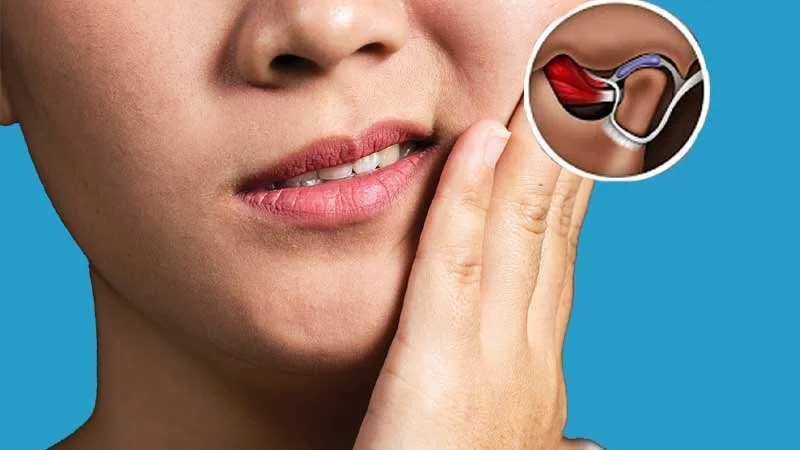
The temporomandibular joint (TMJ) connects your jaw to your skull, enabling chewing, speaking, and yawning. TMJ disorders can cause:
Chronic jaw pain or stiffness
Headaches and facial discomfort
Teeth grinding (bruxism)
Difficulty opening or closing the jaw
For many patients, splint therapy is an effective non-surgical solution to manage these symptoms.
What is Splint Therapy?
Splint therapy involves wearing a custom-made dental appliance that fits over the teeth to:
Reduce muscle tension: Relieves stress on overactive jaw muscles.
Protect teeth: Prevents damage from grinding or clenching.
Improve jaw alignment: Helps correct bite issues contributing to TMJ pain.
Promote healing: Supports joint rest and reduces inflammation.
Splints are usually worn at night, though some patients may benefit from daytime use depending on their condition.
Types of Splints
Stabilization Splints (Night Guards):
Worn over upper or lower teeth
Reduces clenching and grinding
Relieves jaw muscle tension
Repositioning Splints:
Adjusts jaw position to relieve joint stress
Often used temporarily under professional supervision
Soft vs. Hard Splints:
Soft: More comfortable, suitable for mild bruxism
Hard: Durable, provides stronger support for severe TMJ cases
Benefits of Splint Therapy
Reduces jaw pain and stiffness
Minimizes teeth grinding and dental damage
Improves TMJ function and jaw mobility
Decreases headaches and facial discomfort
Non-invasive and reversible treatment
Who Should Consider Splint Therapy?
Splint therapy is ideal for TMJ patients experiencing:
Chronic jaw or facial pain
Teeth grinding or clenching
Headaches related to jaw tension
Difficulty opening or closing the jaw
TMJ dysfunction not fully relieved by medication
Contact Pain Free Dentists Sydney
If you suffer from TMJ pain, teeth grinding, or jaw stiffness, splint therapy can help restore comfort and function.
Call (02) 9558 8988, email info@painfreedentistsydney.com.au, or book online to schedule a consultation.