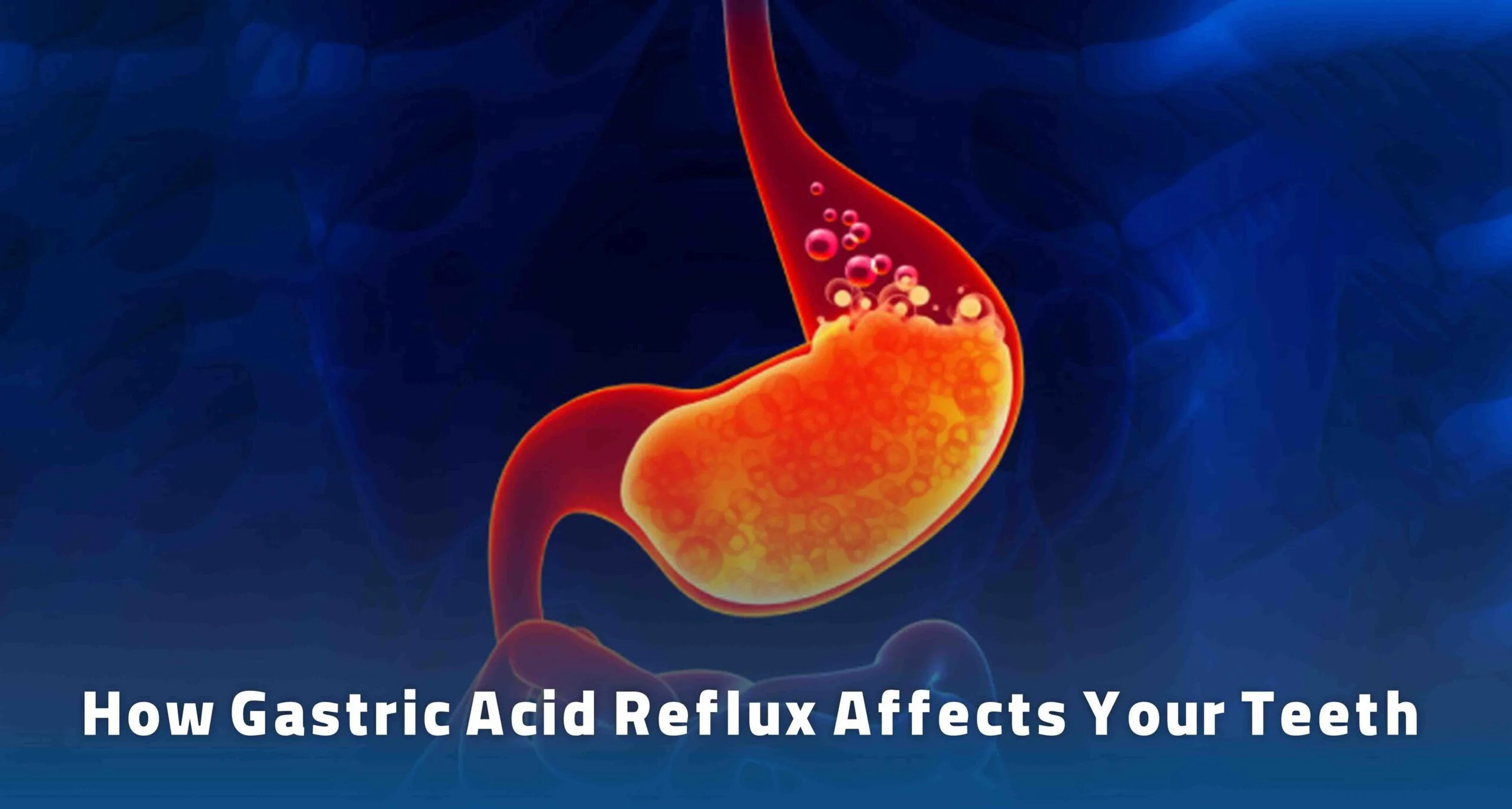
Acid reflux, also known as gastroesophageal reflux disease (GERD), occurs when stomach acid flows back into the esophagus. While many people associate it with heartburn or indigestion, acid reflux can also have a significant impact on your oral health.
Understanding the connection between acid reflux and oral health is crucial for preventing long-term dental damage.
How Acid Reflux Affects Your Teeth and Gums
Stomach acid is highly corrosive. When it enters the mouth, it can erode tooth enamel, irritate gums, and cause a variety of dental problems.
1. Tooth Enamel Erosion
Acid reflux exposes teeth to stomach acids, which gradually wear down the enamel. Symptoms include:
Increased tooth sensitivity
Yellowing teeth
Chipping or cracking
Once enamel is lost, it cannot regenerate naturally, making teeth more vulnerable to decay.
2. Increased Risk of Cavities
Weakened enamel makes teeth more susceptible to cavities. Acidic conditions in the mouth can allow bacteria to thrive, accelerating decay.
3. Gum Irritation and Inflammation
Stomach acid can irritate soft tissues in the mouth, leading to inflamed, tender, or bleeding gums.
4. Bad Breath
Chronic acid reflux can contribute to persistent bad breath, as stomach acids and regurgitated material create an unpleasant oral environment.
Symptoms to Watch For
If you experience acid reflux and notice the following oral signs, consult a dentist promptly:
Tooth sensitivity to hot, cold, or sweet foods
Visible enamel erosion or yellowing
Persistent bad breath
Sore, inflamed, or receding gums
Early detection can prevent irreversible dental damage.
How to Protect Your Oral Health from Acid Reflux
1. Maintain Good Oral Hygiene
Brush twice daily with a soft-bristled toothbrush
Use fluoride toothpaste to strengthen enamel
Floss daily to prevent gum disease
2. Rinse After Reflux Episodes
Rinse your mouth with water or a fluoride mouthwash after reflux to neutralize acids. Avoid brushing immediately after an episode, as enamel is softened and can be damaged by brushing.
3. Dietary Adjustments
Limit foods and drinks that trigger reflux:
Spicy or fatty foods
Coffee and alcohol
Carbonated beverages
Eating smaller meals and avoiding lying down after eating can also help.
4. Regular Dental Checkups
Routine visits allow dentists to detect early enamel erosion, cavities, or gum issues caused by acid reflux.
5. Medical Management
Work with your doctor to manage acid reflux through lifestyle changes, medications, or other treatments.
Final Thoughts: Don’t Let Acid Reflux Harm Your Smile
Acid reflux is more than just heartburn; it’s a serious threat to oral health. Tooth erosion, sensitivity, gum inflammation, and bad breath are just a few of the potential complications.
By maintaining excellent oral hygiene, rinsing after reflux, and seeking regular dental care, you can protect your teeth and gums from the damaging effects of acid reflux.
Protect your smile today.
Call 9558 8988, email info@painfreedentistsydney.com.au, or book online for a dental checkup and personalized advice on managing oral health with acid reflux.