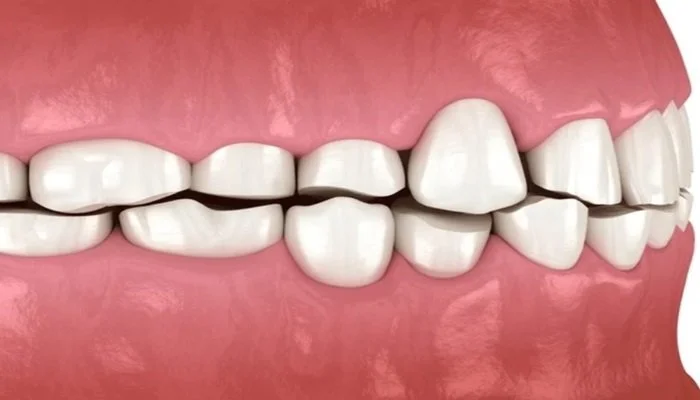
Bruxism, commonly known as teeth grinding or jaw clenching, can range from mild to severe. While occasional grinding may go unnoticed, severe bruxism can have significant consequences for your oral and overall health, including the development of chronic pain.
Understanding the link between severe bruxism and chronic pain is essential for early intervention and effective treatment.
How Severe Bruxism Leads to Chronic Pain
Teeth grinding and clenching place tremendous stress on the jaw muscles, temporomandibular joint (TMJ), and surrounding structures. Over time, this can result in:
Jaw muscle fatigue and tension
TMJ disorders causing pain, clicking, or limited movement
Headaches and migraines triggered by muscle strain
Neck and shoulder pain from associated muscular tension
Facial pain and sensitivity due to overworked muscles
Chronic exposure to this strain can create a cycle of pain that affects daily life and sleep quality.
Signs of Severe Bruxism
Common symptoms include:
Worn, flattened, or chipped teeth
Tooth sensitivity or pain
Jaw stiffness or soreness, especially in the morning
Frequent headaches or earaches
Muscle tenderness in the face, neck, or shoulders
Sleep disturbances for yourself or your partner
Early recognition of these symptoms is critical to prevent long-term damage.
Managing Chronic Pain Caused by Bruxism
1. Dental Appliances
Night guards protect teeth from grinding damage
Reduce jaw strain and alleviate muscle pain
2. Stress Management
Relaxation techniques, meditation, and therapy help reduce stress-induced grinding
3. TMJ Therapy
Physiotherapy, exercises, and in some cases, Botox injections can relieve chronic muscle tension
4. Medication and Pain Management
Over-the-counter or prescribed pain relievers may be used temporarily
Muscle relaxants for severe cases under professional supervision
5. Lifestyle Adjustments
Limit caffeine and alcohol
Improve sleep hygiene
Maintain good posture to reduce neck and jaw strain
Why Early Intervention Matters
Ignoring severe bruxism can lead to irreversible dental damage, persistent pain, and reduced quality of life. Timely treatment can:
Prevent tooth loss and enamel erosion
Reduce TMJ strain and chronic pain
Improve sleep quality and overall wellbeing
Final Thoughts: Break the Cycle of Pain
Severe bruxism is more than a dental concern — it is closely linked to chronic pain in the jaw, head, and neck. By seeking early diagnosis and combining dental, medical, and lifestyle interventions, patients can protect their teeth and significantly reduce chronic pain.
Protect your teeth and relieve chronic pain today.
Call 9558 8988, email info@painfreedentistsydney.com.au, or book online for a consultation and personalized treatment plan for severe bruxism and chronic pain.