
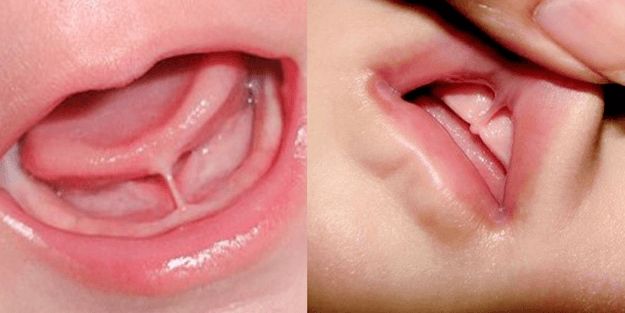
Many parents expect feeding their newborn to be instinctive and peaceful. But for some families, feeding becomes a stressful cycle of fussing, poor sleep, colic, and constant worry. Often, parents are told, “It’s just colic,” or “Some babies are bad sleepers.” Yet one commonly overlooked contributor is a tongue tie, also known medically as ankyloglossia.
Tongue ties don’t just affect feeding. They can influence sleep, digestion, nervous system regulation, development, and even how babies cope after birth. Understanding this connection can be transformative for families struggling to find answers.
What Is a Tongue Tie?
A tongue tie occurs when the lingual frenulum—the small band of tissue under the tongue—is unusually tight, thick, or restrictive. This limits the tongue’s mobility.
The tongue plays a crucial role in:
Breastfeeding and bottle feeding
Swallowing and digestion
Airway stability and breathing
Oral and facial development
Nervous system regulation
When tongue movement is restricted, these systems can be affected in subtle but significant ways.
Feeding Difficulties: Often the First Sign
Feeding is the most obvious area where tongue ties show up.
Babies with tongue ties may:
Struggle to latch deeply
Slip off the breast or bottle
Make clicking sounds while feeding
Feed frequently but seem unsatisfied
Take in excess air
Tire easily during feeds
For breastfeeding mothers, this can cause:
Painful nipples
Damage or cracking
Low milk supply (due to poor stimulation)
Mastitis or blocked ducts
For bottle-fed babies, symptoms can include prolonged feeding times, dribbling milk, or fussiness.
But feeding difficulties are only part of the picture.
The Link Between Tongue Tie and Colic
Many babies diagnosed with “colic” may actually be experiencing feeding-related discomfort caused by oral restrictions.
When the tongue cannot move properly, babies often swallow excess air during feeding. This can lead to:
Gas and bloating
Abdominal discomfort
Frequent crying spells
Arching the back
Difficulty settling
The digestive system of a newborn is immature, and inefficient feeding adds extra stress.
What looks like colic may actually be a mechanical feeding issue.
Sleep Disruption and Nervous System Stress
Sleep and feeding are deeply connected.
Babies with tongue ties often experience:
Frequent night waking
Short naps
Difficulty settling
Restless sleep
There are several reasons for this:
1. Hunger from inefficient feeding
If babies cannot transfer milk effectively, they wake more often to compensate.
2. Airway instability
The tongue helps maintain airway openness. Restriction may affect breathing efficiency, especially during sleep.
3. Nervous system activation
Struggling to feed is stressful. This can keep babies in a heightened state of alertness, making deep sleep harder.
Sleep disruption is not always a behavioral issue—it may be physiological.
The Connection to Traumatic or Difficult Birth
Birth is a significant physical event for babies.
Assisted or difficult births may include:
Forceps or vacuum delivery
Caesarean birth
Long or fast labor
Shoulder dystocia
Positioning challenges
These experiences can contribute to:
Tension in the neck, jaw, and tongue
Compensatory muscle patterns
Feeding coordination difficulties
Sometimes, tongue ties coexist with body tension and oral motor dysfunction, amplifying feeding and regulation challenges.
This is why many professionals recommend a whole-body approach, not just focusing on the frenulum itself.
Developmental and Long-Term Considerations
The tongue plays a central role in oral and facial development.
Untreated tongue ties may contribute to:
Delayed oral motor skills
Speech articulation challenges (later in childhood)
Mouth breathing
Poor oral posture
Narrow palate development
Feeding challenges with solids
Not every tongue tie causes long-term problems—but early identification allows families to make informed decisions.
Why Tongue Ties Are Sometimes Missed
Tongue ties vary widely in appearance and severity.
Some are obvious. Others are subtle and hidden.
Many babies are told:
“It’s normal.”
“They’ll grow out of it.”
“It’s just colic.”
“It’s reflux.”
“It’s a sleep issue.”
But these symptoms may share a common root.
Assessment requires looking not just at anatomy—but at function.
A Whole-Baby Perspective
Tongue ties are not just about a small piece of tissue. They can affect the baby’s entire system.
A comprehensive approach may involve:
Lactation support
Feeding assessment
Oral function evaluation
Bodywork (such as pediatric physiotherapy, osteopathy, or similar therapies)
Sleep and nervous system support
Every baby is unique, and care should be individualized.
Signs Parents May Notice
Parents often report:
Feeding struggles
Clicking sounds while feeding
Poor weight gain or very frequent feeding
Colic symptoms
Restless sleep
Difficulty settling
Preference for one side
Gassiness
Trusting parental instinct is important. Parents often sense when something isn’t right.
Hope and Support
For families experiencing feeding and sleep challenges, discovering a tongue tie can provide clarity.
With appropriate support, many babies experience:
Improved feeding
Better sleep
Reduced colic symptoms
Greater comfort and regulation
Improved parent confidence
Early support can make a profound difference—not just for feeding, but for the baby’s overall wellbeing.
Final Thoughts
Babies are not meant to struggle constantly with feeding, sleep, and discomfort. When they do, it is worth exploring underlying causes.
Tongue ties are one possible piece of the puzzle—often overlooked, yet deeply connected to feeding, sleep, digestion, nervous system regulation, and development.
Understanding the whole picture allows families to move from frustration and exhaustion toward clarity, support, and calmer early months.
If your baby is having any of the problems above, it is advised to visit a dentist for a tongue tie release consultation. Contact us at (02) 9558 8988 or visit www.painfreedentistsydney.com.au to book your appointment today!