Introduction
Many people think of heartburn or acid reflux as just uncomfortable digestive issues—but they can have a serious impact on your teeth. The stomach acid that flows back into the mouth during gastroesophageal reflux disease (GERD) or other gut problems can erode enamel, cause sensitivity, and increase cavities. Understanding this connection is key to protecting your dental health.
How Acid Reflux Affects Teeth
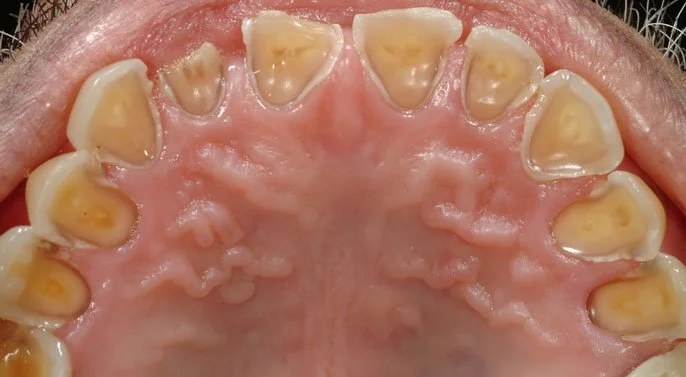
When stomach acid repeatedly enters the mouth, it can wear away the protective enamel on your teeth. This can lead to:
Tooth erosion: Enamel thinning and yellowing
Sensitivity: Discomfort to hot, cold, or sweet foods
Cavities: Higher risk of decay due to enamel loss
Cracks and chips: Weakened teeth become more prone to damage
Even mild acid reflux, if frequent, can have long-term dental consequences.
Other Gut Issues That Can Impact Dental Health
Beyond acid reflux, other digestive issues can indirectly affect teeth:
Frequent vomiting (as in bulimia or severe morning sickness): Exposes teeth to stomach acid repeatedly.
GERD and Hiatal Hernia: Cause acid exposure even while sleeping.
Crohn’s Disease or Ulcerative Colitis: Can cause dry mouth and nutrient deficiencies affecting enamel strength.
Signs Your Teeth May Be Affected
Watch for these warning signs:
Yellowing or thinning enamel
Rounded or shiny edges on teeth
Increased tooth sensitivity
Persistent bad breath
Small cracks or chips in teeth
If you notice any of these, consult a dentist as soon as possible to prevent irreversible damage.
Prevention and Treatment
See a Dentist Regularly: Early detection prevents severe damage.
Rinse After Acid Exposure: Use water or a fluoride mouth rinse—avoid brushing immediately after reflux as enamel is softened.
Fluoride Treatments: Strengthen enamel and prevent erosion.
Diet Modifications: Reduce acidic foods and beverages.
Manage Acid Reflux: Work with a doctor to control GERD, medications, or lifestyle changes.
Dental Restorations: In severe cases, veneers or crowns may be needed to repair damaged teeth.
Conclusion
Your gut health and dental health are more connected than you might think. Acid reflux, GERD, and other digestive issues can silently damage teeth over time, leading to sensitivity, cavities, and erosion. Regular dental checkups, proper oral hygiene, and managing underlying gut issues are essential to preserving a healthy, confident smile.
Call-to-Action:
If you have acid reflux or frequent digestive issues, schedule a dental evaluation today. Protect your teeth before damage becomes permanent.