
Introduction
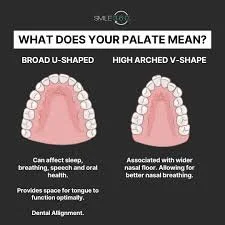
A narrow palate, also known as a constricted or high-arched palate, is more than a dental concern—it can affect your entire body. While it may seem like a minor orthodontic issue, a narrow palate can influence your breathing, sleep patterns, jaw alignment, and even facial appearance. Recognizing the signs early can prevent long-term complications and improve overall quality of life.
What is a Narrow Palate?
The palate is the roof of the mouth, separating the oral and nasal cavities. A narrow palate occurs when the width of the upper jaw is reduced, causing the dental arch to be constricted. This can lead to crowded teeth, bite problems, and aesthetic concerns.
Common signs include:
Crowded or crooked teeth
Crossbite or misaligned bite
Difficulty chewing
Mouth breathing
Speech difficulties
How a Narrow Palate Affects Dental Health
A narrow palate can create uneven pressure on teeth, leading to:
Tooth misalignment and overcrowding
Increased risk of cavities due to hard-to-clean areas
Gum issues from improper bite patterns
Orthodontic treatments like expanders can widen the palate, reducing these risks and improving oral hygiene.
Impact on Breathing and Sleep
A constricted upper jaw can reduce nasal airflow, forcing mouth breathing. This can contribute to:
Snoring and sleep apnea
Poor oxygen intake during sleep
Chronic fatigue and reduced concentration
Correcting a narrow palate can enhance nasal breathing and improve sleep quality, boosting overall health.
Speech and Facial Development Concerns
The shape of your palate affects your tongue placement, which is crucial for clear speech. A narrow palate may lead to:
Lisp or speech delays in children
Facial asymmetry or a longer facial profile
TMJ (temporomandibular joint) discomfort
Early intervention can promote balanced facial growth and proper speech development.
Causes of a Narrow Palate
Several factors can contribute to a narrow palate:
Genetics – inherited jaw structure
Childhood habits – thumb sucking, prolonged pacifier use
Mouth breathing – often due to allergies or nasal obstruction
Premature loss of baby teeth
Conservative Treatment Options
Myofunctional Therapy – Exercises to improve tongue posture and breathing.
Why Early Intervention Matters
Addressing a narrow palate in childhood can prevent serious complications in adulthood, including:
Sleep apnea and breathing issues
Severe dental crowding requiring extractions
Facial asymmetry and jaw misalignment
Conclusion
A narrow palate is more than a cosmetic dental issue—it affects your teeth, breathing, sleep, speech, and overall quality of life. If you notice signs of a narrow palate in yourself or your child, consulting an orthodontist or pediatric dentist can provide solutions that improve health and confidence for years to come.
Call-to-Action:
Schedule a consultation with a trusted orthodontist to evaluate your palate and explore treatment options. Early action can change your life—literally from the inside out.