What Is Bruxism?
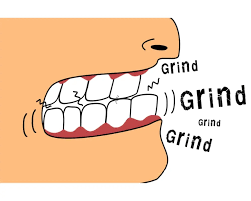
Bruxism is the involuntary grinding or clenching of teeth, often occurring during sleep (sleep bruxism) or while awake (awake bruxism). It can damage teeth, cause jaw pain, and affect overall oral health.
Patients in Sydney commonly seek treatment for bruxism after noticing worn teeth, headaches, or jaw discomfort.
Causes of Bruxism
Stress and Anxiety
Emotional stress can trigger jaw clenching, often during sleep.
Sleep Disorders
Sleep apnea and other sleep disturbances increase grinding risk.
Abnormal Bite or Misaligned Teeth
Uneven teeth can force the jaw muscles to overwork.
Medications & Stimulants
Certain antidepressants, caffeine, and nicotine may worsen bruxism.
Lifestyle Factors
Alcohol use and recreational drugs may contribute.
Signs and Symptoms
Worn, chipped, or cracked teeth
Morning jaw pain or stiffness
Headaches, earaches, or neck pain
Tooth sensitivity
Jaw clicking or popping
Sleep disturbance for self or partner
Early recognition is key to preventing permanent dental damage.
Effects of Untreated Bruxism
1. Tooth Damage
Chipped, cracked, or flattened teeth
Increased sensitivity
Higher risk of decay and dental restorations
2. Jaw and TMJ Problems
Muscle fatigue and pain
Temporomandibular joint (TMJ) disorders
Difficulty opening or closing the mouth
3. Sleep Disturbances
Disrupted sleep quality for both patient and partner
Daytime fatigue
4. Headaches & Facial Pain
Chronic tension headaches
Pain radiating to ears, neck, and shoulders
Diagnosis and Treatment
Diagnosis
Clinical dental examination
Bite analysis
Sleep study if sleep bruxism is suspected
Treatment Options
Night guards or splints to protect teeth
Stress management (meditation, therapy)
Botox for severe jaw muscle tension
Bite correction or orthodontics
Lifestyle modifications (reduce caffeine/alcohol)
Preventing Bruxism
Manage stress with exercise or mindfulness
Avoid stimulants in the evening
Wear a custom night guard
Regular dental check-ups for early detection
Final Thoughts
Bruxism may seem harmless at first, but untreated teeth grinding can lead to serious dental, jaw, and sleep issues. Early intervention, stress management, and protective devices can save teeth, relieve jaw pain, and improve overall quality of life.