Don’t Start Bisphosphonates Without This Important Dental Step
Many patients focus on protecting their bones when starting osteoporosis or cancer treatment. But what most people don’t realise is that your jawbone may be at risk if dental problems are not treated first.
A simple dental check-up before beginning bisphosphonate therapy can prevent serious and long-term complications.
What Are Bisphosphonates and Why Do They Matter for Your Teeth?
Bisphosphonates are powerful medications used to strengthen bones and reduce fractures. They are commonly prescribed for osteoporosis and certain cancers.
While they improve bone strength in the body, they can reduce the jawbone’s ability to heal. This is because the jaw constantly faces bacteria from food and saliva, making it more vulnerable to infection.
The Silent Condition Many Patients Have: Hidden Dental Infections
Many dental problems do not cause pain at first. Patients may have:
Early gum disease
Hidden tooth infections
Bone loss around teeth
Failing fillings or crowns
Cracks or decay
These issues can suddenly become serious once bisphosphonate therapy begins.
Why the Jaw Is Different from Other Bones
Unlike the hip or spine, the jawbone:
Heals faster under normal conditions
Has a high blood supply
Is exposed to daily bacteria
Is affected by chewing forces
Bisphosphonates slow this healing process. If a tooth needs removal later, the bone may not recover properly.
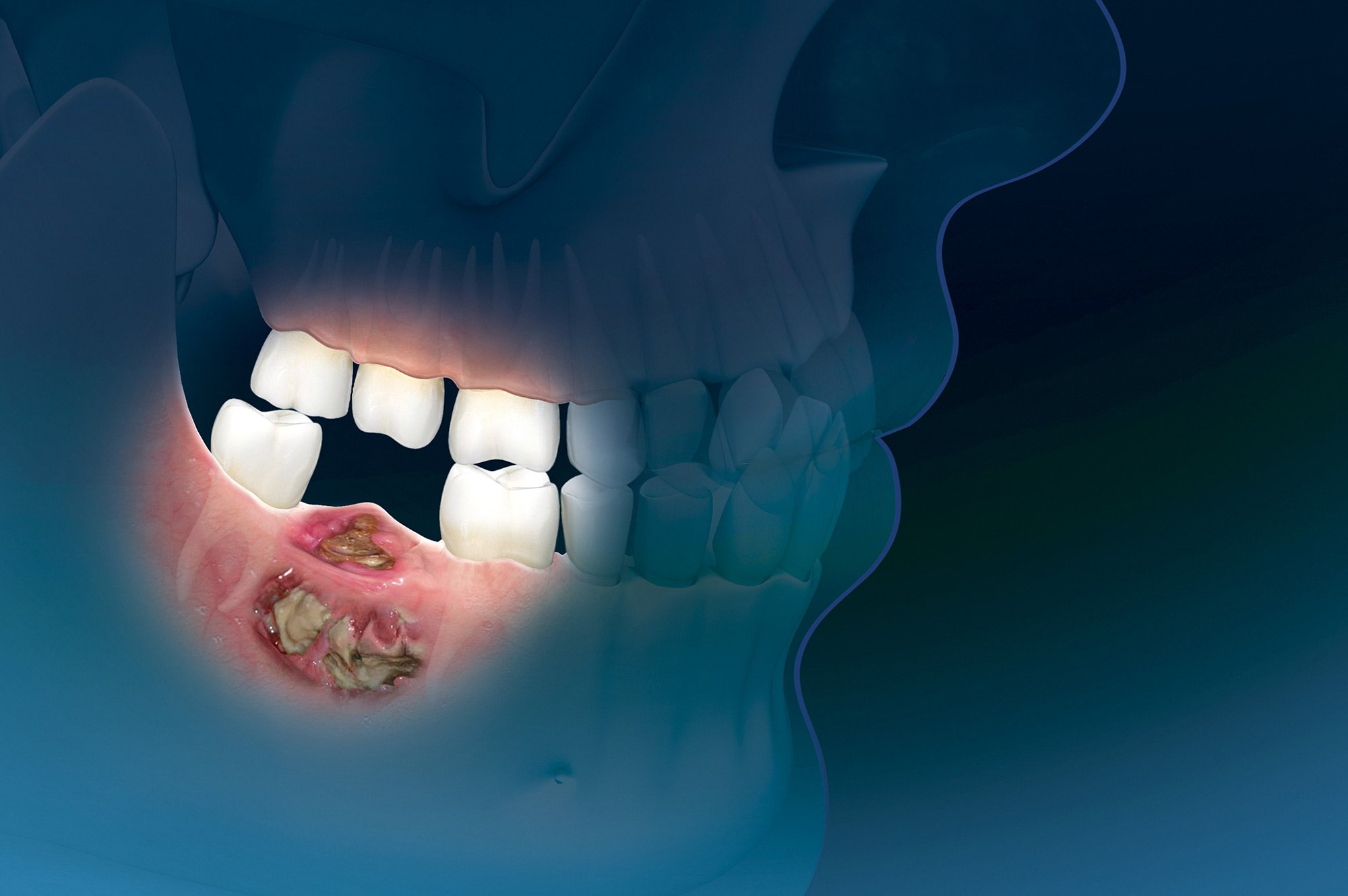
This can lead to Medication-Related Osteonecrosis of the Jaw (MRONJ) — a condition where the jawbone becomes exposed and does not heal.
The Best Time for Dental Treatment Is Before Medication
Completing dental work before therapy is one of the safest strategies.
This may include:
Removing infected or damaged teeth
Treating gum disease
Placing dental implants
Restoring teeth with crowns
Deep cleaning
Once treatment begins, your dentist may avoid surgical procedures whenever possible.
A Preventive Approach Can Save You Stress and Cost
Preventive dental care can:
✔ Reduce risk of jaw necrosis
✔ Prevent emergency treatment
✔ Protect surrounding teeth
✔ Improve long-term oral health
✔ Save money on complex dental procedures
Many patients only discover this risk after complications occur.
Who Should Be Most Careful?
Higher risk groups include:
Cancer patients receiving IV bisphosphonates
Long-term osteoporosis treatment
Smokers
Patients with diabetes
Individuals with poor oral hygiene
Those who delay dental visits
Early dental clearance is especially important for these patients.
What Happens During a Dental Clearance Appointment?
Your dentist may:
Take X-rays
Check gum and bone health
Identify infections
Assess old restorations
Create a personalised treatment plan
This ensures your mouth is stable before medication begins.
What If You Are Already Taking Bisphosphonates?
It is not too late. You should:
Inform your dentist immediately
Maintain excellent oral hygiene
Attend regular check-ups
Avoid delaying treatment
Monitor for early symptoms
Early care greatly reduces complications.
The Take-Home Message
Your jaw is just as important as the rest of your skeleton. A simple dental check before bisphosphonate therapy could prevent serious complications and protect your smile for years.
If you are planning osteoporosis or cancer treatment, speak with your dentist first. Preventive dentistry is the safest and smartest step you can take.