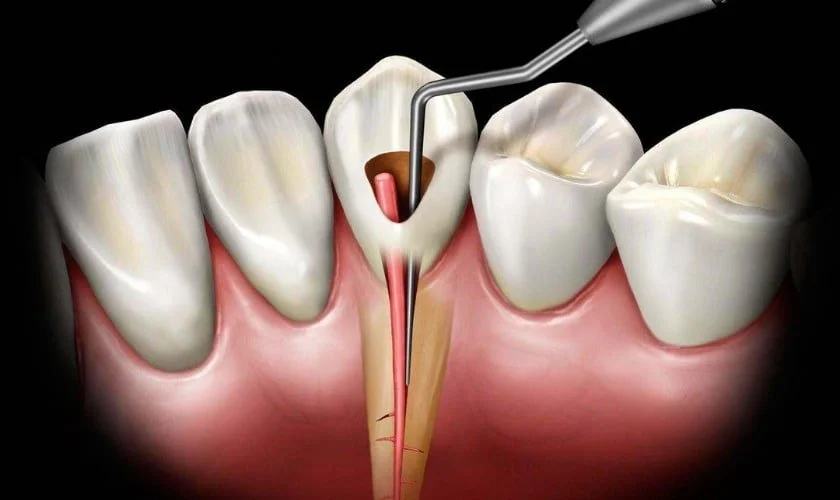
Emergency Dentist- What should you do?

Emergency dentistry

Dental emergencies include accidents involving your teeth or mouth, toothache, bleeding, infections and swelling. Always seek dental treatment when a dental emergency occurs to improve the chance of saving the tooth or teeth and preventing infections occurring or becoming more serious.

What to do in various types of dental emergencies

The following provides information on what to if a dental emergency occurs:

  • toothache

  • knocked out tooth

  • chips, fractures and cracks

  • bitten lips or cheeks

  • abscesses and swelling

  • soft tissue trauma and bleeding

  • jaw pain

Toothache

  • Rinse the mouth with warm water to remove food debris

  • If swelling is present, place a cold compress to the outside of the cheek (do not use heat)

  • Control moderate pain with over-the-counter pain medication

  • Do not place aspirin on the gum or aching tooth. Aspirin can cause the soft tissue to burn

  • Seek dental treatment as soon as possible.

Knocked out tooth

If an adult (permanent) tooth is knocked out, it can be saved but immediate action is required.

  • Remain calm and find the tooth

  • Handle the top of the tooth only (the crown). Never hold the tooth by its roots

  • Do not scrape, rub or remove any tissue fragments from the tooth

  • Make sure the tooth is clean. If the tooth is dirty, rinse it in milk or very quickly in water. Alternatively, the owner can gently suck the tooth although this is not recommended for young children or adults who are unconscious, in shock or not calm and cooperative

  • Immediately replant the tooth in the socket and hold tooth in place

  • If unable to replant the tooth, keep it moist by immersing it in milk (not water), sealing it in plastic wrap, or placing it in the owner's mouth next to the cheek (if the owner is able)

  • Do not let the tooth dry out

  • Seek immediate dental treatment (time is critical).

If a baby (deciduous or milk) tooth is knocked out:

  • Do not attempt to replace it in the socket. Re-implanting a knocked out baby tooth could cause damage to the developing adult tooth

  • Seek prompt dental treatment so any trauma to the lips and gums can be managed.

  • Chips, fractures and cracks

  • If a tooth is chipped, fractured or cracked seek dental treatment as soon as possible

  • If the chip or fracture is only minimal and there is no soft tissue trauma and no pain, do not panic. Seek prompt dental treatment

  • If the damage to the tooth is more extensive, look for any sign of ‘pink’ as this indicates the nerve is exposed. If the nerve is exposed, seek immediate dental treatment. Delaying treatment may mean the tooth will be unable to be saved.

Bitten lips or cheeks

A lip or cheek can be bitten while eating, as a result of a fall or after a local anaesthetic. The area may be very sore and swelling and infection can occur. If a numb lip or cheek is sucked, bitten or rubbed, it can be damaged without the patient realising it.

The area often looks like a chemical burn and may be misdiagnosed as such. Swelling and infection can occur as a result of a bitten lip or cheek.

  • Treat a bitten lip or cheek with warm, saltwater mouth rinses to promote healing (half a teaspoon of salt in a cup of lukewarm water)

  • Seek treatment from a dentist if an infection occurs.

Abscesses and swelling

Dental abscesses are pus-filled swellings caused by infection inside a tooth, infection of the gum or trauma to the tooth. Abscesses are often painful, but not always. Abscesses can cause facial swelling or enlarged lymph glands. In rare cases, dental abscesses can cause more widespread infection and may be life threatening.

  • Seek immediate treatment by a dentist or doctor for facial swelling

  • Control moderate pain with over-the-counter pain medication. Take this in the usual way and do not apply the medication to the abscess itself

  • Use cold compresses to help control swelling

  • A dentist or doctor may prescribe antibiotics to reduce infection, however antibiotics will not remove the source of infection

  • Seek prompt dental treatment. An abscess will not heal itself, and antibiotics will not fix the problem.

Soft tissue trauma and bleeding

If you experience trauma to the lip, cheek or gums you should:

  • Apply a clean bandage or folded handkerchief to the wound and apply firm pressure

  • Sit down and maintain the pressure for at least 10 minutes. Don’t lie down flat

  • If the bleeding cannot be controlled, seek immediate medical attention

  • Apply a cold compress to relieve swelling and pain

  • Seek dental or medical advice

  • Use warm, saltwater mouth rinses until the wound has healed to reduce the risk of infection (half a teaspoon of salt in a cup of lukewarm water).

Jaw pain

If you are having trouble eating or opening your mouth due to jaw pain, or you experience jaw pain when waking, seek medical or dental treatment to diagnose the source of the pain.

To alleviate jaw pain in the short term:

  • Apply a cold compress

  • Take anti-inflammatory medication.

What is Gum Disease? How do it be prevented?

Gum disease is an inflammation of the gum that can progress to affect the bone that surrounds and supports your teeth. The three stages of gum disease — from least to most severe — are gingivitis, periodontitis and advanced periodontitis.

What's the Difference Between Gingivitis and Periodontitis?

Gingivitis (gum inflammation) usually precedes periodontitis (gum disease). However, it is important to know that not all gingivitis progresses to periodontitis.

In the early stage of gingivitis, bacteria in plaque buildup, causing the gums to become inflamed and to easily bleed during tooth brushing. Although the gums may be irritated, the teeth are still firmly planted in their sockets. No irreversible bone or other tissue damage has occurred at this stage.

When gingivitis is left untreated, it can advance to periodontitis. In a person with periodontitis, the inner layer of the gum and bone pull away from the teeth and form pockets. These small spaces between teeth and gums collect debris and can become infected. The body's immune system fights the bacteria as the plaque spreads and grows below the gum line.

Toxins or poisons -- produced by the bacteria in plaque as well as the body's "good" enzymes involved in fighting infections -- start to break down the bone and connective tissue that hold teeth in place. As the disease progresses, the pockets deepen and more gum tissue and bone are destroyed. When this happens, teeth are no longer anchored in place, they become loose, and tooth loss occurs. Gum disease is the leading cause of tooth loss in adults.

What Causes Gum Disease?

Plaque is the primary cause of gum disease. However, other factors can contribute to periodontal disease. These include:

  • Hormonal changes, such as those occurring during pregnancy, puberty, menopause, and monthly menstruation, make gums more sensitive, which makes it easier for gingivitis to develop.

  • Illnesses may affect the condition of your gums. This includes diseases such as cancer or HIV that interfere with the immune system. Because diabetes affects the body's ability to use blood sugar, patients with this disease are at higher risk of developing infections, including periodontal disease and cavities.

  • Medications can affect oral health, because some lessen the flow of saliva, which has a protective effect on teeth and gums. Some drugs, such as the anticonvulsant medication Dilantin and the anti-angina drug Procardia and Adalat, can cause abnormal growth of gum tissue.

  • Bad habits such as smoking make it harder for gum tissue to repair itself.

  • Poor oral hygiene habits such as not brushing and flossing on a daily basis, make it easier for gingivitis to develop.

  • Family history of dental disease can be a contributing factor for the development of gingivitis.

What Are the Symptoms of Gum Disease?

Gum disease may progress painlessly, producing few obvious signs, even in the late stages of the disease. Although the symptoms of periodontal disease often are subtle, the condition is not entirely without warning signs. Certain symptoms may point to some form of the disease. The symptoms of gum disease include:

  • Gums that bleed during and after tooth brushing

  • Red, swollen, or tender gums

  • Persistent bad breath or bad taste in the mouth

  • Receding gums

  • Formation of deep pockets between teeth and gums

  • Loose or shifting teeth

  • Changes in the way teeth fit together upon biting down, or in the fit of partial dentures.

Even if you don't notice any symptoms, you may still have some degree of gum disease. In some people, gum disease may affect only certain teeth, such as the molars. Only a dentist or a periodontist can recognize and determine the progression of gum disease.

How Is Gum Disease Treated?

The goals of gum disease treatment are to promote reattachment of healthy gums to teeth; reduce swelling, the depth of pockets, and the risk of infection; and to stop disease progression. Treatment options depend on the stage of disease, how you may have responded to earlier treatments, and your overall health. Options range from nonsurgical therapies that control bacterial growth to surgery to restore supportive tissues. A full description of the various treatment options is provided in Gum Disease Treatments.

How Can Gum Disease Be Prevented?

Gingivitis can be reversed and the progression of gum disease can be stopped in nearly all cases when proper plaque control is practiced. Proper plaque control consists of professional cleanings at least twice a year and daily brushing and flossing. Brushing eliminates plaque from the surfaces of the teeth that can be reached; flossing removes food particles and plaque from in between the teeth and under the gum line. Antibacterial mouth rinses can reduce bacteria that cause plaque and gum disease, according to the American Dental Association.

Other health and lifestyle changes that will decrease the risk, severity, and speed of gum disease development include:

  • Stop smoking. Tobacco use is a significant risk factor for development of periodontitis. Smokers are seven times more likely to get gum disease than nonsmokers, and smoking can lower the chances of success of some treatments.

  • Reduce stress. Stress may make it difficult for your body's immune system to fight off infection.

  • Maintain a well-balanced diet. Proper nutrition helps your immune system fight infection. Eating foods with antioxidant properties -- for example, those containing vitamin E ( vegetable oils, nuts, green leafy vegetables) and vitamin C (citrus fruits, broccoli, potatoes) -- can help your body repair damaged tissue.

  • Avoid clenching and grinding your teeth. These actions may put excess force on the supporting tissues of the teeth and could increase the rate at which these tissues are destroyed.

Despite following good oral hygiene practices and making other healthy lifestyle choices, the American Academy of Periodontology says that up to 30% of Americans may be genetically susceptible to gum disease. And those who are genetically predisposed may be up to six times more likely to develop some form of gum disease. If anyone in your family has gum disease, it may mean that you are at greater risk, as well. If you are more susceptible to gum disease, we may recommend more frequent check-ups, cleanings, and treatments to better manage the condition.

Is Gum Disease Linked to Other Health Problems?

According to the CDC, researchers have uncovered potential links between gum disease and other serious health conditions. In people with healthy immune systems, the bacteria in the mouth that makes its way into the bloodstream is usually harmless. But under certain circumstances, these microorganisms are associated with health problems such as stroke and heart disease. Diabetes is not only a risk factor for gum disease, but gum disease may make diabetes worse.