POTENTIAL CAUSES OF JAW PAIN ON ONE SIDE

Temporomandibular joint disorders (TMJ) often develop symmetrically, in both jaw joints at the same time. However, it is possible for people to develop the disorder and experience symptoms on just one side of the head. However, as the condition progresses, it will likely spread to affect the other joint as well.

There are several causes affecting one-sided jaw pain:

Jaw Trauma

A broken jaw

Jaw trauma can be classified into two types: a broken/fractured jaw or a dislocated jaw.

A broken jaw is a break (fracture) in the jaw bone. A dislocated jaw means the lower part of the jaw has moved out of its normal position at one or both joints where the jaw bone connects to the skull (temporomandibular joints).

A broken or dislocated jaw usually heals after treatment. Nonetheless, patients may develop complications such as the jaw can dislocate out of its usual position, causing teeth crowding (misalignment), swelling or infection of the face and jaw, difficulty eating, difficulty talking, as well as TMJ dysfunctions (ongoing jaw and face pain).

Dental Issues:

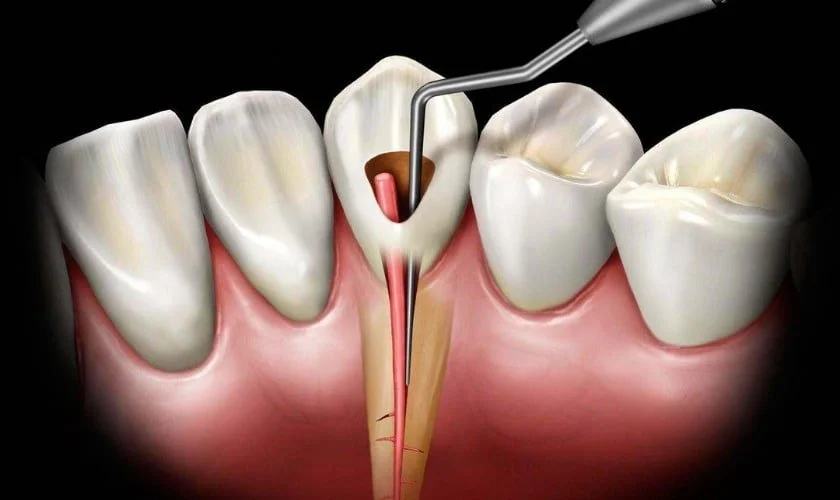
Dental problems can often seem like jaw problems. In particular, a visibly damaged tooth will certainly cause cavities, which can result in jaw pain when the tooth deteriorates to a point where the tooth root becomes infected. This infection can spread to tissues in the jawbone which can cause severe pain if left untreated.

To look out for tooth infections that can cause jaw pain, visible signs you can find are damaged or discolored teeth/enamel, sores on your gums, discharge from the tooth and/or gums, and bad breath.
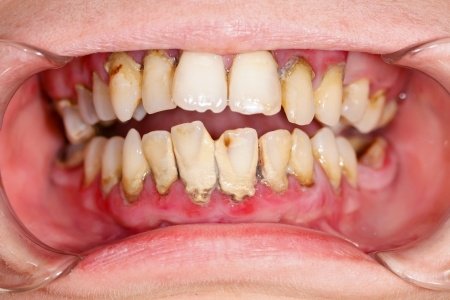
Tooth infections

Adults with growing wisdom teeth can experience jaw pain if they shift their teeth’ alignment or cause unwanted pressure in the jaw. If you are between ages 17 to 25 years, you can feel the wisdom tooth pushing through the very back part of your gums, causing gum and jaw pain.


Sinusitis:

Sinusitis, or commonly called sinus infection, is a medical condition in which the cavities around the nasal passages become inflamed. Acute sinusitis can often be caused by the common cold, a viral infection, which usually resolves on its own. Chronic sinusitis may last up to eight weeks. Both acute and chronic sinusitis require medical treatments such as pain medications, nasal decongestants, and nasal rinses however, chronic sinusitis may require antibiotics in addition as well. Some symptoms can include a stuffy (congested) nose, which can prevent the drainage of your nose’s mucus, headaches and/or facial pains.

Healthy sinus vs. Sinusitis

Your jaw area can become inflamed and in pain when you are suffering from sinus infection. This is likely to happen due to the pressure on your sinus cavity spreading to other areas of your face.

Chronic sinusitis has symptoms that can overlap with TMJ dysfunction, such as:

  • Headaches

  • Facial pain or pressure

  • Jaw pain

  • Toothache

  • Neck pain

  • Ear pain or tinnitus

  • Dizziness or vertigo

Want to solve your jaw pain issues? Call us now at 02 9558 8988 or email us at info@painfreedentistsydney.com.au to organise a consultation today!

TMJ - Temporomandibular Joints

What is TMJ?

TMJ is usually referred by patients as TMJ pain in particular pain to the temporomandibular joints that control the jaw movements. The joints are complex as they not only move up and down, they move side by side and translate forward. 

TMJ dysfunction or TMJ disorder refers to pain or discomfort or clicks to the joint complex that relates to the muscles, ligaments, discs, and relationships of your teeth that are not in synchronization. As the jaw, muscles, and teeth work together, when the balance is off, pain and inflammation will set in.

How do the Teeth, Jaw, and TMJ relate together?

The relationship of the teeth is thrown off balance with misalignment, orthodontic treatment, accidents, crowding can throw the jaw during function when the jaw first close, on chewing, and side by side, or locked in a certain position.

The jaw balance will be thrown off and each time its thrown off, the joint complex is strained and becomes inflamed. This inflammation, if not treated, will become chronic degeneration of the joint and worse case, there will be damages to the middle ear, causing deafness. 

Certain conditions like arthritis, hormonal changes, genetics, teeth clenching, teeth grinding (bruxism) can exacerbate the condition further.

WHAT IS THE MAIN CAUSE OF TMJ?

There are many factors contributing to TMJ dysfunction. These include:

  • Shock-absorbing disk of the temporomandibular joint wearing out or sliding away from its proper alignment.

  • Arthritis causing joint cartilage damage.

  • Jaw injury.

  • Chronic or long-term bruxism (grinding/clenching) of teeth.

  • Connective tissue diseases cause problems that may affect the temporomandibular joint.

TMJ  Symptoms

TMJ can be directly related to the joint complex where there is degeneration of the joint, inflammation to the jaw joints, headaches, migraines, tight muscles, toothache, locked jaw, clicking jaw, jaw popping, pain to the shoulders, neck, head. Sometimes referred pain to the jaw relates to other issues from other parts of the body such as heart issues, stomach issues. For an experienced dentist, these differential diagnoses can be determined. 

iS TMJ A SERIOUS PROBLEM?

If TMJ dysfunction is left untreated, it can lead to serious problems, worse cases from acute pain to chronic and hard-to-treat one.

Some arising issues can include:

  • Bite discomfort

  • Loss of appetite

  • Tooth erosion (due to bruxism)

  • Long-term sleep apnea

  • Long-term insomnia

  • Depression

  • Anxiety

iS TMJ a medical or dental problem?

TMJ disorder can both be a medical and dental problem. There are also many other medical conditions which cause TMJ disorder, such as arthritis, tongue tie or hereditary issues which affect the jaw structure. TMJ disorder can be a dental issue by nature when it is caused by a person’s unaligned teeth.

TMJ Treatment

Treatment for TMJ HEADACHE AND MIGRAINES ARE MOST EFFECTIVE WITH BOTOX TREATMENT AND PHYSICAL THERAPY AS WELL AS PHYSICAL SELF REGULATION. There are other various ways for the treatment of TMJ pain/ TMD

  1. TMJ-BOTOX treatment is commonly used to relax the tight muscles attributed by bruxism, teeth clenching.

  2. Arthrocentesis is flushing out the joint complex to allow the area to heal.

  3. Physiotherapy, releasing the muscle cramps and rebalancing your body's posture. The body's posture contributes to jaw pain when held in an incorrect position. Some occupation which has certain posture held in one position for long periods ie sitting in front of a computer will cause muscle cramps and these cramps translate to referred pain to the jaw. Hence working with complementary therapists such as masseuse, acupuncture, osteopath, chiropractor, the physiotherapist will assist in releasing those tight muscles.

  4. Splint therapy by de-programming the incorrect bite and realignment of teeth or rebuilding of the teeth and bite correction with composite resins and crowns will assist in the alignment of the jaw. 

  5. Medication for pain management and assisting in sleeplessness.

TMJ headache, migraine and treatment

tmjpainfree.jpg

Treatment of TMJ

TMJ migraine can be  CHRONIC AND EPISODIC, Recurrent headaches lasting 4-72 hours, One-sided, pulsating, moderate-to-severe pain and decreased ability to function in everyday situations.

SOME OF THE ASSOCIATED SYMPTOMS ARE ALSO PRESENT DURING AN ATTACK such as Nausea and/or vomiting, Sensitivity to light, Sensitivity to sound. Other symptoms may include sweating or cold hands, diarrhea, pale skin color, and scalp tenderness or pain from touch or pressure (such as a necklace touching the skin, hair brushing, or shaving). This kind of pain is called allodynia.

SHOULD I SEE A DOCTOR FOR TMJ?

TMJ pain requires treatment from a medical specialist - a dentist. Dentists don’t just treat your teeth, they are specialists who are well-trained to cater to the holistic aspect of your well-being, particularly in the anatomy of the neck, face, jaw, and diagnosing dysfunction in the bite.

How doES A DENTIST CHECK FOR TMJ?

When you arrive at the clinic, the dentist first examines your jaw when you close and open your mouth to identify limitations of jaw movement. The dentist will then palpate (lightly pressing on) areas surrounding your jaw to identify pain points and possibly jaw dislocation.

After the examination, the patient will then be guided under an X-Ray scan. The consultation generally lasts about 30 minutes to one hour depending on the concerns and severity of the condition.

At Pain Free Dentist Sydney, we are proud to take a unique approach to treating TMJ conditions. If consent, Dr. Lisa Chong will temporarily relieve the pain around your face and start a splint therapy treatment. This will involve the use of a “splint” - an acrylic-based mouthguard that would realign your jaw to slide into the right place.

The success of the treatment is heavily dependent on the commitment of the patient to wear the splint for a long duration of time.

TMJ exercises

TMJ exercises may alleviate pain for some but not others as individual cases vary greatly. Exercises should be consulted by experts to target certain muscles and retrain the jaw to move correctly without pain.

Have TMJ and need help?

Call us now at 02 9558 8988 or email us at info@painfreedentistsydney.com.au to organise a consultation today!

What is unique at Pain Free Dentist Sydney?

OVERVIEW OF OUR SERVICES

It’s very difficult to find a good dentist and a suitable dental treatment plan. Hence, Pain Free Dentist Sydney offers extremely dedicated services to ensuring excellent dental health for both adults and children, so they can confidently show their beautiful, healthy smiles.

At Pain Free Dentist Sydney, the dentist and dental assistant will introduce themselves and ask patients about any specific concerns/issues with their gums, teeth, physical smile appearance, or aches.

The dentist may request an X-ray to be taken of your teeth and gums during your dental check-ups.

For consultations, patients can request the dentist for:

  • TMJ botox

  • IV sedation

  • wisdom teeth extraction

  • fillings that are not matching to bite or jaw alignment

  • tongue tie, lip tie

  • dental implants

  • cosmetic makeover

TMJ disorder

TMJ (or temporomandibular joints) reside on each side of your jaw and connect your jawbones to your skull.

Temporomandibular joint dysfunction detailed diagram.

More specifically, they are the joints that slide and rotate in front of each ear to allow the mandible (lower jaw) to move up and down, side to side, and forward and backward.

Disorders of the temporomandibular joint and nerve, or TMD, prevent the complex system of muscles, bones, and joints from working together in harmony.

The most common symptoms of TMD are pains or discomfort in the fascia (connective tissue covering the muscles) and muscles that control jaw, neck, and shoulder function.
Likewise, there are other symptoms attributed to the diagnosis of TMD:

  • Headaches

  • Pains in the eyes, shoulders, face, neck and/or back

  • Clicking jaw or popping jaw

  • Jaw locking

  • Limited neck, or limited mouth motion

  • Sensitivity of the teeth without the presence of an oral health disease

  • Numbness or tingling sensations in fingers

TREATMENT FOR TMJ DYSFUNCTIONS

Some in-home treatments such as meditation, sleep, correct posture, and exercises may help to alleviate the symptoms of TMD. However, refusing professional or specialist treatments can lead to worsened TMD conditions (in some cases, they can become chronic, or long-lasting).

This would create a detrimental impact on the patient’s emotional, physical, and mental well-being, as researches show escalated TMD can trigger anxiety, depression, and/or stress due to continual pain.

At Pain Free Dentist Sydney, we are proud to introduce a unique solution to any complicated TMJ condition. As such, Dr. Lisa Chong is a competent TMJ specialist who has over 30 years of experience in treating patients with TMJ dysfunction.

From her vast experiences and qualifications, Dr. Chong personally created a mouthguard structure (called a ‘splint’). which aims to correct the jaw/teeth alignment to permanently erase any pain symptoms, that can become chronic if left untreated.

A prior consultation with Dr.Chong is required as patient conditions vary case by case. It is in the patient’s best interest to give us a phone call or to meet Dr. Chong at her clinic so that we are able to deliver our best quality service!


COSMETIC DENTISTRY

We sincerely care about our customers and we always strive to deliver services that exceed your expectations. Hence, our cosmetic dentistry range of treatments does not stop only at dental veneers, crowns and fillings, but extend to full face aesthetics to improve the patients’ overall wellbeing.

PRP REGENERATIVE TREATMENT

Platelet Rich Plasma (PRP) injection is a form of injectable treatment for various musculoskeletal injuries that utilizes the body’s own healing potential. The procedure is performed by drawing the patient’s own blood into a tube and placing it into a centrifuge to be spun down. This will separate the yellow platelet rich plasma from the red blood cells. The yellow plasma layer is then used to be injected into the deep dermis or fat layer of the skin. Platelets gradually increase collagen which can increase skin thickness and overall health of the skin.

Medical practitioners use PRP treatments to stimulate healing in injured or degenerative tissue. Although PRP is most often used for injuries - such as tendon injuries (tendinopathies) and joint injury (cartilage thinning or osteoarthritis), research shows a positive correlation between PRP treatment versus improvement in facial aesthetics.

Pain Free Dentist Sydney offers low-risk PRP treatment for aesthetics, that is recommended for:

  • Improvement of skin tone and texture

  • Increase in facial skin thickness

  • Use in sensitive areas

  • Accelerating recovery

  • For hair loss and restoration

A previous patient’s treatment with Platelet Rich Plasma injections.

We use local anaesthesia injections (lidocaine) to ensure a completely pain-free experience. A regular visit for 3-6 sessions will ensure the best results for tissue/hair regeneration.

HIKO NOSE THREAD-LIFT

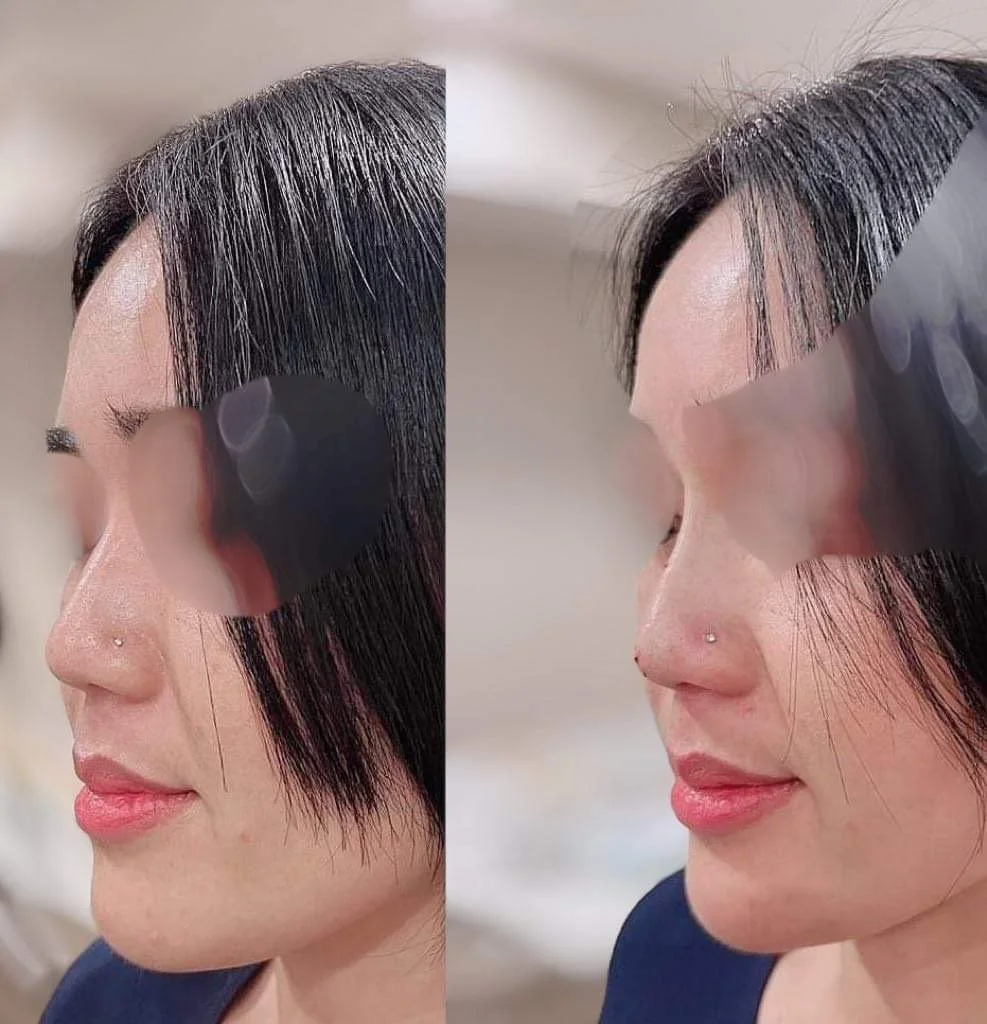
HIKO nose thread-lift is a non-surgical and minimally invasive procedure that aims to lift the profile of the nose from the nasal root to the tip. This will help the nose to have a thinner and well-defined bridge.

HIKO nose thread-lift is a perfect solution for both males and females who want a higher bridge and a more projected nose overall. Similarly, it also avoids concerns over the use of fillers migrating or causing lumps. After doing the Hiko thread-lift treatment, patients will see an immediate result of the nose looking more slim and elegant.

The threads used for HIKO are called PDO (polydioxanone) and they are completely absorbed over time. As they dissolve, these ultra-fine threads create new tissue fibroblasts and collagen, giving a tightening effect and further enhancing the nose contour.

Compared to traditional fillers, HIKO thread-lift procedures:

  • Lasts up to 2 years

  • Does not migrate and broaden the nose

  • Does not cause lumpiness

  • Stimulates natural collagen production

Patient’s before and after photo of HIKO thread-lift

NON-SURGICAL FACE-LIFT

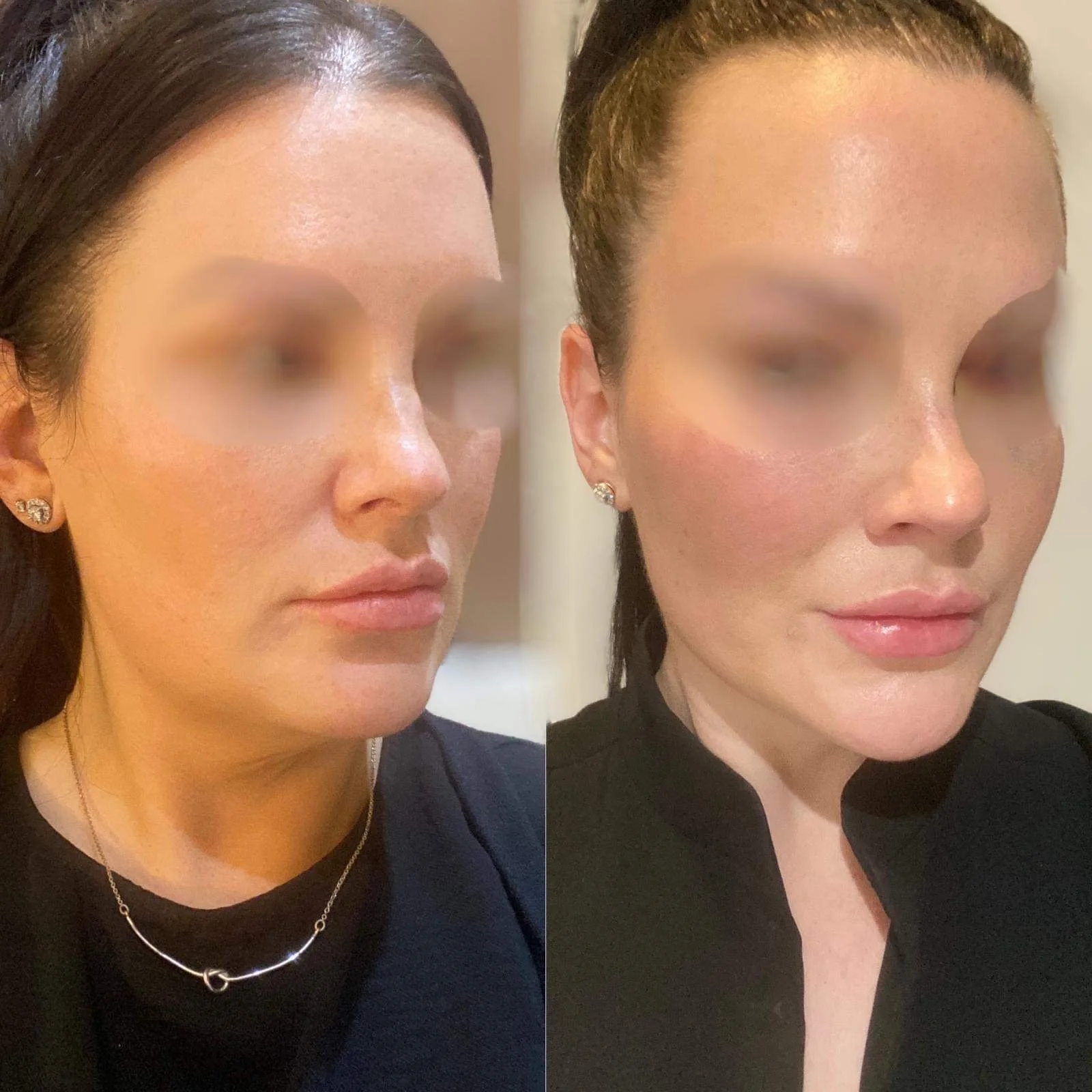
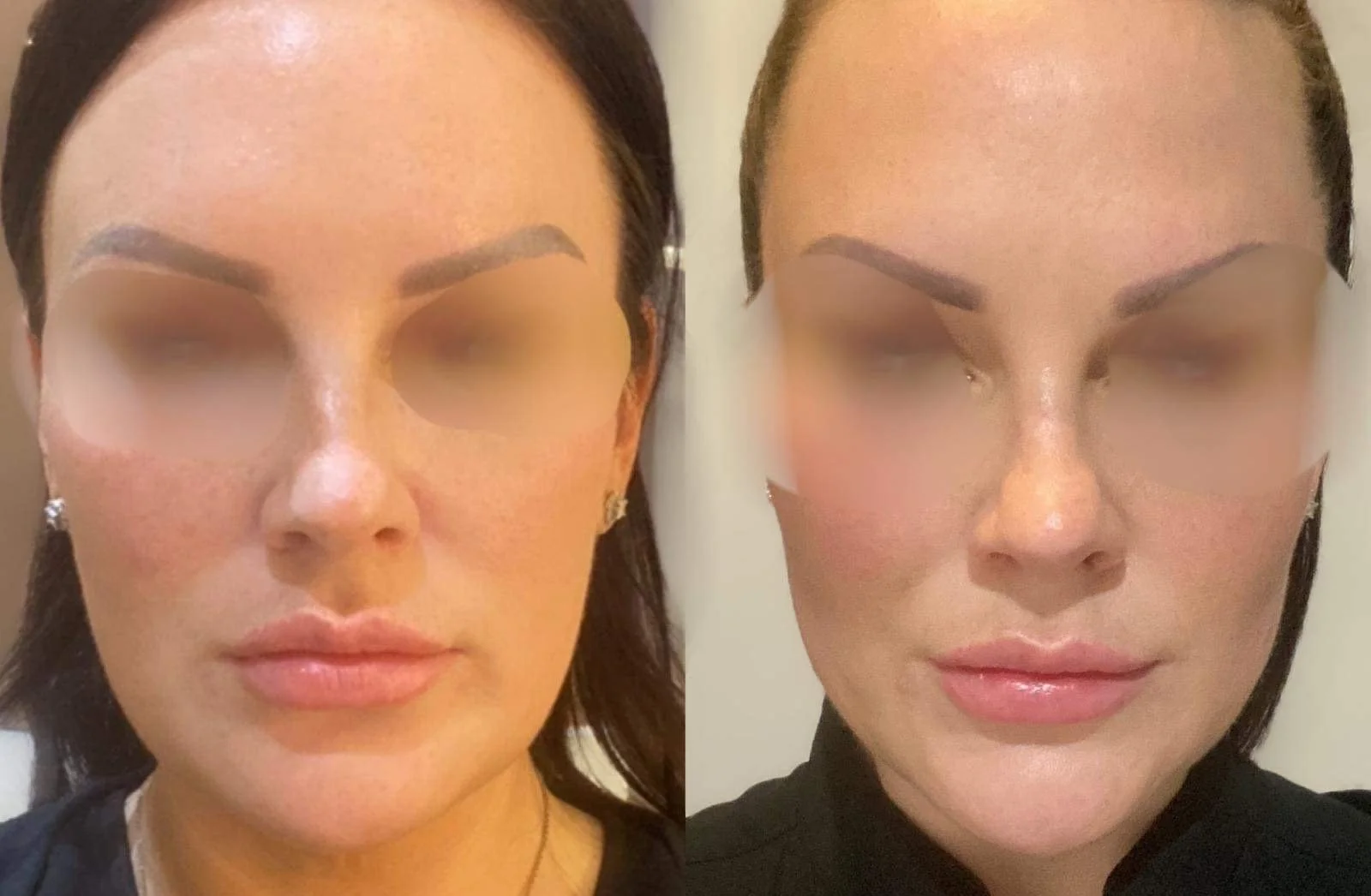
Thread lift is a non-surgical cosmetic procedure that offers a minimally invasive alternative to face-lift surgery.

As we age, we naturally produce less and less collagen, causing the skin’s support structure to weaken. Hence, this leads to the skin sagging due to gravity, leading to wrinkles and creases appearing.

A PDO thread lift is a non-surgical facelift procedure where facial skin is lifted and tightened using Collagen-stimulating Polydioxanone (PDO) threads. These threads are anchored and inserted into different layers of the skin using needles, instantly lifting and tightening sagging skin. Anywhere from 1-15 threads may be used per section.

The strategic placements of threads will correct any skin laxity, contour the face and neck, as well as restore collagen by stimulating its production. This prolonged collagen stimulation helps strengthen the skin’s structure and improve its firmness.

Non-surgical facelifts are recommended for both men and women over 30 years of age looking to undergo a non-invasive natural alternative to a surgical facelift.

Treatable areas include:

  • Lower Jaw

  • Cheeks and Cheekbones

  • Eyebrows

  • Upper and lower Lip

  • Jowls

  • Crows Feet

  • Forehead

A before and after photo of a patient undergoing PDO threadlift.

A before and after photo of a patient undergoing PDO threadlift.

DENTAL VENEER VS. DENTAL CROWN

A veneer is a very thin layer of porcelain that only covers the front of your existing tooth. They’re not as invasive as crowns, because the preparation leaves more of your original tooth intact.

A crown covers the entire tooth. With a crown, more of the tooth needs to be filed or ground down to prepare for the crown placement.

Depending on the severity of the teeth and your preferences, the dentist will introduce teeth restoration options for you to choose from. There are several advantages and disadvantages regarding veneer and crown, outlined below:

VENEER:
Dental veneer is a cheaper alternative to crown, and is less invasive. Veneers can make the teeth look more aesthetically pleasing than crown, and it somewhat allows more natural tooth to be remained.

However, veneers can cause tooth decay due to bacteria sticking onto hard to reach surfaces in between tooth and the veneer. Similarly, it is not permanent and the patient is required to replace them within a few years depending on the veneer material used.

CROWN:

By having a crown, all surfaces of the tooth is covered, meaning there will be less likely chances of tooth decay due to bacterial remains. Crowns are relatively permanent does not have to be replaced. Similarly, a crown will give your teeth a more natural look and feel.

GENERAL DENTISTRY

TOOTH DECAY / TOOTH EROSION TREATMENT

TOOTH DECAY:

Tooth decay (caries), commonly called tooth cavity, is a dental condition where there is a destruction to the enamel, a hard surface structure outside of the tooth.

Once tooth decay has eroded the enamel, cavities can start to form.

According to the American Dental Association (ADA), a tooth consists of three layers:

  • Enamel: The hard outer layer that protects the inner layers of a tooth. Tooth enamel contains no living cells and is the hardest structure in the human body.

  • Dentin: The second layer of a tooth. When the enamel is damaged, it may expose the dentin. Small tubes within the dentin allow hot and cold food to stimulate the nerves of the tooth. The stimulation of these nerves can cause pain and sensitivity in the tooth.

  • Pulp: The center of the tooth. The pulp contains blood vessels, nerves, and connective tissue.

Tooth decay can occur in varying stages of severity. More severe cases of tooth decay involve cavities penetrating to levels as low as pulp tissues, leading to painful absesses of the pulp within the tooth.

Want to start treatment with us?

Call us now at 02 9558 8988 or email us at info@painfreedentistsydney.com.au to organise a consultation today!