Why is my uvula swollen?

Uvulitis is a medical condition where the uvula (the teardrop flesh hanging on top of your soft palate) is inflamed. The purpose of the uvula is to secret saliva to keep your mouth moist and lubricated. It also prevents food and liquids from entering the area behind your nose.

There are many causes leading to uvulitis, such as infection, allergies or trauma. Fortunately, uvulitis is only temporary and can be entirely treated.
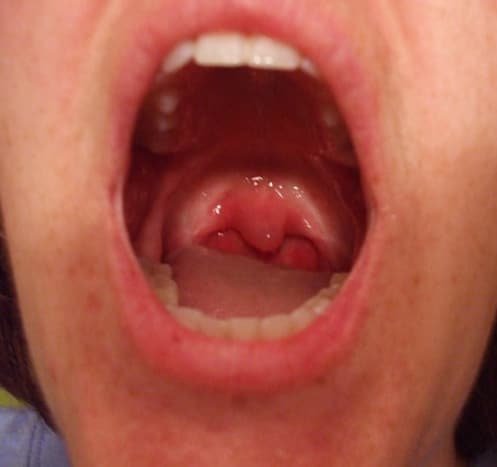
Patient with a swollen uvula

What causes swollen uvula?
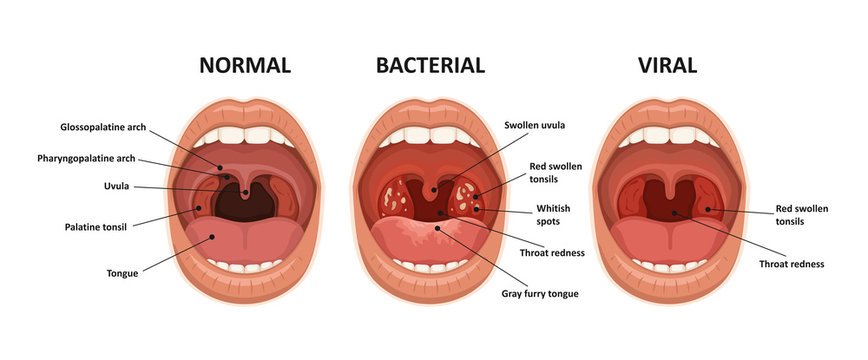
Causes of swollen uvula

1. Infection

Infections such as a common cold may cause you to have a swollen uvula. Alongside this, your throat may be sore and red for more than a week.

There are two types of uvula infections, bacterial or viral. Most infections caused by a virus do not have a treatment. Hence, you will need to wait until it completely clears up. Infections caused by bacteria can be treated with a doctor’s prescribed antibiotics.

We can easily distinguish a bacterial uvula infection from a viral uvula infection through the white bumps or spots on the tonsils, a trait seen when your uvula is infected with bacteria only.

2. Allergies

Some environmental irritants or allergens such as dust, pollen, hair, fur, and certain chemical substances such as tobacco or smoke can trigger uvula inflammation. Similarly, food allergies can also aggravate the symptoms of uvulitis.

A qualified medical doctor may be able to diagnose the causes of your allergies. It is best to consult a doctor for your allergy issues to prevent severe symptoms in the future.

3. Injury/trauma

Friction of uvula against any other external materials may exacerbate or initiate symptoms of uvulitis. Similarly, swallowing large food particles or objects can cause injury to the uvula, leading to uvula inflammation.

Concerned about your uvula?

Call us now at 02 9558 8988 or email us at info@painfreedentistsydney.com.au to organise an appointment to have it checked out today.

Benefits of Lip Injections or Lip Fillers

Lip fillers are among the most popular and common types of dermal filler. They can increase the volume of your lips, giving them a more natural, younger and more attractive look.

Before and After

What are lip fillers?

Lip fillers are classified as dermal fillers, which are injections that allow the wrinkles to smoothen and become plumper. Common areas requiring lip fillers can include the eyes, mouth and nose.

Lip fillers are usually made up of synthetic hyaluronic acid (HA), also known as hyaluronan or hyaluronate. Hyaluronic acid is found scattered across your body, especially in the eyes, joints and skin. Commonly used in moisturising creams, lotions, ointments and serums, hyaluronic acid helps skin stretch, flex and reduces skin wrinkles and lines. Similarly, hyaluronic acid is proven to help wounds heal faster and reduce scarring.

Who should get lip fillers?

There are many reasons why patients wish to receive lip filler treatment. This can include:

  • Smoothing wrinkles and increasing the size of the lips.

  • Restoring the previous size of your lips. Lip thinning can occur as you age. Hence people who wish to reshape their lips to their original size can choose to receive lip filler.

  • Correcting the shape of your lips. It is common for the lips to become asymmetrical. Hence, lip fillers are a great choice to sculpt the lips to your desired shape.

  • Boosting confidence and improving the overall facial image. Lip fillers can enhance your facial appearance to a more attractive side.

Before and After

Who should not get lip fillers?

There are certain risks associated with lip fillers. You should not receive lip filler treatment if:

  • You are allergic to many substances or chemicals. Some patients have been recorded to be allergic to lidocaine (lignocaine), a local anaesthetic of the amino amide type. It is best to consult with a qualified practitioner regarding all of your medical concerns to avoid possible risks.

  • You are pregnant or breastfeeding.

  • You have any bacterial, viral or fungal infection. Similarly, if you are on antibiotics, you should not receive HA lip filler injections. HA fillers should also not be used on patients with active autoimmune diseases including lupus, rheumatoid arthritis, mixed connective tissue disease and Hashimoto’s thyroiditis.

What are the pros and cons of lip fillers?

There are many pros and cons to lip filler treatments. Most customers choose to have lip augmentation due to its many benefits including:

PROS:

  • Safe non-surgical procedure (lip lifts are more invasive and typically less desired than lip fillers)

  • Stimulate collagen production around the lip area

  • Fully reversible procedure

  • Enhance physical appearance, which might also boost self-confidence and improve social interactions

  • Gives a natural fullness to the lips

  • Ingredients are made up of naturally occurring hyaluronic acid

  • Fewer bruises and lips can recover much faster

  • Little to no side effects

However, some patients can experience negative side effects from lip fillers. These include:

CONS:

  • Temporary results requiring regular visits

  • Rashes, swelling or potential infection

  • Fillers might move away from the desired area, or form lumps

  • Expensive. Hyaluronic acid fillers can be more expensive than botox and the price might fluctuate based on the location, or the expertise of the health professional

How long do lip fillers last?

Lip fillers tend to last anywhere between 12 to 18 months. However, it is dependent on the amount of filler placed and the area placed, your age and how fast your body metabolises substances. Younger people tend to burn calories faster, hence their lip fillers might not last longer.

How painful is lip filler?

Under numbing cream and a skilled injector, patients may experience little to no discomfort. In short, you won’t be experiencing noticeable pain during the procedure.

Are lip fillers safe?

Lip fillers are generally safe and carry a very low risk of complications, or side effects. To increase volumes, your lips will require some stretching. However, excessive use of lip fillers can cause the area to sag long term.

Do your lips go lumpy after fillers?

Lumps are a common side effect after undergoing dermal fillers or lip enhancement procedures. Often, they are short-term problems that can correct themselves sometimes after the treatments. However, the process is entirely reversible as you can dissolve hyaluronic acid fillers using a substance called hyaluronidase, a naturally-occurring enzyme in the body. Hyaluronidase can only be prescribed by a medical professional, so you should have lip fillers done in a regulated clinical environment should something ever goes wrong.

Where to get lip fillers?

At Pain Free Dentist Sydney, we offer hyaluronic acid fillers for facial areas. Dr. Chong, a beauty enthusiast, has over 30 years of expertise in cosmetic dentistry and can perform filler procedures under fully safe conditions.

If you wish to consult about your dental or any cosmetic concerns, please do not hesitate to contact us on 9558 8988. Alternatively, you can reach us via our email info@painfreedentistsydney.com.au.

What Is Upper Airway Resistance Syndrome (UARS)? How Is It Linked To Tongue Tie Issues?

Upper Airway Resistance Syndrome (UARS) is a condition that is caused by a slowing or blockage of air in the nasal passages during sleep, leading to restlessness and lethargy. This syndrome happens when the soft tissue in your throat relaxes and doesn’t allow proper airflow while you sleep. However, patients suffering from tongue tie can also develop UARS because of the narrow upper arch pushing against the floor of their nose, thus reducing the oxygen flow through the nasal cavity.

Upper Airway Resistance Syndrome (UARS)

Some symptoms and physical features of UARS can include:

  • Snoring

  • Daytime sleepiness

  • Reducing cognitive function

  • Frequent sleep arousals

  • Restless sleep

  • Small jaws, small mouth

  • Limited mouth opening

  • Skin allergy or rashes

  • Non-cardiac chest pain and discomfort

  • Pain and discomfort in sinuses

  • People with disturbed chewing, biting and eating

  • Teeth grinding, teeth clenching

  • Crowded and misaligned teeth

How is UARS different from sleep apnoea?

Despite being similar in symptoms, UARS is generally less severe than sleep apnoea. UARS patients do not usually have pauses or decreases in breathing. Contrastingly, sleep apnoea patients experience periods of disrupted breathing. Those with sleep apnoea also tend to be obese or overweight.

Without medical treatment, UARS can become sleep apnoea.

The link between UARS and tongue tie

Many people who have a tongue tie issue often experience UARS, and much worse, sleep apnoea.

Can you treat and prevent UARS?

Several treatments used for OSA (Obstructive Sleep Apnea) can also be applied to UARS patients. These include:

  • Oral appliances. Certain devices that you wear while you sleep can also prevent a collapse in the soft tissue of your airway. These appliances are good alternatives if you can’t tolerate a CPAP device.

  • CPAP. Short for Continuous Positive Airway Pressure. This is a machine that gently blows air into your upper airway through a tube that connects to the mask. The air pressure helps keep your airway open and allows for regular breathing.

  • Surgery. Some people with UARS may need surgery. Your doctor can make your airway larger to lower the chances that it will collapse while you sleep.

Think you have a tongue tie?

Call us now at 02 9558 8988 or email us at info@painfreedentistsydney.com.au to book a consultation and solve your tongue tie issue today.