Workers' Compensation in NSW: Your Solution for Dental Injuries on the Job

As a dentist committed to promoting the well-being of our patients, we understand that accidents can happen anywhere, including the workplace. In New South Wales (NSW), workers have access to a robust Workers' Compensation system that provides financial and medical support in the unfortunate event of on-the-job injuries. In this article, we'll explore how Workers' Compensation in NSW can be utilized for dental injuries, specifically focusing on cases involving chipped teeth and other dental damages.

Workers' Compensation in NSW

Understanding Workers' Compensation in NSW:

Workers' Compensation is a form of insurance that provides compensation to employees who suffer injuries or illnesses arising out of their employment. In NSW, the scheme is administered by SafeWork NSW, and it covers a wide range of injuries, including those related to dental health.

Dental Injuries Covered by Workers' Compensation:

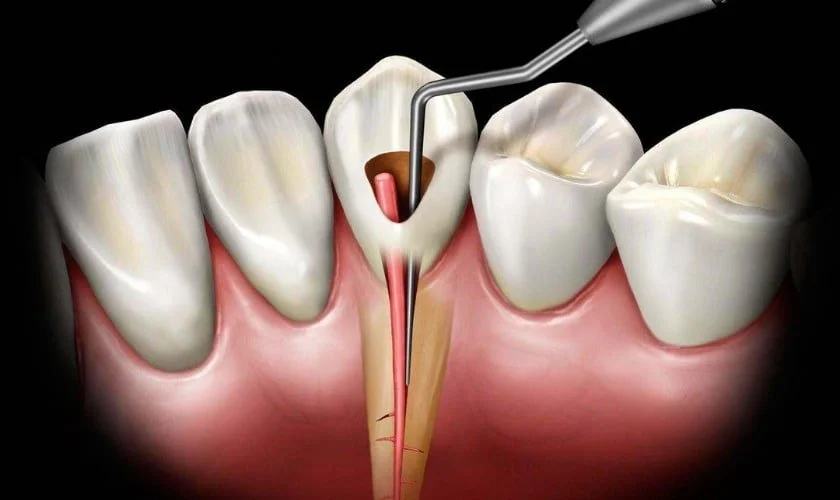
  1. Chipped Teeth: Accidents at the workplace, such as falls or impacts, can lead to dental injuries, including chipped teeth. Workers' Compensation in NSW can cover the costs associated with the diagnosis, treatment, and rehabilitation of such injuries. Whether the damage is minor or requires more extensive dental work, employees are entitled to seek compensation for their dental health.

  2. Other Dental Damages: Workers' Compensation is not limited to chipped teeth; it extends to cover a range of dental damages. This includes fractures, dislocations, and injuries that affect the overall oral health of an employee. The goal is to ensure that individuals can access timely and appropriate dental care to recover and return to work.

How to Utilize Workers' Compensation for Dental Injuries:

  1. Report the Injury Promptly: If you suffer a dental injury at work, it's crucial to report the incident to your employer as soon as possible. This sets the Workers' Compensation process in motion.

  2. Seek Immediate Dental Care: Following a workplace dental injury, seek prompt medical attention from a qualified dentist. Documenting the details of the injury and obtaining a thorough dental assessment are essential steps in the claims process.

  3. File a Workers' Compensation Claim: Work with your employer to file a Workers' Compensation claim through SafeWork NSW. Provide all necessary documentation, including dental records and treatment plans, to support your case.

  4. Consult with a Dentist Experienced in Workers' Compensation Cases: Choosing a dentist with experience in treating Workers' Compensation cases can be beneficial. They can provide comprehensive documentation and work closely with insurance providers to ensure that the necessary dental treatments are covered.

Workers' Compensation in NSW is a valuable resource for employees who sustain dental injuries while on the job. If you've experienced a chipped tooth or any other dental damage at work, understanding your rights and promptly initiating the Workers' Compensation process can help you receive the dental care you need to restore your oral health. Our dental practice is here to support you through this process, providing expert care and assisting with the necessary documentation to facilitate your Workers' Compensation claim. Your well-being is our priority, both in and out of the dental chair.

Call 02 9558 8988

Or email info@painfreedentistsydney.com.au if you would like to book a consult or appointment.

Instagram: @tmjpainfreedentist and @cosmeticclinicsyd

Tongue and Lip Tie Release for Babies Sydney

Tongue and Lip Tie Release for Babies Sydney

Dr. Lisa Chong, with over three decades of expertise as a tongue tie specialist, has dedicated her career to providing comprehensive care for individuals of all ages, from newborns to adults. Her commitment to excellence is reflected in her use of advanced techniques and a patient-centric approach to ensure a pain-free experience.

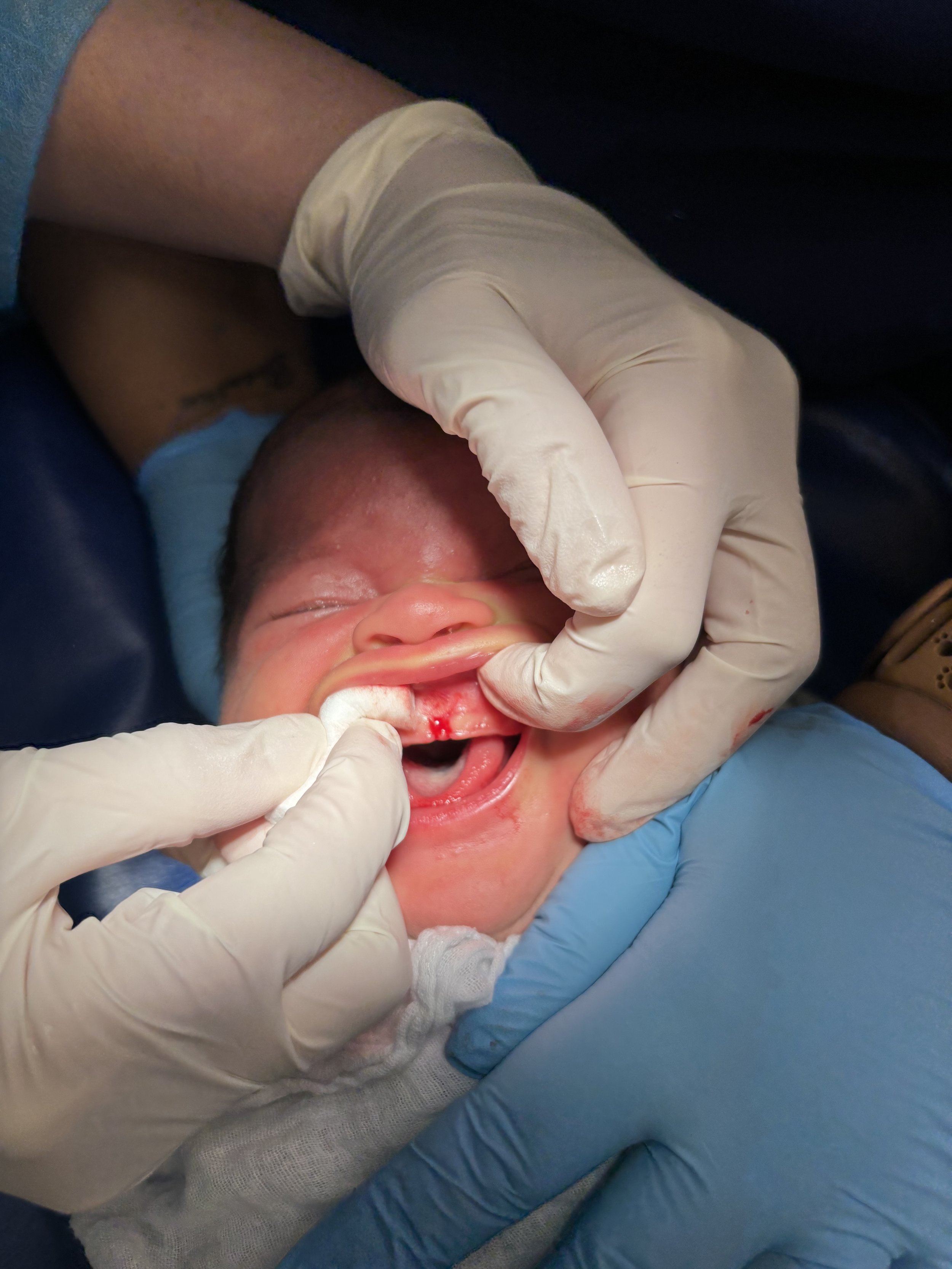
For newborns, Dr. Chong employs a gentle and compassionate approach, understanding the delicate nature of caring for infants. Using a specially formulated numbing gel, she ensures that the procedure is as comfortable as possible for the little ones. This commitment to a pain-free experience is not only a testament to her medical proficiency but also showcases her dedication to the overall well-being and comfort of her patients.

There are multiple symptoms that could indicate your baby may have an upper lip tie, including: Struggling to latch properly. Making a clicking or smacking sound when breastfeeding. Reflux caused by swallowing too much air.

Just look at our Tongue and Lip Tie results!

For newborns, tongue and lip ties can interfere with the ability to latch onto the breast or bottle properly. This can lead to feeding difficulties for both the baby and the breastfeeding parent. A timely frenectomy can enhance the infant's ability to feed effectively, promoting better nutrition and overall growth.

Before

Tongue and Lip Tie

An upper lip tie is a band of tissue connecting your baby's lip to the top of their mouth. These are also called the frenulum. Everyone has tongue and lip ties, but these bands of tissue can sometimes be too thin or thick, both of which can make breastfeeding difficult.

After

After tongue and lip tie release, Result in more successful breastfeeding. Allow adequate stimulation to promote milk production. Reduce discouragement while encouraging a positive mother/baby bonding experience. Ensure that your baby is receiving adequate amounts of milk for proper growth.

Results

Dr. Lisa's three decades of specialization in lip and tongue tie procedures exemplify her commitment to promoting the well-being of both infants and their parents. With a focus on creating happy and healthy babies, her expertise extends beyond the technical aspects of the procedure to encompass the broader impact on breastfeeding and overall family dynamics.


Before

An upper lip tie is a band of tissue connecting your baby's lip to the top of their mouth. These are also called the frenulum. Everyone has tongue and lip ties, but these bands of tissue can sometimes be too thin or thick, both of which can make breastfeeding difficult.

After

After tongue and lip tie release, Result in more successful breastfeeding. Allow adequate stimulation to promote milk production. Reduce discouragement while encouraging a positive mother/baby bonding experience. Ensure that your baby is receiving adequate amounts of milk for proper growth.

Results

Dr. Lisa's three decades of specialization in lip and tongue tie procedures exemplify her commitment to promoting the well-being of both infants and their parents. With a focus on creating happy and healthy babies, her expertise extends beyond the technical aspects of the procedure to encompass the broader impact on breastfeeding and overall family dynamics.

For more information about tongue and lip tie releases in sydney, please contact us

BENEFITS OF TONGUE AND LIP TIE RELEASES FOR BABIES I SYDNEY

Breastfeeding is a crucial aspect of early infant development, and tongue or lip ties can pose challenges to a successful nursing experience. Dr. Lisa's proficiency in releasing these ties ensures that infants can latch more effectively, promoting a smoother breastfeeding process. This not only benefits the baby's nutritional intake but also enhances the bonding experience between the infant and the breastfeeding parent.

For more information about tongue and lip tie releases for babies in sydney, Call us at 02 95588988

TONGUE AND LIP TIE RELEASE FOR ADULTS IN SYDNEY

Tongue and lip tie release for adults, also known as frenectomy, is a procedure that addresses restrictive tissues in the mouth that can limit the movement of the tongue or upper lip. While this procedure is often associated with infants, it is increasingly recognized as a beneficial option for adults experiencing issues related to tongue or lip ties. Here are considerations for adults seeking tongue and lip tie release:

Before Tongue and Lip Tie Release for Adults:

  1. Speech Difficulties: Adults with tongue ties may experience speech difficulties, such as challenges with articulation, pronunciation, and overall clarity. The restricted movement of the tongue can impact communication.

  2. Oral Hygiene Challenges: Difficulty reaching certain areas of the mouth due to a tongue tie can contribute to oral hygiene challenges. This may increase the risk of issues like cavities and gum disease.

  3. Discomfort and Tension: The limited range of motion caused by tongue or lip ties can lead to discomfort, tension, or pain, especially during activities that require significant tongue or lip movement, such as playing wind instruments or certain types of kissing.

  4. Orthodontic Concerns: Tongue or lip ties can contribute to orthodontic issues, including misalignment of teeth or an improper bite. Addressing these ties may support orthodontic treatments and long-term oral health.

After Tongue and Lip Tie Release for Adults:

  1. Improved Speech Articulation: Adults often experience improved speech articulation and clarity after a tongue tie release. This can enhance communication in personal and professional settings.

  2. Enhanced Oral Hygiene: With improved tongue movement, adults can more effectively clean their teeth and gums, reducing the risk of oral health issues and contributing to better overall oral hygiene.

  3. Alleviation of Discomfort: The release of tongue or lip ties can alleviate discomfort and tension associated with restricted movement. Individuals may find increased comfort during various activities, including speaking, eating, and playing musical instruments.

  4. Orthodontic Support: Tongue and lip tie release can provide support for orthodontic treatments, helping to create a stable foundation for proper tooth alignment and bite correction.

  5. Expanded Lifestyle Choices: Adults may feel more confident engaging in activities that were previously challenging due to tongue or lip ties. This includes participating in certain sports, pursuing hobbies, or even feeling more comfortable in social situations.

  6. Improved Quality of Life: Overall, adults often report an improved quality of life after undergoing tongue and lip tie release. The procedure can positively impact daily activities and contribute to a greater sense of well-being.

It's important for adults considering tongue and lip tie release to consult with healthcare professionals, such as oral surgeons or dentists experienced in the procedure. A comprehensive evaluation can help determine the suitability of the procedure and its potential benefits based on individual needs and concerns.

Facial Asymmetry and TMJ

Facial Asymmetry and TMJ: The Connection

Facial symmetry has long been associated with beauty and attractiveness. However, not everyone is blessed with perfectly symmetrical features. Facial asymmetry is a common occurrence, and for some, it goes beyond mere aesthetic concerns. In some cases, facial asymmetry may be linked to temporomandibular joint (TMJ) disorders, shedding light on the intricate relationship between facial structure and jaw function.

Before and After

Understanding Facial Asymmetry:

Facial asymmetry refers to the lack of perfect symmetry between the two sides of the face. It can manifest in various ways, such as uneven eyes, a misaligned jaw, or a slightly crooked smile. While minor asymmetry is normal and often imperceptible, pronounced imbalances may lead to functional issues and impact an individual's self-esteem.

The Role of the Temporomandibular Joint (TMJ):

The temporomandibular joint, or TMJ, is a complex hinge connecting the jawbone to the skull. This joint plays a crucial role in basic functions like chewing, talking, and yawning. When the TMJ is not functioning correctly, it can lead to a variety of issues collectively known as temporomandibular joint disorders (TMD or TMJD). One of the consequences of TMJ dysfunction is facial asymmetry.

Facial asymmetry and TMJ disorders are often interconnected. The relationship between the two can be explained by the impact of TMJ dysfunction on the muscles, nerves, and bones involved in facial movement. Here's how:

  1. Muscle Imbalances: TMJ disorders can result in muscle imbalances, affecting the muscles responsible for facial expressions and jaw movement. As a result, one side of the face may appear more developed or active than the other, contributing to facial asymmetry.

  2. Jaw Misalignment: TMJ disorders are frequently associated with jaw misalignment. When the jaw is not properly aligned, it can affect the positioning of the teeth, leading to an uneven bite. This misalignment can, in turn, influence the overall symmetry of the face.

  3. Nerve Impingement: TMJ dysfunction can cause nerve impingement, affecting the nerves that control facial muscles. This can result in asymmetrical muscle movement and contribute to facial asymmetry.

Impact on Quality of Life:

Beyond the cosmetic concerns, the connection between facial asymmetry and TMJ disorders can have a significant impact on an individual's quality of life. Symptoms of TMJ disorders may include jaw pain, headaches, difficulty chewing, and even hearing issues. These symptoms can be not only physically uncomfortable but also emotionally distressing.

Treatment Options:

Addressing facial asymmetry related to TMJ disorders involves a multifaceted approach. Treatment options may include:

  1. Physical Therapy: Physical therapy can help in restoring proper jaw function and alleviating muscle imbalances that contribute to facial asymmetry.

  2. Orthodontic Interventions: Orthodontic treatments, such as braces or Invisalign, can be beneficial in correcting bite misalignments and improving facial symmetry.

  3. Stress Management: Stress is a known contributor to TMJ disorders. Stress management techniques, such as meditation and relaxation exercises, can play a crucial role in managing symptoms.

  4. Medical Interventions: In severe cases, medical interventions such as medications or surgical procedures may be considered to address TMJ disorders and associated facial asymmetry.

Facial asymmetry and TMJ disorders are interconnected issues that highlight the intricate relationship between the structure and function of the face. Understanding this connection is crucial for developing effective treatment strategies that not only address cosmetic concerns but also improve the overall well-being of individuals affected by these conditions. Seeking professional advice and exploring a personalized treatment plan can pave the way for a more balanced and harmonious facial appearance, contributing to both physical comfort and enhanced self-confidence.

Think you might have TMJ?

Call us now at (02) 9558 8988

Or email us at info@painfreedentistsydney.com.au