Why Do My Gums Bleed When I Brush? | Causes & How to Fix It

Noticing Blood When You Brush? Here’s What It Means

If you’ve ever looked in the sink after brushing and noticed pink foam or blood, you're not alone. Bleeding gums are a common dental concern and usually a sign that something isn’t quite right with your oral health.

While a little bleeding might seem minor, it can be an early warning sign of gum disease, which, if left untreated, may lead to tooth loss and other health complications.

🧠 Top 5 Reasons Your Gums Bleed When You Brush

1. Gingivitis (Early Gum Disease)

The most common cause of bleeding gums is gingivitis—inflammation of the gums due to plaque build-up. Plaque is a sticky film of bacteria that forms around your teeth and gums. If not removed with proper brushing and flossing, it irritates the gum tissue and causes bleeding.

2. Brushing Too Hard

Using a hard-bristled toothbrush or brushing with too much force can damage gum tissue. This doesn’t clean your teeth better—it actually causes trauma and bleeding.

3. Flossing Inconsistently

If you've recently started flossing again after a long break, your gums might bleed for a few days. This is normal as your gums adjust, but regular, gentle flossing helps reduce bleeding over time.

4. Vitamin Deficiencies

Lack of vitamins like Vitamin C or Vitamin K can cause gum problems. A balanced diet supports healthy gum tissue and your body’s ability to repair inflammation.

5. Hormonal Changes or Medical Conditions

Hormonal changes during pregnancy, menopause, or certain medical conditions like diabetes can make gums more sensitive and prone to bleeding.

What You Can Do to Stop Bleeding Gums

🪥 1. Improve Your Oral Hygiene Routine

  • Brush twice a day with a soft-bristled toothbrush

  • Use gentle, circular motions

  • Floss daily to remove plaque between teeth

  • Consider adding an antibacterial mouthwash to reduce inflammation

🩺 2. Visit Your Dentist Regularly

Bleeding gums are often reversible—but only if caught early. Schedule a check-up and professional cleaning to remove plaque and tartar that you can’t reach with home care.

🥗 3. Support Your Gums with Good Nutrition

Eat a diet rich in:

  • Leafy greens (Vitamin K)

  • Citrus fruits (Vitamin C)

  • Dairy (Calcium)

  • Lean proteins (for tissue repair)

🧘 4. Manage Stress & Medical Conditions

Stress affects your immune system, making it harder to fight off bacteria. Managing conditions like diabetes and quitting smoking also helps reduce gum inflammation.

🔍 When Should You Be Concerned?

If your gums:

  • Bleed daily

  • Are red, swollen, or tender

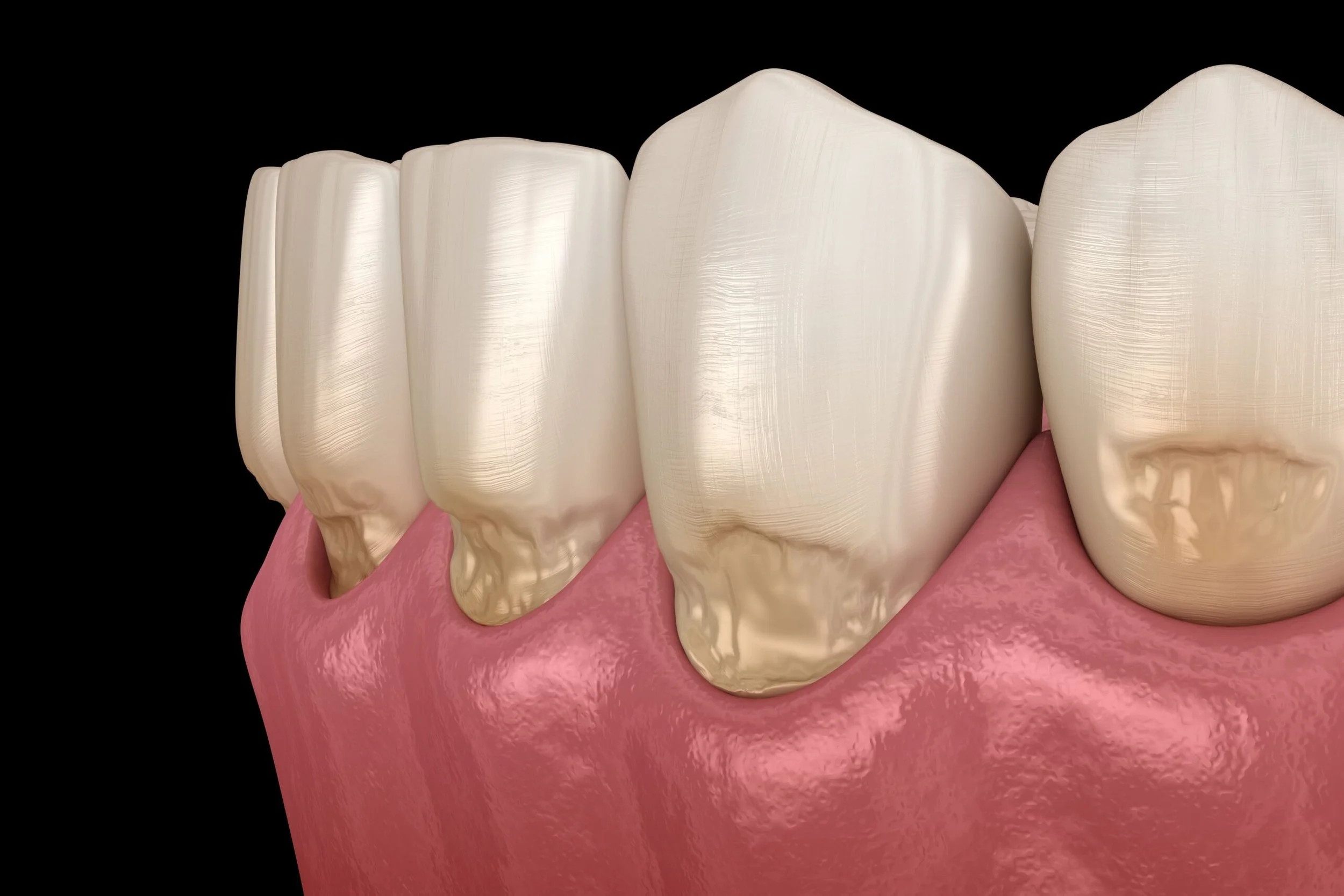
  • Recede or pull away from the teeth

  • Cause bad breath or loose teeth

These may be signs of periodontitis, a more advanced form of gum disease. Don’t wait—early treatment is key.

👩‍⚕️ Final Thoughts from Our Dental Team

Bleeding gums are your mouth’s way of telling you it needs help. With the right oral hygiene routine and professional care, bleeding gums are treatable—and even reversible.

📞 Need Help With Bleeding Gums in Sydney?

At Pain Free Dentist Sydney, we offer gentle, thorough gum care to prevent and treat bleeding gums. Book an appointment today and take the first step toward a healthier smile.

📍 G1a, 570 New Canterbury Road, Hurlstone Park NSW
📞 (02) 9558 8988
📧 info@painfreedentistsydney.com.au

Dental Cavities: What Causes Them and How to Prevent Tooth Decay

What Are Dental Cavities?

Dental cavities, also known as tooth decay or caries, are permanently damaged areas on the surface of your teeth that develop into tiny holes or pits. Left untreated, cavities can grow deeper, leading to pain, infection, or even tooth loss.

What Causes Cavities?

Cavities form when bacteria in your mouth produce acids that erode the enamel (the hard outer layer of your teeth). Here’s a breakdown of how it happens:

  1. Plaque buildup: Bacteria from food and drinks mix with saliva to form a sticky film called plaque.

  2. Sugar intake: Sugars and starches feed the bacteria, producing acid.

  3. Enamel breakdown: Acid attacks the enamel, eventually creating holes or soft spots in the tooth.

  4. Decay spreads: If not treated early, the decay moves deeper into the dentin and pulp.

Risk Factors for Developing Cavities

You're more likely to develop cavities if you:

  • Eat a lot of sugary or acidic foods and drinks

  • Don’t brush and floss regularly

  • Have a dry mouth (low saliva production)

  • Don’t visit the dentist for routine checkups

  • Have deep grooves or pits in your teeth

  • Are a child, teen, or older adult

Early Signs of a Cavity

  • Sensitivity to hot, cold, or sweet foods

  • Visible holes or dark spots on your teeth

  • Toothache or sharp pain when biting down

  • Bad breath or unpleasant taste

  • White or chalky areas on your teeth (early enamel erosion)

How to Prevent Cavities

Good oral hygiene and lifestyle habits are the best way to prevent cavities:

✅ Brush twice a day with fluoride toothpaste
✅ Floss daily to remove plaque between teeth
✅ Limit sugary snacks and drinks
✅ Rinse with a fluoride mouthwash
✅ See your dentist regularly for cleanings and checkups
✅ Ask about fissure sealants or fluoride treatments if you're at high risk

Cavity Treatment Options

  • Fluoride treatment: Can reverse early decay

  • Dental fillings: Restore teeth after decay is removed

  • Crowns: For large or deeply damaged teeth

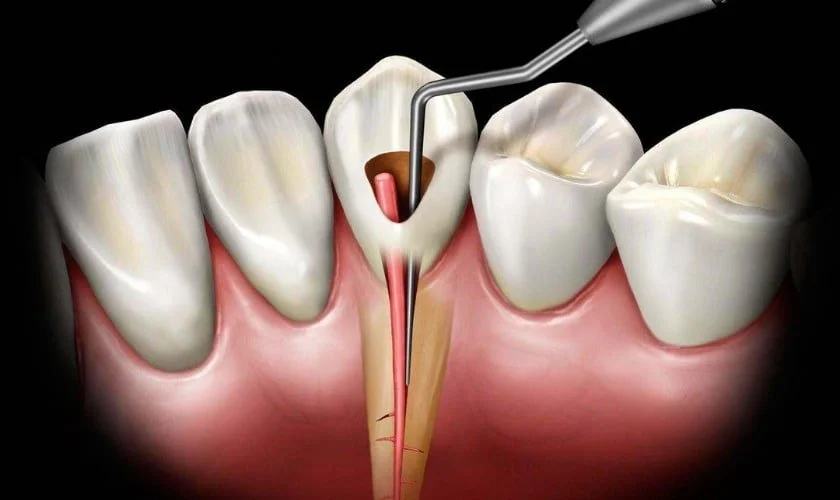
  • Root canal: If the decay reaches the tooth’s nerve

  • Tooth extraction: Only if the damage is too severe

Don’t Wait for Pain—Cavities Can Be Silent

You may not feel a cavity forming. That’s why early detection is key. Regular dental visits help catch decay early before it becomes painful or expensive to fix.

Schedule Your Dental Checkup Today

At Pain Free Dentist Sydney, we’re committed to protecting your smile. From cavity prevention to gentle fillings, we offer personalized care in a calm and friendly setting.

📞 Call us at (02) 9558 8988
📍 Visit our clinic in 570 New Canterbury Rd, Hurlstone Park, NSW, 2193
🌐 Book online at https://painfreedentistsydney.com.au/

Wisdom Teeth Removal: What to Expect Before, During, and After Extraction

What Are Wisdom Teeth?

Wisdom teeth are the third set of molars that typically emerge between ages 17 and 25. Most people have four, but not everyone develops them. When these teeth don’t have enough room to grow, they can become impacted, causing pain, infection, or damage to nearby teeth.

Common Reasons for Wisdom Teeth Removal

Not all wisdom teeth need to be removed, but your dentist may recommend extraction if you have:

  • Impacted wisdom teeth (stuck under the gums or bone)

  • Pain or swelling in the back of your jaw

  • Infection or cyst formation

  • Damage to nearby teeth

  • Tooth crowding after orthodontic treatment

Signs Your Wisdom Teeth May Need Removal

  • Jaw pain or tenderness

  • Swollen or bleeding gums

  • Bad breath or unpleasant taste

  • Difficulty opening your mouth

  • Headaches or earaches

The Wisdom Teeth Removal Procedure: Step by Step

  1. Consultation and X-rays: Your dentist or oral surgeon will assess the position of your wisdom teeth.

  2. Sedation options: You may be offered local anesthesia, IV sedation, or general anesthesia for a pain-free experience.

  3. Extraction: The dentist makes a small incision (if necessary), removes the tooth, and stitches the area.

  4. Recovery begins: You'll rest while your sedation wears off and receive post-op care instructions.

Recovery After Wisdom Teeth Removal

Most people recover in 3–5 days. Here’s what to expect:

  • Day 1–2: Swelling and mild bleeding are common.

  • Day 3–4: Discomfort starts to ease.

  • Day 5–7: You can return to most normal activities.

Quick recovery tips:

  • Use an ice pack for swelling

  • Eat soft foods (e.g., yogurt, mashed potatoes)

  • Avoid straws, smoking, or spitting

  • Take prescribed medication as directed

What If My Wisdom Teeth Aren’t Causing Problems?

Even if your wisdom teeth don’t hurt now, they can cause future issues like crowding, decay, or gum disease. That’s why preventive wisdom tooth extraction is often recommended before complications arise.

Wisdom Teeth Removal in Hurlstone Park

At Pain Free Dentist Sydney, we offer gentle, expert wisdom tooth extractions in a calm, comfortable setting. Whether you’re experiencing pain or need an evaluation, our team is here to help.

Book Your Wisdom Teeth Consultation Today

Don’t wait for pain to strike. Early removal of wisdom teeth can prevent future complications and preserve your smile.

📞 Call us at (02) 9558 8988
📍 Visit us at 570 New Canterbury Rd, Hurlstone Park, NSW, 2193
🌐 Book online at https://painfreedentistsydney.com.au/