Dental Accidents in the Workplace: How Workers’ Compensation Can Help

Introduction

Workplace accidents don’t just cause back injuries or broken bones — they can also result in serious dental injuries. From chipped or knocked-out teeth to jaw fractures, these incidents can impact your ability to eat, speak, and feel confident. Fortunately, in many cases, workers’ compensation (workers’ comp) may cover dental treatment costs.

Common Workplace Dental Accidents

Dental injuries can happen in almost any work environment, but they are more common in jobs that involve physical labor, machinery, or frequent interaction with customers. Examples include:

  • Slips, trips, and falls that cause chipped or broken teeth

  • Being struck in the face by equipment or objects

  • Vehicle accidents during work-related duties

  • Physical altercations or unexpected accidents in customer-facing jobs

  • Repetitive stress injuries leading to jaw pain or TMJ disorders

Types of Dental Injuries Covered by Workers’ Comp

  • Chipped or fractured teeth

  • Knocked-out (avulsed) teeth

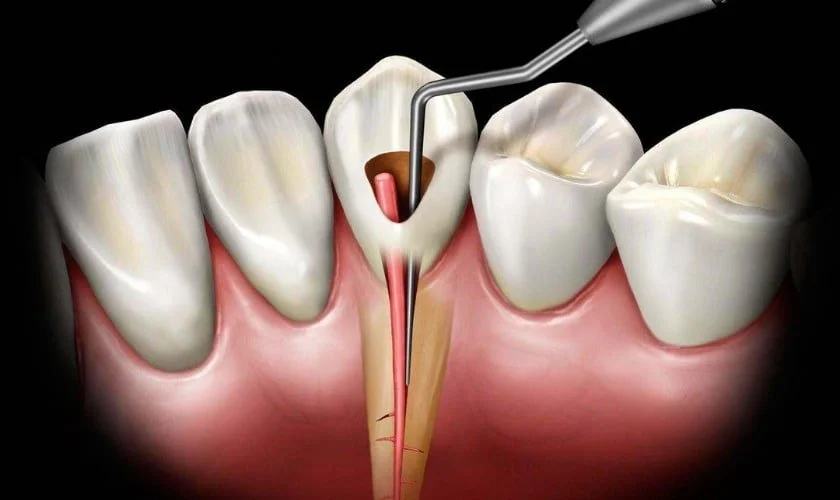
  • Root fractures

  • Jaw injuries or fractures

  • Soft tissue injuries (gums, lips, tongue)

  • Temporomandibular joint (TMJ) disorders related to workplace trauma

How Workers’ Compensation Works for Dental Injuries

Workers’ compensation is an insurance program employers are required to provide for their employees. If you suffer a dental injury at work:

  1. Report the Injury Immediately – Notify your employer as soon as the accident occurs.

  2. Seek Medical and Dental Care – Get emergency treatment if needed, followed by a dental evaluation.

  3. File a Workers’ Comp Claim – Your employer will provide paperwork to start the process.

  4. Coverage May Include:

    • Emergency dental treatment

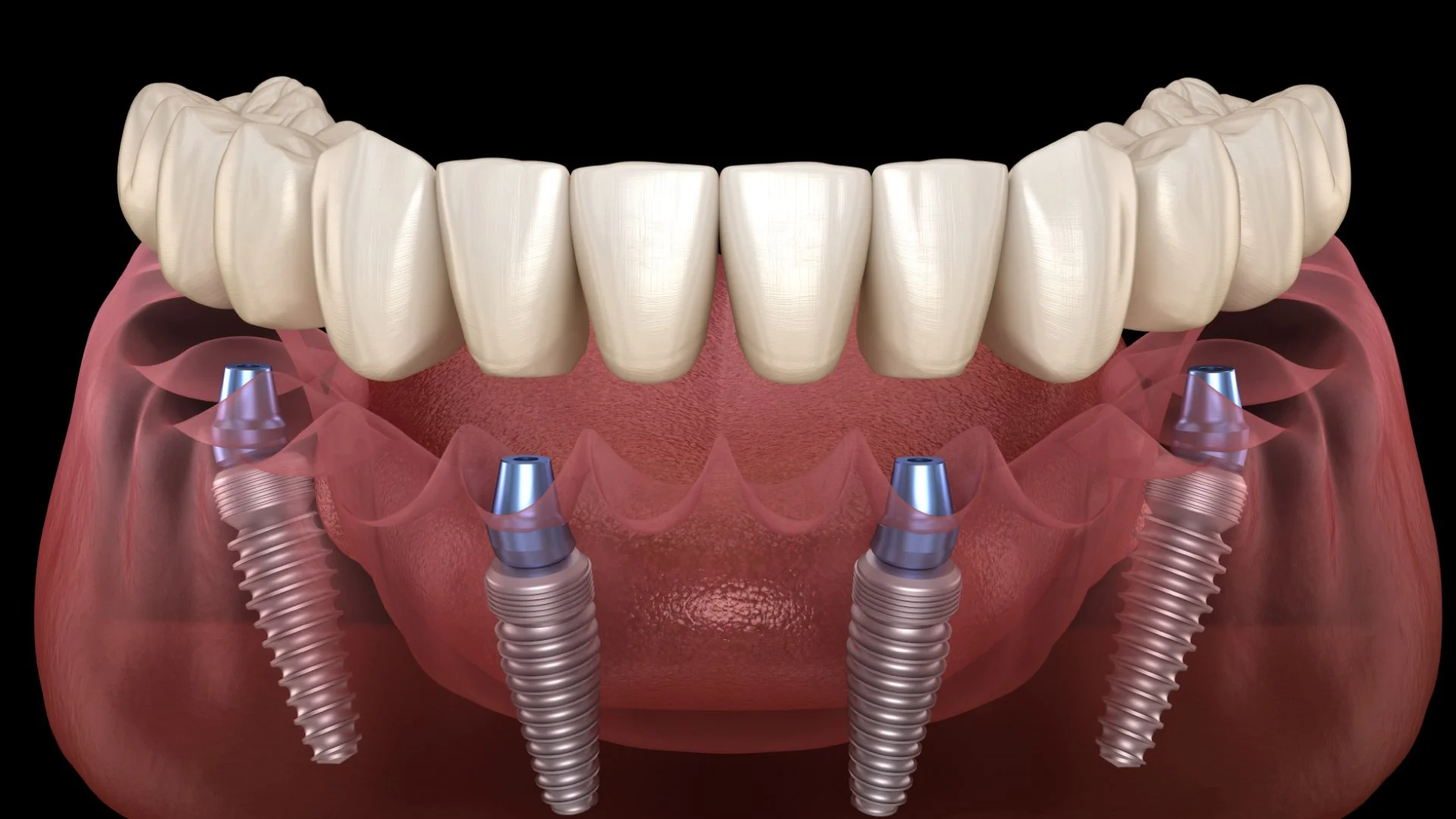
    • Restorative procedures (implants, crowns, bridges)

    • Surgery for jaw or facial injuries

    • Follow-up care and rehabilitation

Challenges in Workers’ Comp for Dental Injuries

  • Proving the injury occurred at work and not outside

  • Getting approval for specialized dental procedures

  • Possible disputes over whether the injury is work-related

This is why accurate documentation and immediate reporting are critical.

What to Do After a Workplace Dental Accident

  • Document the accident and injury with photos and witness reports

  • Keep all medical and dental records

  • Follow your dentist’s and doctor’s instructions closely

  • Consult with a workers’ comp attorney if your claim is denied

Final Thoughts

Dental accidents at work can be painful, costly, and disruptive. Fortunately, workers’ compensation often covers necessary treatments, helping you recover without bearing the financial burden. If you experience a dental injury on the job, act quickly: report the incident, seek dental care, and file your claim. Protecting your smile is part of protecting your overall health.

Dental Implants: A Complete Guide to Restoring Your Smile

Introduction

Missing teeth can affect not only your smile but also your confidence, speech, and ability to eat comfortably. One of the most effective long-term solutions is dental implants. Designed to look, feel, and function like natural teeth, implants have become the gold standard in tooth replacement.

In this guide, we’ll cover what dental implants are, how the procedure works, their benefits, and what patients can expect during recovery.

What Are Dental Implants?

A dental implant is an artificial tooth root, usually made of titanium, that is surgically placed into the jawbone. Once healed, it supports a crown, bridge, or denture, providing a strong and natural-looking replacement tooth.

Benefits of Dental Implants

  • Natural Appearance: Looks and feels like a real tooth.

  • Durability: Can last 20+ years with proper care.

  • Bone Health: Prevents jawbone loss that occurs after tooth loss.

  • Improved Function: Restores chewing and speaking ability.

  • Confidence Boost: Eliminates gaps and restores your smile.

Who Is a Candidate for Dental Implants?

You may be a good candidate if you:

  • Have one or more missing teeth

  • Have healthy gums and sufficient bone density

  • Do not smoke heavily

  • Are in good overall health

If bone loss is present, a bone graft may be recommended before implant placement.

The Dental Implant Procedure

  1. Consultation: X-rays or 3D scans are taken.

  2. Implant Placement: The implant post is surgically inserted into the jawbone.

  3. Healing (Osseointegration): Over several months, the implant fuses with the bone.

  4. Abutment Placement: A small connector attaches to the implant.

  5. Crown Placement: A custom-made crown is placed, completing the smile.

Recovery and Aftercare

  • Mild swelling or discomfort for a few days

  • Soft foods recommended during initial healing

  • Good oral hygiene is essential for long-term success

  • Regular dental check-ups help maintain implants

Dental Implants vs. Other Tooth Replacement Options

  • Implants: Permanent, stable, preserve bone health

  • Bridges: Require adjacent teeth to be filed down

  • Dentures: Removable, less stable, may affect speech and chewing

Final Thoughts

Dental implants are a reliable, long-term solution for missing teeth. With proper care, they can last a lifetime and restore both function and confidence. If you’re considering dental implants, schedule a consultation with a qualified dentist to explore your options.

Airway Congestion and Bruxism: The Hidden Connection

Introduction

Do you grind your teeth at night or wake up with jaw pain? Many people think bruxism (teeth grinding or jaw clenching) is only caused by stress, but research shows that airway congestion — such as blocked nasal passages or sleep-disordered breathing — can play a major role. Understanding this connection can help patients find long-term relief and protect their oral health.

What Is Bruxism?

Bruxism is the involuntary grinding, clenching, or gnashing of teeth, often occurring during sleep. Symptoms include:

  • Worn-down teeth

  • Jaw pain or tightness

  • Headaches upon waking

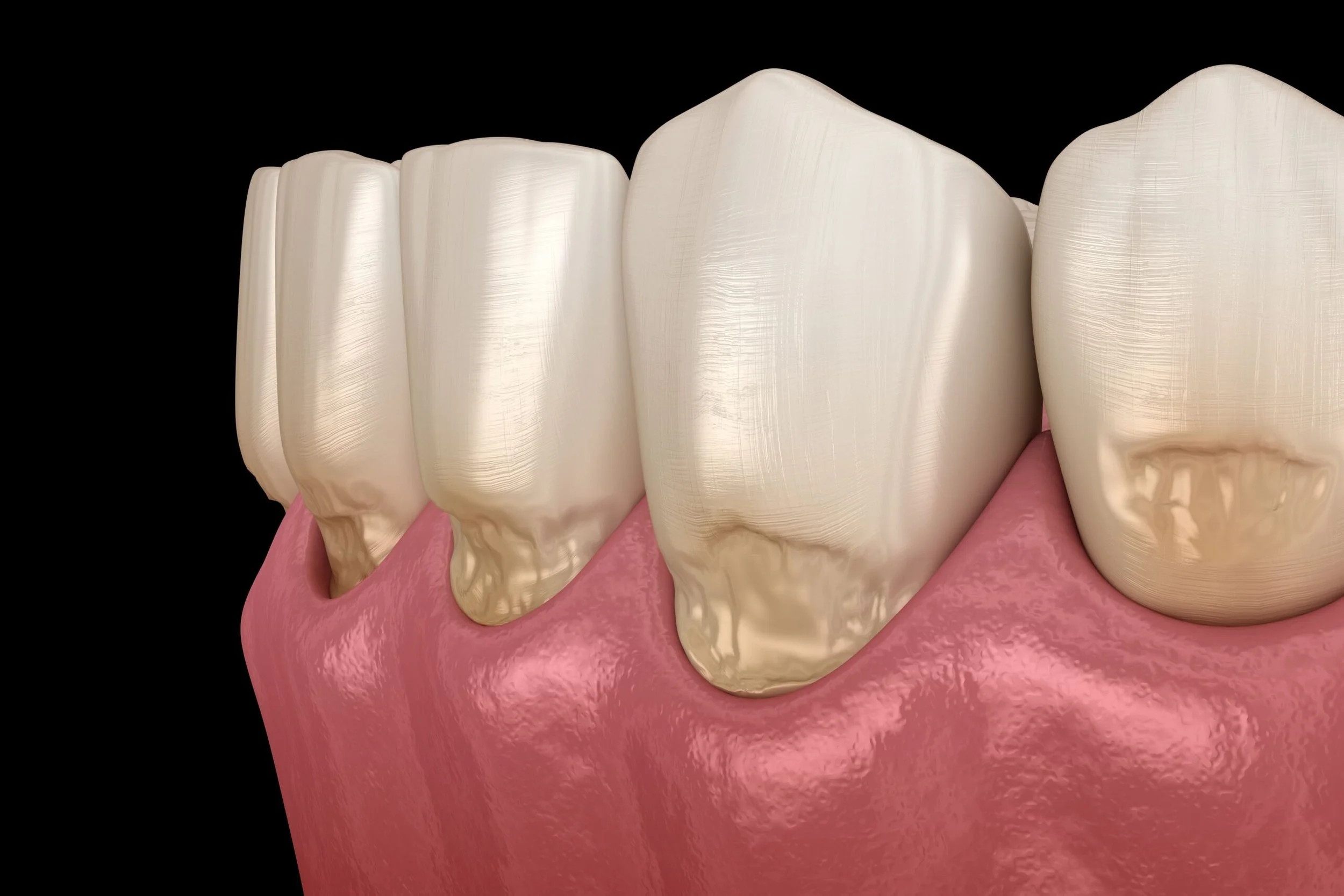
  • Tooth sensitivity

  • Disrupted sleep

What Is Airway Congestion?

Airway congestion happens when your nasal or upper airway passages are partially blocked. This can be due to:

  • Allergies

  • Chronic sinusitis

  • Enlarged tonsils or adenoids

  • Deviated septum

  • Sleep apnea

When your airway is obstructed, your body works harder to breathe at night — which can trigger bruxism.

The Connection Between Airway Congestion and Bruxism

  • Oxygen Restriction: When breathing is difficult, the body responds by clenching the jaw or grinding teeth to open the airway.

  • Sleep Disruption: Poor airflow leads to restless sleep, which increases nighttime bruxism episodes.

  • Stress on the Body: Lack of oxygen elevates stress hormones, making clenching more likely.

Health Risks of Untreated Bruxism

  • Cracked or fractured teeth

  • Worn enamel and sensitivity

  • TMJ (temporomandibular joint) disorders

  • Headaches and neck pain

  • Interrupted sleep quality

How to Manage Bruxism Caused by Airway Congestion

  1. Dental Night Guards: Protect teeth from grinding damage.

  2. Airway Evaluation: ENT specialists can check for nasal or airway blockages.

  3. Allergy Treatment: Reducing congestion may ease grinding.

  4. Sleep Study: If sleep apnea is suspected, testing can provide answers.

  5. Stress Management: Relaxation techniques can help reduce bruxism intensity.

Final Thoughts

Airway congestion and bruxism are closely linked, and treating one often improves the other. If you suspect your teeth grinding is connected to breathing issues, talk to both your dentist and a sleep specialist for a comprehensive treatment plan.