
Root Canal Treatment: Relief for Infected or Damaged Teeth

Introduction

If you’re experiencing severe tooth pain, sensitivity, or swelling, you might need a root canal treatment. Despite its reputation, modern root canal procedures are safe, effective, and often relieve pain rather than cause it. Root canal therapy saves your natural tooth and prevents the need for extraction.

What Is a Root Canal?

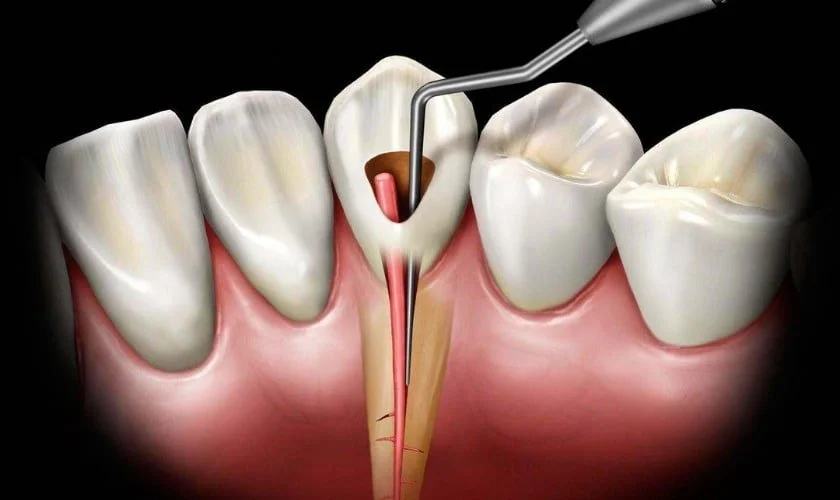
A root canal is a dental procedure used to treat the pulp inside the tooth, which contains nerves and blood vessels. Infection or inflammation in the pulp can cause pain, abscesses, or swelling. During treatment, the dentist removes the infected pulp, cleans and shapes the canal, and seals it to prevent future infection.

Signs You Might Need a Root Canal

  • Severe toothache or throbbing pain

  • Sensitivity to hot or cold foods and drinks

  • Swollen or tender gums

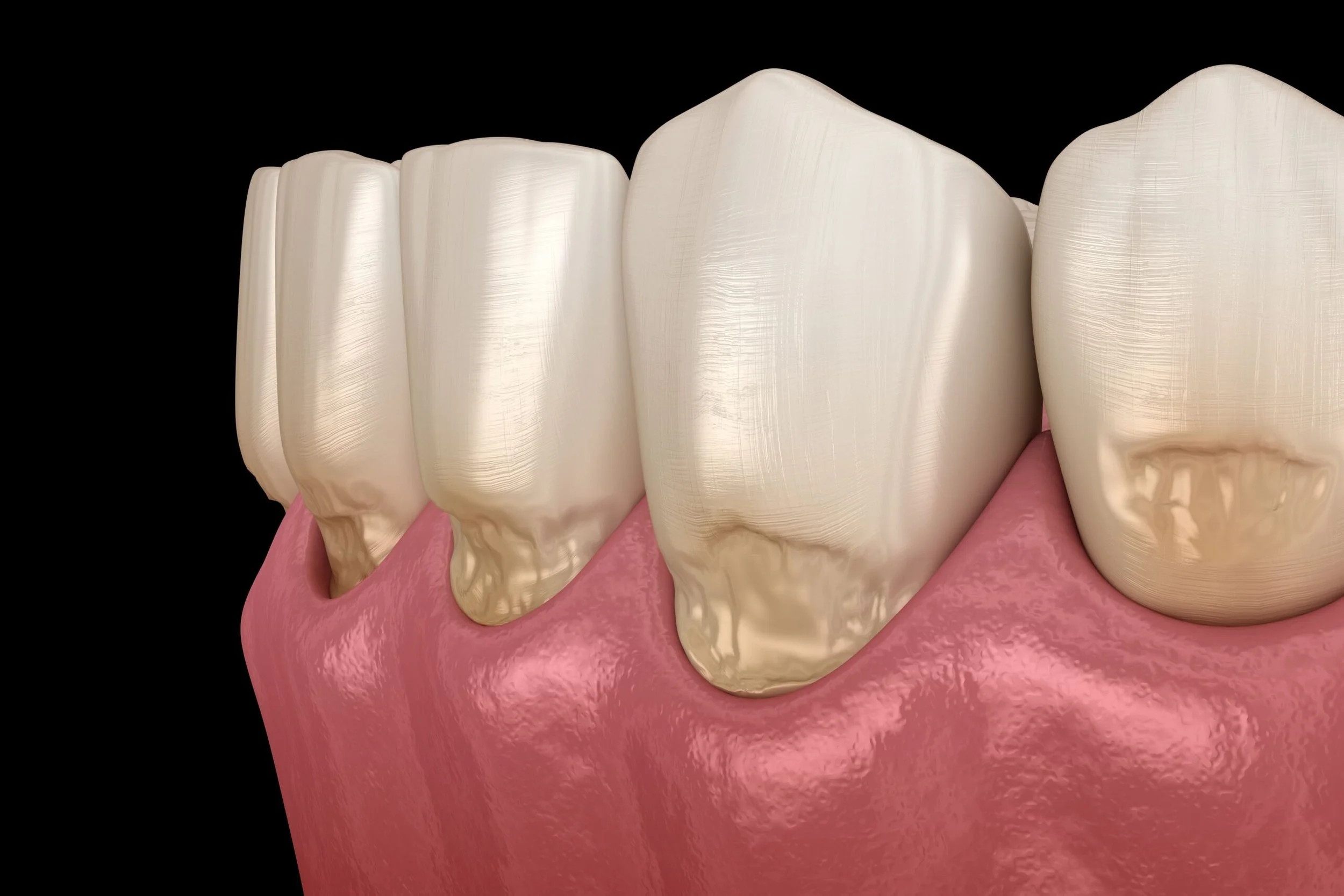
  • Darkening of the tooth

  • Pain when chewing or biting

  • Persistent pimple on the gums

Steps in a Root Canal Procedure

  1. Examination and X-rays: Dentist evaluates the tooth and surrounding bone.

  2. Anesthesia: Local anesthesia numbs the area for a pain-free procedure.

  3. Access Opening: Tooth is opened to reach the pulp chamber.

  4. Cleaning the Canal: Infected pulp is removed, and canals are cleaned and shaped.

  5. Filling the Canal: Canals are sealed with a biocompatible material (gutta-percha).

  6. Restoration: A crown or filling is placed to restore the tooth’s function.

Benefits of Root Canal Treatment

  • Saves your natural tooth

  • Relieves pain and infection

  • Prevents the need for extraction and dental implants

  • Maintains proper chewing and bite alignment

  • Preserves your smile and facial structure

Aftercare Tips

  • Avoid chewing on the treated tooth until fully restored

  • Take prescribed pain medications if needed

  • Maintain good oral hygiene (brushing and flossing)

  • Attend follow-up visits to ensure proper healing

Root Canal vs. Tooth Extraction

  • Root Canal: Saves your natural tooth, prevents shifting of adjacent teeth, maintains jawbone structure.

  • Extraction: Removes the tooth, may require dental implants or bridges to restore function, can lead to bone loss over time.

Final Thoughts

Root canal treatment is a reliable and effective way to treat infected or damaged teeth while preserving your natural smile. Modern techniques make it virtually painless, and the benefits far outweigh the myths. If you have persistent tooth pain or sensitivity, consult your dentist promptly to explore whether a root canal is the right solution.

All-on-6 Dental Implants: A Complete Solution for Full Arch Tooth Replacement

Introduction

For patients with multiple missing teeth or those who need a full arch replacement, All-on-6 dental implants provide a stable, long-lasting, and natural-looking solution. Using six strategically placed implants, this procedure supports a full set of replacement teeth, restoring both function and confidence.

What Are All-on-6 Dental Implants?

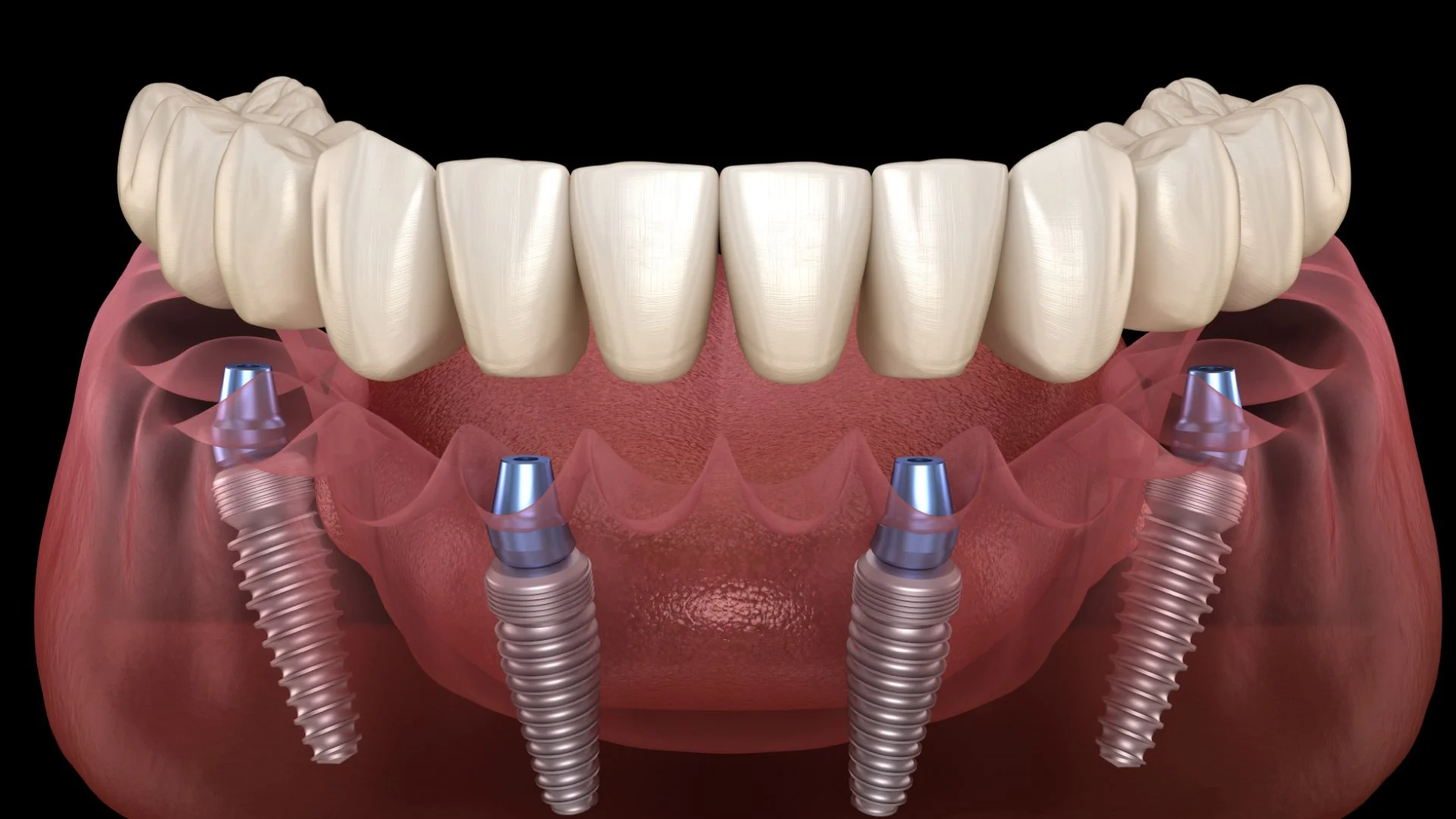
All-on-6 implants involve placing six dental implants in the upper or lower jaw to anchor a full arch of prosthetic teeth. Compared to traditional dentures, this method offers superior stability, improved chewing efficiency, and long-term oral health benefits.

Benefits of All-on-6 Dental Implants

  • Stable and Secure: No slipping or shifting like traditional dentures.

  • Bone Preservation: Implants stimulate the jawbone, preventing bone loss.

  • Improved Function: Chew, speak, and smile confidently.

  • Faster Recovery: Compared to placing individual implants for every tooth.

  • Natural Appearance: Restores a natural smile with a custom prosthetic.

  • Long-Lasting: With proper care, All-on-6 implants can last decades.

Who Is a Candidate for All-on-6 Implants?

Ideal candidates include:

  • Patients with multiple missing teeth or failing teeth

  • Those seeking a permanent alternative to dentures

  • Individuals with sufficient jawbone density (bone grafting may be needed otherwise)

  • Good overall health and commitment to oral hygiene

The All-on-6 Implant Procedure

  1. Consultation and Planning: Digital scans and X-rays assess bone structure and alignment.

  2. Implant Placement: Six titanium implants are strategically positioned in the jaw.

  3. Temporary Prosthesis: A temporary set of teeth may be placed while healing occurs.

  4. Osseointegration: The implants fuse with the jawbone over several months.

  5. Permanent Prosthetic: Custom-designed full arch is attached, completing the restoration.

Recovery and Aftercare

  • Initial swelling and discomfort are normal.

  • Soft foods are recommended during the first few weeks.

  • Maintain excellent oral hygiene to ensure longevity.

  • Regular dental visits are essential for monitoring and maintenance.

All-on-6 vs. All-on-4 vs. Traditional Dentures

  • All-on-6: Six implants for maximum support and stability, ideal for patients with more bone.

  • All-on-4: Uses four implants, may require bone grafts if bone density is low.

  • Traditional Dentures: Removable, can slip, may cause bone loss over time.

Final Thoughts

All-on-6 dental implants offer a durable, functional, and aesthetically pleasing solution for patients who need a full arch replacement. By combining the strength of six implants with a custom prosthetic, patients can enjoy restored oral function, improved confidence, and a long-lasting smile.

Baby Tongue Tie: Signs, Treatment, and What Parents Should Know

Introduction

If your newborn is struggling to latch during breastfeeding or seems unusually fussy while feeding, they may have a tongue tie. Also known as ankyloglossia, tongue tie happens when the thin tissue (lingual frenulum) under the tongue is too short or tight, restricting tongue movement.

Tongue tie in babies is fairly common, and with early diagnosis, treatment can make a big difference in feeding and development.

What Is Baby Tongue Tie?

Tongue tie is a condition present at birth where the tongue cannot move freely due to a restrictive frenulum. This can make it harder for infants to breastfeed, bottle-feed, or use their tongue normally.

Signs of Tongue Tie in Babies

Parents may notice:

  • Difficulty latching during breastfeeding

  • Clicking sounds while feeding

  • Poor weight gain due to feeding problems

  • Long feeding sessions or frustration at the breast

  • Sore nipples or pain for breastfeeding mothers

  • Limited tongue movement (tongue can’t reach roof of mouth)

How Tongue Tie Affects Babies

  • Feeding: Babies may not get enough milk, leading to slow weight gain.

  • Oral Development: Restricted tongue mobility can affect swallowing and oral motor function.

  • Speech (later on): Severe tongue tie can impact pronunciation as the child grows.

Treatment Options for Baby Tongue Tie

  1. Frenotomy (Tongue Tie Release): A quick in-office procedure where the frenulum is snipped with sterile scissors or a laser.

  2. Frenuloplasty: A more involved surgical option for severe cases.

  3. Lactation Support: Working with a lactation consultant before and after treatment helps improve feeding.

Most babies can feed immediately after a frenotomy, and mothers often notice an improvement right away.

Aftercare and Recovery

  • Feeding soon after release helps with healing.

  • Gentle tongue exercises may be recommended.

  • Babies usually recover quickly with minimal discomfort.

Should You Treat Baby Tongue Tie?

Not every baby with a tongue tie needs treatment. Some feed well despite the restriction. However, if feeding is painful, ineffective, or affecting growth, treatment is often recommended.

Final Thoughts

Baby tongue tie is a treatable condition that can significantly impact feeding and development if left unaddressed. If you suspect your baby has a tongue tie, consult your pediatrician, dentist, or lactation consultant for an evaluation. Early intervention often leads to smoother feeding, better growth, and fewer complications later in life.