
Dental Implant Bridge: A Modern Solution for Multiple Missing Teeth

Introduction

If you’re missing several teeth in a row, you may be wondering whether to choose a traditional bridge, partial denture, or dental implants. A dental implant bridge offers the best of both worlds — the stability of implants and the natural look of a bridge. It’s a long-lasting, functional, and comfortable solution for restoring your smile.

What Is a Dental Implant Bridge?

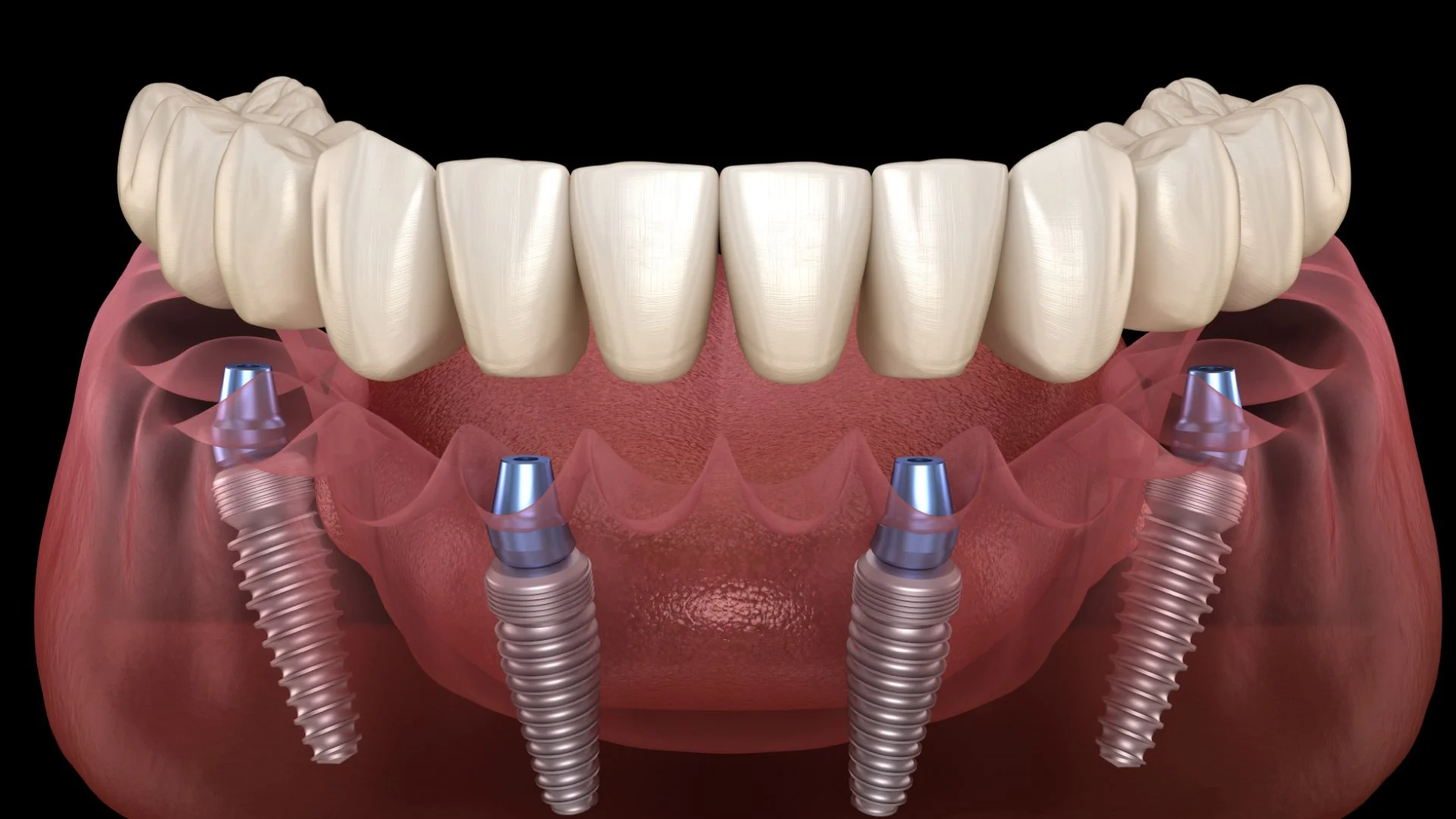
A dental implant bridge is a prosthetic device used to replace two or more missing teeth. Instead of relying on natural teeth for support, the bridge is anchored to dental implants placed in the jawbone.

This makes it stronger and more durable than a traditional bridge, while also preserving healthy teeth.

Benefits of a Dental Implant Bridge

  • Stronger Support: Implants fuse with the jawbone, creating a stable foundation.

  • Protects Healthy Teeth: No need to reshape or crown adjacent teeth.

  • Bone Preservation: Prevents bone loss in the jaw where teeth are missing.

  • Improved Function: Restores natural chewing and speaking ability.

  • Long-Lasting: With proper care, can last decades.

  • Natural Appearance: Looks and feels like your real teeth.

Who Is a Candidate for an Implant Bridge?

You may be a good candidate if you:

  • Have two or more missing teeth in a row

  • Have healthy gums and sufficient jawbone density

  • Are in good overall health

  • Do not smoke heavily (as smoking can affect healing)

If you’ve experienced bone loss, a bone graft may be recommended before implant placement.

The Dental Implant Bridge Procedure

  1. Consultation: Dental exam, X-rays, or 3D scans.

  2. Implant Placement: Titanium posts are surgically inserted into the jawbone.

  3. Healing (Osseointegration): Bone fuses with implants over 3–6 months.

  4. Abutment Placement: Connectors are attached to implants.

  5. Bridge Placement: A custom-made bridge is secured to the implants.

How Long Does a Dental Implant Bridge Last?

With excellent oral hygiene and regular dental checkups, an implant-supported bridge can last 15+ years or even a lifetime.

Cost of a Dental Implant Bridge

Costs vary depending on the number of implants, the type of bridge, and geographic location. While more expensive than traditional bridges upfront, implant bridges are more cost-effective long-term because they last longer and help prevent future dental problems.

Caring for a Dental Implant Bridge

  • Brush and floss daily (use a water flosser for hard-to-reach areas)

  • Avoid excessive force on the implants (chewing ice, hard candy)

  • Maintain regular dental visits for cleaning and monitoring

  • Follow your dentist’s aftercare instructions carefully

Final Thoughts

A dental implant bridge is one of the most advanced and reliable solutions for replacing multiple missing teeth. It restores function, preserves bone health, and provides a natural, confident smile. If you’re considering your tooth replacement options, ask your dentist if an implant bridge is right for you.

Teeth Grinding (Bruxism): Causes, Symptoms, and Treatment Options

Introduction

Do you wake up with jaw pain, headaches, or sensitive teeth? You may be experiencing teeth grinding, also known as bruxism. This condition involves clenching or grinding the teeth, often during sleep, and can lead to long-term dental and health problems if left untreated.

What Is Teeth Grinding (Bruxism)?

Bruxism is the involuntary habit of grinding or clenching teeth. It can happen during the day (awake bruxism) or at night (sleep bruxism).

Common Causes of Teeth Grinding

  • Stress & Anxiety: Emotional tension is a leading cause.

  • Sleep Disorders: Conditions like sleep apnea increase risk.

  • Misaligned Bite: Crooked or missing teeth can trigger grinding.

  • Medications: Certain antidepressants are linked to bruxism.

  • Lifestyle Factors: Excess caffeine, alcohol, or smoking may worsen grinding.

Signs and Symptoms

  • Worn or flattened teeth

  • Tooth sensitivity or pain

  • Jaw soreness or tightness

  • Headaches, especially in the morning

  • Cracked or chipped teeth

  • Clicking or popping in the jaw (TMJ symptoms)

  • Disrupted sleep

Health Risks of Untreated Teeth Grinding

If left unmanaged, bruxism can cause:

  • Severe tooth damage or fractures

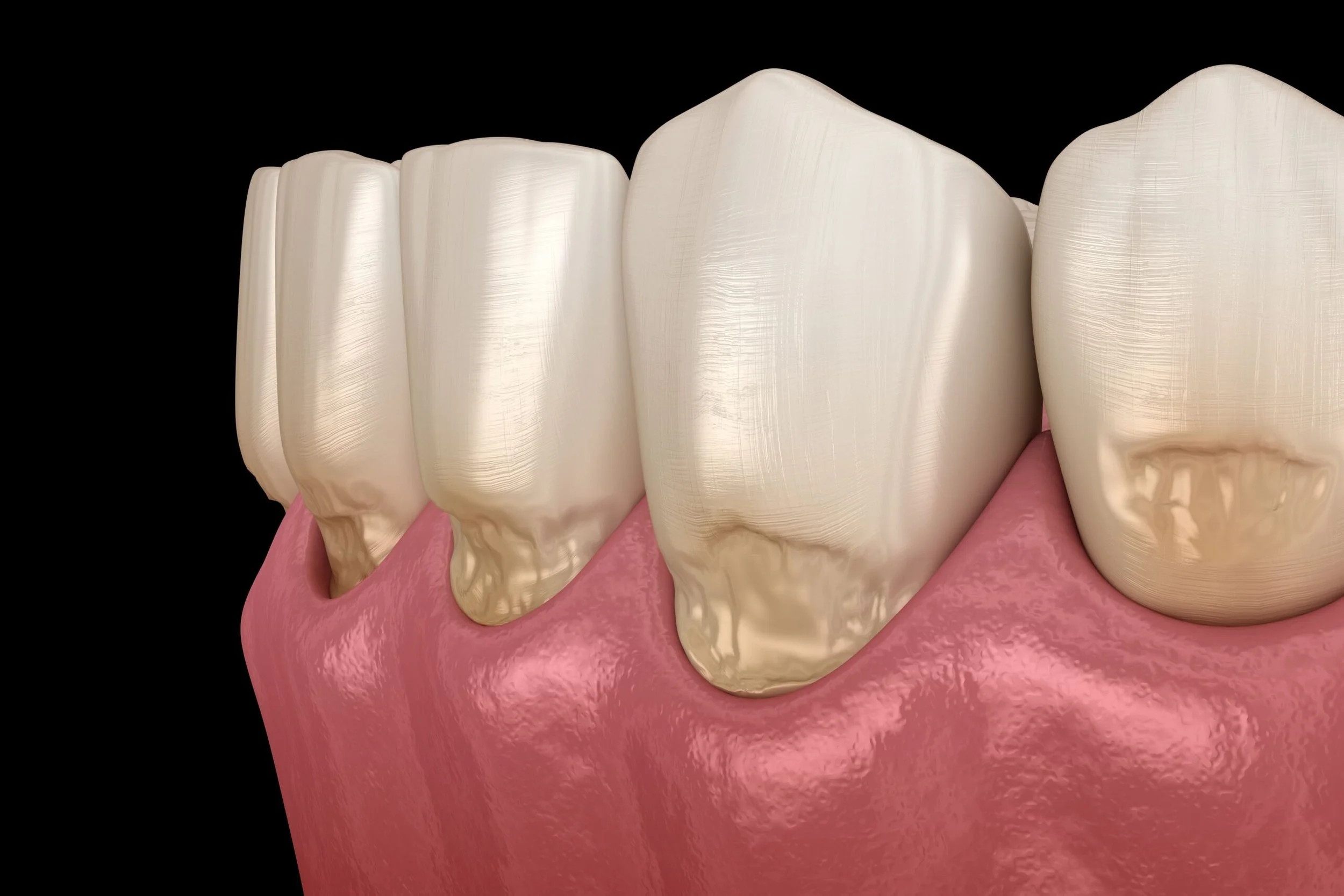
  • Gum recession

  • TMJ disorders

  • Chronic headaches

  • Sleep disturbances

Treatment Options for Teeth Grinding

  1. Custom Night Guards: Protect teeth from further wear.

  2. Stress Management: Relaxation techniques to reduce clenching.

  3. Dental Corrections: Orthodontic treatment for bite alignment.

  4. Lifestyle Adjustments: Reducing caffeine, alcohol, and smoking.

  5. Medical Treatments: Botox injections may help with severe cases.

  6. Sleep Evaluation: Addressing airway issues or sleep apnea.

Self-Care Tips for Managing Teeth Grinding

  • Apply a warm compress to relax jaw muscles.

  • Practice jaw relaxation exercises.

  • Avoid chewing gum or hard foods at night.

  • Maintain a calming bedtime routine.

Final Thoughts

Teeth grinding is more than just an annoying habit — it can cause significant dental damage and jaw pain over time. With the right treatment plan, including night guards, stress reduction, and professional care, you can protect your teeth and improve your overall quality of life. If you suspect bruxism, schedule a dental evaluation to discuss your treatment options.

Adult Tongue Tie: Symptoms, Treatment, and Why It Matters

Introduction

When most people think of tongue tie, they imagine a condition diagnosed in infants. But tongue tie — medically called ankyloglossia — can persist into adulthood and cause a range of issues. From difficulty speaking clearly to jaw pain and even sleep problems, adult tongue tie is often overlooked.

In this blog, we’ll explore the signs of tongue tie in adults, its effects, and the treatment options available.

What Is Tongue Tie?

Tongue tie occurs when the lingual frenulum — the thin band of tissue under the tongue — is too short or tight. This restricts tongue movement and can interfere with oral function. While commonly diagnosed in children, many adults live with untreated tongue tie for years.

Symptoms of Adult Tongue Tie

  • Difficulty pronouncing certain words or sounds

  • Speech fatigue (jaw or tongue gets tired when speaking)

  • Trouble licking lips or eating certain foods

  • Clicking jaw or TMJ discomfort

  • Mouth breathing or snoring at night

  • Sleep-disordered breathing or mild sleep apnea

  • Dental problems (crowding, gum recession, or bruxism)

How Adult Tongue Tie Affects Daily Life

  • Speech: May cause unclear pronunciation or a lisp.

  • Oral Health: Limited tongue movement can make cleaning teeth harder, leading to plaque buildup.

  • Sleep & Breathing: Restricted tongue posture may contribute to airway issues.

  • Jaw Pain: Can cause strain in the jaw, neck, and shoulders.

  • Self-Esteem: Speech or appearance concerns may affect confidence.

Treatment Options for Adult Tongue Tie

  1. Frenectomy (Tongue Tie Release): A minor surgical procedure to release the frenulum using scissors, laser, or electrosurgery.

  2. Myofunctional Therapy: Exercises to retrain tongue and facial muscles before and after release.

  3. Speech Therapy: Improves pronunciation and strengthens oral function.

  4. Comprehensive Care: Some patients may need orthodontic or airway-focused treatment alongside a frenectomy.

Recovery After Frenectomy

  • Mild soreness for a few days

  • Stretching exercises recommended to prevent reattachment

  • Gradual improvement in speech, tongue mobility, and sometimes even sleep quality

Final Thoughts

Adult tongue tie is more common than most people realize. If you’ve struggled with speech difficulties, jaw pain, or airway problems, getting evaluated for tongue tie could provide answers. With modern treatment options like laser frenectomy and supportive therapy, adults can achieve lasting improvements in oral health, comfort, and confidence.