
Gum Disease: Serious Health Warnings You Should Never Ignore

Gum disease, also known as periodontal disease, is one of the most common oral health conditions affecting adults worldwide. While many people assume bleeding gums or bad breath are minor dental issues, untreated gum disease can lead to severe oral damage and has been linked to serious overall health problems.

In this article, we’ll explain what gum disease is, the warning signs to watch for, and how it can impact your total health — not just your smile.

What Is Gum Disease?

Gum disease is an infection of the tissues that support your teeth. It’s caused by plaque buildup — a sticky film of bacteria that forms on teeth when oral hygiene is inadequate.

There are two main stages:

1. Gingivitis (Early Gum Disease)

  • Red, swollen, or tender gums

  • Bleeding when brushing or flossing

  • Persistent bad breath

Gingivitis is reversible with proper dental care and professional cleanings.

2. Periodontitis (Advanced Gum Disease)

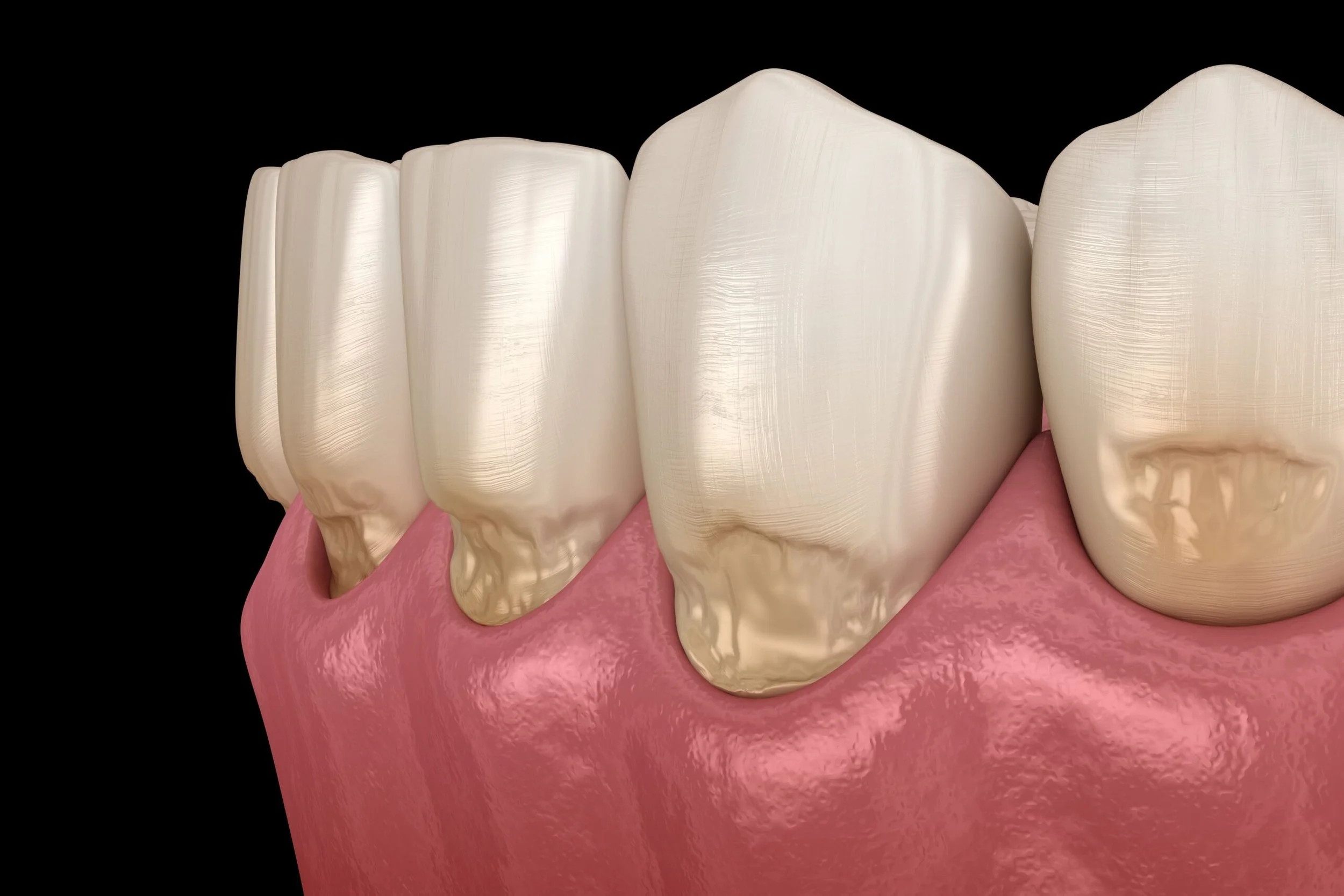
  • Gum recession (gums pulling away from teeth)

  • Loose or shifting teeth

  • Pus between gums and teeth

  • Pain when chewing

At this stage, the damage is permanent and may lead to tooth loss if untreated.

Warning Signs of Gum Disease You Shouldn’t Ignore

Many people don’t feel pain in the early stages of gum disease, which is why it often goes unnoticed. Watch for these key symptoms:

  • Bleeding gums (especially during brushing or flossing)

  • Chronic bad breath or bad taste in the mouth

  • Swollen, red, or tender gums

  • Gums that appear to be pulling away from the teeth

  • Loose teeth or changes in bite alignment

If you notice any of these signs, it’s important to see a dentist as soon as possible.

Health Risks Linked to Gum Disease

Gum disease doesn’t just affect your mouth. Research shows a strong connection between periodontal disease and several serious health conditions.

Heart Disease and Stroke

Bacteria from infected gums can enter the bloodstream and contribute to inflammation in blood vessels. This inflammation may increase the risk of:

  • Heart disease

  • Blocked arteries

  • Stroke

Diabetes Complications

People with diabetes are more prone to gum disease — and gum disease can make diabetes harder to control. The inflammation can interfere with blood sugar regulation, creating a dangerous cycle.

Respiratory Problems

Oral bacteria can be inhaled into the lungs, increasing the risk of:

  • Pneumonia

  • Chronic respiratory infections

Pregnancy Risks

Untreated gum disease has been linked to:

  • Premature birth

  • Low birth weight babies

Pregnant patients should pay extra attention to gum health during routine dental visits.

Weakened Immune System

Chronic infection in the gums forces the immune system to stay in a constant state of inflammation, potentially weakening the body’s ability to fight other infections.

How Gum Disease Is Treated

Treatment depends on the severity of the condition:

  • Professional dental cleanings to remove plaque and tartar

  • Scaling and root planing (deep cleaning below the gumline)

  • Antibacterial rinses or medications

  • Periodontal therapy or surgery for advanced cases

Early detection is key to preventing long-term damage.

How to Prevent Gum Disease

Good oral hygiene and regular dental care are your best defenses:

  • Brush twice daily with fluoride toothpaste

  • Floss every day

  • Use an antimicrobial mouthwash

  • Avoid tobacco products

  • Schedule regular dental checkups and cleanings

Final Thoughts: Don’t Ignore Gum Disease

Gum disease is more than a dental issue — it’s a serious health warning sign. Bleeding gums, chronic bad breath, or gum recession should never be ignored. With early treatment and consistent care, gum disease can be managed and its health risks reduced.

If you’re experiencing symptoms of gum disease, schedule a dental appointment today. Your smile — and your overall health — depend on it.

Take control of your gum health today.
Call 9558 8988, email info@painfreedentistsydney.com.au, or book online to schedule your dental consultation and prevent gum disease before it leads to serious health problems.

Understanding Tongue Tie and Lip Tie in Babies: Gentle Solutions at Pain Free Dentist Sydney

As parents, seeing your baby struggle with feeding can be worrying. Often, conditions like tongue tie or lip tie are the hidden causes of feeding difficulties, speech delays, or even dental issues later in life. At Pain Free Dentist Sydney, we specialize in safe, precise, and gentle treatment using scissors cuts—no lasers, no drills, just careful hands-on care.

What is Tongue Tie?

Tongue tie (ankyloglossia) occurs when the strip of tissue under the tongue, called the frenulum, is shorter or tighter than usual. This restriction can make it hard for babies to latch correctly during breastfeeding, leading to:

  • Poor weight gain

  • Nipple pain for the mother

  • Fussiness or frequent feeding

Left untreated, tongue tie can sometimes affect speech development, oral hygiene, and even the shape of the jaw.

What is Lip Tie?

Lip tie happens when the tissue connecting the upper lip to the gum is unusually tight. While it may seem minor, lip tie can contribute to:

  • Difficulty creating a good seal for breastfeeding

  • Gaps between front teeth

  • Speech or dental issues later in childhood

In many cases, babies have both tongue and lip ties, which can compound feeding difficulties.

How We Treat Tongue and Lip Tie at Pain Free Dentist Sydney

At Pain Free Dentist Sydney, we understand that parents want the safest and least stressful solution for their little ones. That’s why we use scissors for the release, a method that:

  • Is quick and precise

  • Minimizes discomfort and trauma

  • Avoids lasers or other invasive tools

  • Allows immediate improvement in feeding

Our experienced pediatric team ensures your baby’s comfort and safety throughout the procedure. Most parents notice a difference in feeding right away, often with less fussiness and easier latching.

Why Choose Pain Free Dentist Sydney?

  • Pain-free approach: Gentle, careful care using only scissors

  • Experienced pediatric care: We specialize in treating babies and toddlers

  • Immediate results: Most babies feed better immediately after the release

  • Supportive environment: Calm, friendly clinic designed for families

Signs Your Baby May Have a Tongue or Lip Tie

  • Trouble latching during breastfeeding

  • Clicking sounds while feeding

  • Poor weight gain or slow feeding

  • Reflux or excessive gas

  • Gaps between baby teeth

If you notice these signs, it’s worth booking a consultation. Early intervention can make a big difference in your baby’s comfort, feeding, and long-term oral health.

Book Your Pain-Free Consultation Today
Don’t let tongue or lip tie affect your baby’s feeding or comfort. Contact Pain Free Dentist Sydney for a gentle, effective release using scissors, and give your little one the best start in life.

📞 Call us now at (02) 9558 8988 or book online to schedule your appointment!

How Botox Can Help Relieve TMJ Pain

Introduction
If you suffer from jaw pain, headaches, or teeth grinding, you may be dealing with TMJ disorder (TMD). While mouthguards and physical therapy help many patients, some people need extra relief. One increasingly popular option is Botox for TMJ.

What Is TMJ Disorder?

TMJ refers to the temporomandibular joint, which connects your jaw to your skull. Problems with this joint or the surrounding muscles can cause:

  • Jaw pain or tightness

  • Clicking or popping sounds

  • Headaches or migraines

  • Facial pain

  • Teeth grinding or clenching (bruxism)

  • Difficulty opening or closing the mouth

TMJ issues are often caused by overactive jaw muscles, stress, or chronic clenching.

How Does Botox Help TMJ?

Botox works by relaxing overactive muscles. When injected into specific jaw muscles (usually the masseter and temporalis muscles), Botox:

  • Reduces muscle tension

  • Decreases jaw clenching and grinding

  • Relieves pain and pressure

  • Improves jaw movement

By calming the muscles, Botox allows the joint to rest and heal.

Benefits of Botox for TMJ

Patients often choose Botox because it is:

  • ✅ Non-surgical

  • ✅ Quick (appointments usually take 15–30 minutes)

  • ✅ Minimally invasive

  • ✅ Effective for chronic jaw pain

  • ✅ Helpful when night guards alone aren’t enough

Many patients notice relief within 1–2 weeks, with results lasting 3–4 months.

What to Expect During Treatment

  1. A consultation to evaluate your TMJ symptoms

  2. Small, precise injections into targeted jaw muscles

  3. Little to no downtime — you can return to normal activities the same day

Most patients describe the injections as mildly uncomfortable but very tolerable.

Is Botox for TMJ Safe?

Yes — when performed by a trained dental professional, Botox is safe and well-studied. Side effects are usually mild and temporary, such as slight soreness or fatigue in the jaw muscles.

Is Botox Right for You?

Botox may be a good option if you:

  • Have chronic TMJ pain

  • Clench or grind your teeth frequently

  • Experience tension headaches or facial pain

  • Haven’t found relief with traditional treatments

A proper evaluation is essential to determine if it’s the best solution for your specific needs.

Final Thoughts

TMJ pain can affect your daily life, sleep, and overall comfort. Botox offers a modern, effective solution for patients seeking long-lasting relief without surgery. When administered by a trained dental professional, it can significantly reduce jaw tension, clenching, headaches, and facial pain.

If you’re struggling with TMJ symptoms and want to explore whether Botox is right for you, we’re here to help.

📞 Call us now at (02) 9558 8988
📧 Email: info@painfreedentistsydney.com.au
💻 Or book your appointment online for a consultation at your convenience

Relief from TMJ pain may be closer than you think.