Botox for TMJ Pain: An In-Depth Guide to Relief and Treatment

Temporomandibular joint (TMJ) disorders can cause jaw pain, headaches, teeth grinding, and facial tension that interfere with daily life. Traditional treatments such as night guards, physiotherapy, and medications sometimes offer limited relief. Botox injections have emerged as a highly effective, minimally invasive solution for managing TMJ-related pain.

This guide dives deeper into how Botox works for TMJ, what to expect from treatment, and why it’s becoming a preferred option for many patients.

Understanding TMJ Disorders

The TMJ connects your jawbone to your skull, allowing for movements like chewing, speaking, and yawning. Dysfunction in this joint or surrounding muscles can lead to:

  • Chronic jaw pain or stiffness

  • Clicking, popping, or grinding sounds

  • Headaches, neck pain, and facial discomfort

  • Difficulty chewing or limited jaw movement

Causes include trauma, teeth grinding (bruxism), stress, poor posture, and misaligned bites.

How Botox Works for TMJ Pain

Botox (botulinum toxin) works by temporarily relaxing overactive muscles responsible for jaw clenching and tension. This targeted muscle relaxation can:

  • Reduce jaw tension and stiffness

  • Minimize teeth grinding and clenching

  • Alleviate TMJ-related headaches and facial pain

  • Improve jaw function and mobility

Effects typically last 3–6 months, after which repeat treatment may be recommended for ongoing relief.

The Botox Procedure for TMJ

  • Assessment: Your dentist evaluates your jaw, bite, and muscle activity to identify injection sites.

  • Injection: Small amounts of Botox are injected directly into overactive jaw muscles.

  • Comfort: Local anesthesia or numbing gels may be used to reduce discomfort.

  • Recovery: Minimal downtime; most patients return to normal activities immediately.

Many patients notice pain reduction within days, with full benefits appearing over 1–2 weeks.

Who Can Benefit from Botox for TMJ?

  • Patients with chronic jaw pain or tension unrelieved by traditional therapies

  • Those suffering from severe bruxism

  • Individuals experiencing TMJ-related headaches or facial pain

  • Patients seeking a non-surgical, minimally invasive alternative

A comprehensive consultation ensures suitability and personalized treatment planning.

Advantages of Botox Over Other Treatments

  • Non-surgical: Avoids the risks and recovery time associated with surgery

  • Targeted: Treats specific muscles contributing to TMJ pain

  • Quick and convenient: Procedure typically completed in under 30 minutes

  • Complementary: Works alongside night guards, physiotherapy, and stress management

  • Improves quality of life: Reduces chronic pain and discomfort, enabling normal daily activities

Safety and Considerations

Botox is generally safe when administered by a trained dental or medical professional. Temporary side effects may include mild soreness, bruising, or weakness in the injected muscles. Patients are monitored to ensure optimal results and minimal risk.

Regular follow-ups help maintain pain relief and assess if further injections are needed.

Interesting Facts About Botox for TMJ

  • Botox was originally developed for neurological conditions and cosmetic use, but its pain-relieving properties have made it a versatile medical tool.

  • Treatment can be customized based on muscle activity, severity of bruxism, and jaw movement patterns.

  • Many patients report improved sleep and reduced morning jaw stiffness after treatment.

  • Botox may also help reduce the cycle of chronic pain by interrupting overactive muscle contraction and associated inflammation.

Final Thoughts: A Modern Approach to TMJ Relief

Botox provides a safe, effective, and minimally invasive solution for TMJ pain, offering relief when traditional therapies may not suffice. With targeted treatment and personalized care, patients can experience reduced pain, improved jaw function, and a better quality of life.

Take control of TMJ pain today.
Call 9558 8988, email info@painfreedentistsydney.com.au, or book online to schedule a consultation and discover if Botox treatment is right for you.

Root Canal Treatment: Benefits and Why It’s Essential for Oral Health

Root canal treatment is a common dental procedure designed to save a tooth that is severely decayed, infected, or damaged. Despite its reputation, it is a safe, effective, and often pain-relieving procedure that can preserve your natural teeth and prevent further oral health complications.

What Is Root Canal Treatment?

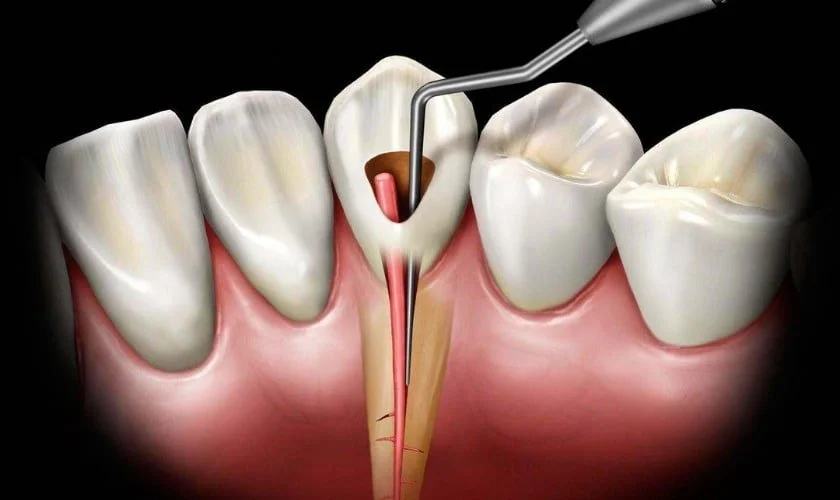
Root canal treatment involves removing the infected or damaged pulp inside a tooth, cleaning and disinfecting the root canals, and then sealing the tooth to prevent further infection. The procedure is usually completed in one or two appointments, depending on the tooth’s condition.

Benefits of Root Canal Treatment

1. Saves Natural Teeth

Root canal treatment preserves your natural tooth structure, avoiding the need for extraction and replacement with implants, bridges, or dentures.

2. Relieves Pain and Infection

The procedure removes the source of infection, alleviating toothache, swelling, and discomfort associated with dental pulp inflammation.

3. Prevents Spread of Infection

By treating the infected tooth, root canal therapy helps prevent bacteria from spreading to surrounding teeth, gums, and even other parts of the body.

4. Maintains Normal Bite and Chewing Function

Saving your natural tooth ensures that your bite remains balanced and chewing function is preserved, reducing strain on neighboring teeth.

5. Aesthetically Appealing

After treatment, the tooth can be restored with a crown or filling, maintaining its natural appearance and smile aesthetics.

6. Long-Term Oral Health Benefits

With proper care, a tooth that has undergone root canal treatment can last a lifetime, reducing the likelihood of additional dental procedures.

Signs You May Need a Root Canal

Seek a consultation if you experience:

  • Severe toothache or sensitivity to hot/cold

  • Swelling around the tooth or gums

  • Darkening or discoloration of the tooth

  • Persistent bad taste or odor in the mouth

  • Pain when chewing or biting

Early detection ensures better outcomes and simpler treatment.

Final Thoughts: Root Canal Treatment Is Tooth Preservation

Root canal treatment is a valuable procedure for maintaining oral health, relieving pain, and preventing the spread of infection. It allows you to retain your natural teeth, maintain normal function, and protect your smile for the long term.

Don’t ignore tooth pain.
Call 9558 8988, email info@painfreedentistsydney.com.au, or book online to schedule a consultation and explore if root canal treatment is right for you.

Severe Bruxism and Its Relationship with Chronic Pain

Bruxism, commonly known as teeth grinding or jaw clenching, can range from mild to severe. While occasional grinding may go unnoticed, severe bruxism can have significant consequences for your oral and overall health, including the development of chronic pain.

Understanding the link between severe bruxism and chronic pain is essential for early intervention and effective treatment.

How Severe Bruxism Leads to Chronic Pain

Teeth grinding and clenching place tremendous stress on the jaw muscles, temporomandibular joint (TMJ), and surrounding structures. Over time, this can result in:

  • Jaw muscle fatigue and tension

  • TMJ disorders causing pain, clicking, or limited movement

  • Headaches and migraines triggered by muscle strain

  • Neck and shoulder pain from associated muscular tension

  • Facial pain and sensitivity due to overworked muscles

Chronic exposure to this strain can create a cycle of pain that affects daily life and sleep quality.

Signs of Severe Bruxism

Common symptoms include:

  • Worn, flattened, or chipped teeth

  • Tooth sensitivity or pain

  • Jaw stiffness or soreness, especially in the morning

  • Frequent headaches or earaches

  • Muscle tenderness in the face, neck, or shoulders

  • Sleep disturbances for yourself or your partner

Early recognition of these symptoms is critical to prevent long-term damage.

Managing Chronic Pain Caused by Bruxism

1. Dental Appliances

  • Night guards protect teeth from grinding damage

  • Reduce jaw strain and alleviate muscle pain

2. Stress Management

  • Relaxation techniques, meditation, and therapy help reduce stress-induced grinding

3. TMJ Therapy

  • Physiotherapy, exercises, and in some cases, Botox injections can relieve chronic muscle tension

4. Medication and Pain Management

  • Over-the-counter or prescribed pain relievers may be used temporarily

  • Muscle relaxants for severe cases under professional supervision

5. Lifestyle Adjustments

  • Limit caffeine and alcohol

  • Improve sleep hygiene

  • Maintain good posture to reduce neck and jaw strain

Why Early Intervention Matters

Ignoring severe bruxism can lead to irreversible dental damage, persistent pain, and reduced quality of life. Timely treatment can:

  • Prevent tooth loss and enamel erosion

  • Reduce TMJ strain and chronic pain

  • Improve sleep quality and overall wellbeing

Final Thoughts: Break the Cycle of Pain

Severe bruxism is more than a dental concern — it is closely linked to chronic pain in the jaw, head, and neck. By seeking early diagnosis and combining dental, medical, and lifestyle interventions, patients can protect their teeth and significantly reduce chronic pain.

Protect your teeth and relieve chronic pain today.
Call 9558 8988, email info@painfreedentistsydney.com.au, or book online for a consultation and personalized treatment plan for severe bruxism and chronic pain.