Narrow Palate: How It Can Affect Your Whole Life

Introduction

A narrow palate, also known as a constricted or high-arched palate, is more than a dental concern—it can affect your entire body. While it may seem like a minor orthodontic issue, a narrow palate can influence your breathing, sleep patterns, jaw alignment, and even facial appearance. Recognizing the signs early can prevent long-term complications and improve overall quality of life.

What is a Narrow Palate?

The palate is the roof of the mouth, separating the oral and nasal cavities. A narrow palate occurs when the width of the upper jaw is reduced, causing the dental arch to be constricted. This can lead to crowded teeth, bite problems, and aesthetic concerns.

Common signs include:

  • Crowded or crooked teeth

  • Crossbite or misaligned bite

  • Difficulty chewing

  • Mouth breathing

  • Speech difficulties

How a Narrow Palate Affects Dental Health

A narrow palate can create uneven pressure on teeth, leading to:

  • Tooth misalignment and overcrowding

  • Increased risk of cavities due to hard-to-clean areas

  • Gum issues from improper bite patterns

Orthodontic treatments like expanders can widen the palate, reducing these risks and improving oral hygiene.

Impact on Breathing and Sleep

A constricted upper jaw can reduce nasal airflow, forcing mouth breathing. This can contribute to:

  • Snoring and sleep apnea

  • Poor oxygen intake during sleep

  • Chronic fatigue and reduced concentration

Correcting a narrow palate can enhance nasal breathing and improve sleep quality, boosting overall health.

Speech and Facial Development Concerns

The shape of your palate affects your tongue placement, which is crucial for clear speech. A narrow palate may lead to:

  • Lisp or speech delays in children

  • Facial asymmetry or a longer facial profile

  • TMJ (temporomandibular joint) discomfort

Early intervention can promote balanced facial growth and proper speech development.

Causes of a Narrow Palate

Several factors can contribute to a narrow palate:

  • Genetics – inherited jaw structure

  • Childhood habits – thumb sucking, prolonged pacifier use

  • Mouth breathing – often due to allergies or nasal obstruction

  • Premature loss of baby teeth

Conservative Treatment Options


Myofunctional Therapy – Exercises to improve tongue posture and breathing.

Why Early Intervention Matters

Addressing a narrow palate in childhood can prevent serious complications in adulthood, including:

  • Sleep apnea and breathing issues

  • Severe dental crowding requiring extractions

  • Facial asymmetry and jaw misalignment

Conclusion

A narrow palate is more than a cosmetic dental issue—it affects your teeth, breathing, sleep, speech, and overall quality of life. If you notice signs of a narrow palate in yourself or your child, consulting an orthodontist or pediatric dentist can provide solutions that improve health and confidence for years to come.

Call-to-Action:
Schedule a consultation with a trusted orthodontist to evaluate your palate and explore treatment options. Early action can change your life—literally from the inside out.

Botox for TMJ Pain: Relief for Jaw Tension and Headaches

Introduction

TMJ (temporomandibular joint) disorder can cause jaw pain, headaches, teeth grinding, and difficulty chewing. Traditional treatments sometimes aren’t enough, leaving patients searching for effective relief. Botox for TMJ pain is emerging as a safe, non-surgical solution that relaxes jaw muscles and eases discomfort.

How Botox Helps with TMJ Pain

Botox works by temporarily relaxing overactive muscles in the jaw. By reducing tension in the masseter and temporalis muscles, Botox can:

  • Alleviate chronic jaw pain

  • Reduce teeth grinding (bruxism)

  • Prevent tension headaches

  • Improve jaw mobility

Unlike traditional pain medications, Botox targets the root muscular causes of TMJ symptoms rather than just masking them.

Who Can Benefit from Botox for TMJ

  • Patients with chronic jaw pain or stiffness

  • Those experiencing frequent headaches related to jaw tension

  • People who grind or clench their teeth at night

  • Patients who haven’t found relief from splints, therapy, or medication

The Procedure: What to Expect

  1. Consultation: The dentist evaluates jaw movement, pain points, and medical history.

  2. Injection: Small doses of Botox are injected into targeted jaw muscles.

  3. Recovery: Minimal downtime; some mild soreness may occur.

  4. Results: Pain relief usually begins within a few days, with effects lasting 3–6 months.

Benefits of Botox for TMJ Pain

  • Non-invasive and quick procedure

  • Minimal side effects

  • Reduces reliance on pain medications

  • Can be combined with other TMJ treatments for maximum relief

Safety Considerations

Botox is FDA-approved for medical use and considered safe for TMJ pain when administered by a trained professional. Patients should disclose all medications, medical conditions, and previous Botox treatments.

Conclusion

For patients suffering from chronic jaw pain, headaches, or teeth grinding, Botox offers an effective, non-surgical solution. By targeting the muscles responsible for tension and pain, it can restore comfort and improve quality of life.

Call to Action:
Schedule a consultation with a qualified dentist to see if Botox for TMJ pain is right for you. Relief could be just a few injections away.

Pain-Free Dentistry: How IV Sedation Makes Procedures Easy

Introduction

Dental anxiety is a common concern for many patients. Thankfully, IV sedation dentistry offers a safe and effective way to undergo dental procedures with minimal discomfort and anxiety. From complex extractions to root canals, IV sedation allows patients to remain relaxed and pain-free throughout their treatment.

What is IV Sedation in Dentistry?

IV sedation, also called intravenous sedation, involves administering sedative medication directly into a patient’s bloodstream. Unlike general anesthesia, patients remain conscious but deeply relaxed, often with little to no memory of the procedure.

Benefits of IV sedation include:

  • Reduced anxiety and fear

  • Pain-free procedures

  • Ability to perform multiple treatments in a single visit

  • Faster recovery than general anesthesia

Common Dental Procedures Performed Under IV Sedation

1. Tooth Extractions

Complex tooth extractions, including impacted wisdom teeth, often require IV sedation. Sedation helps manage pain and anxiety while allowing the dentist to work efficiently.

2. Root Canal Therapy

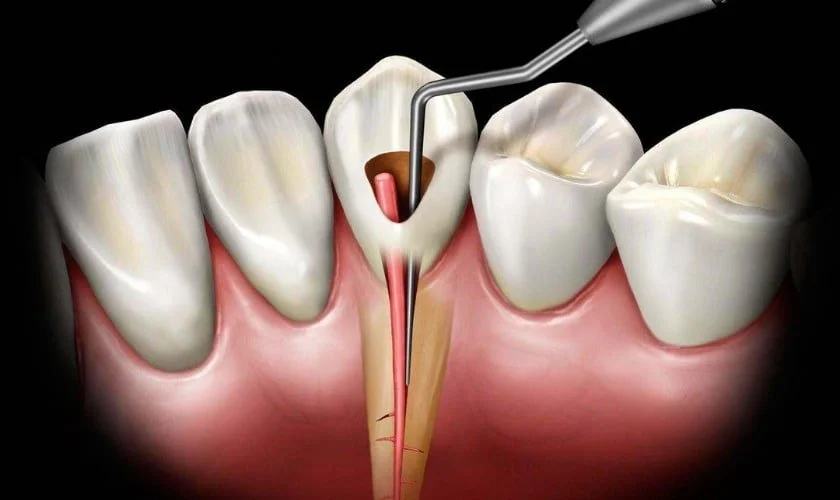
Root canals can be stressful for anxious patients. IV sedation allows the procedure to be completed comfortably, with minimal awareness of the treatment.

3. Dental Implants

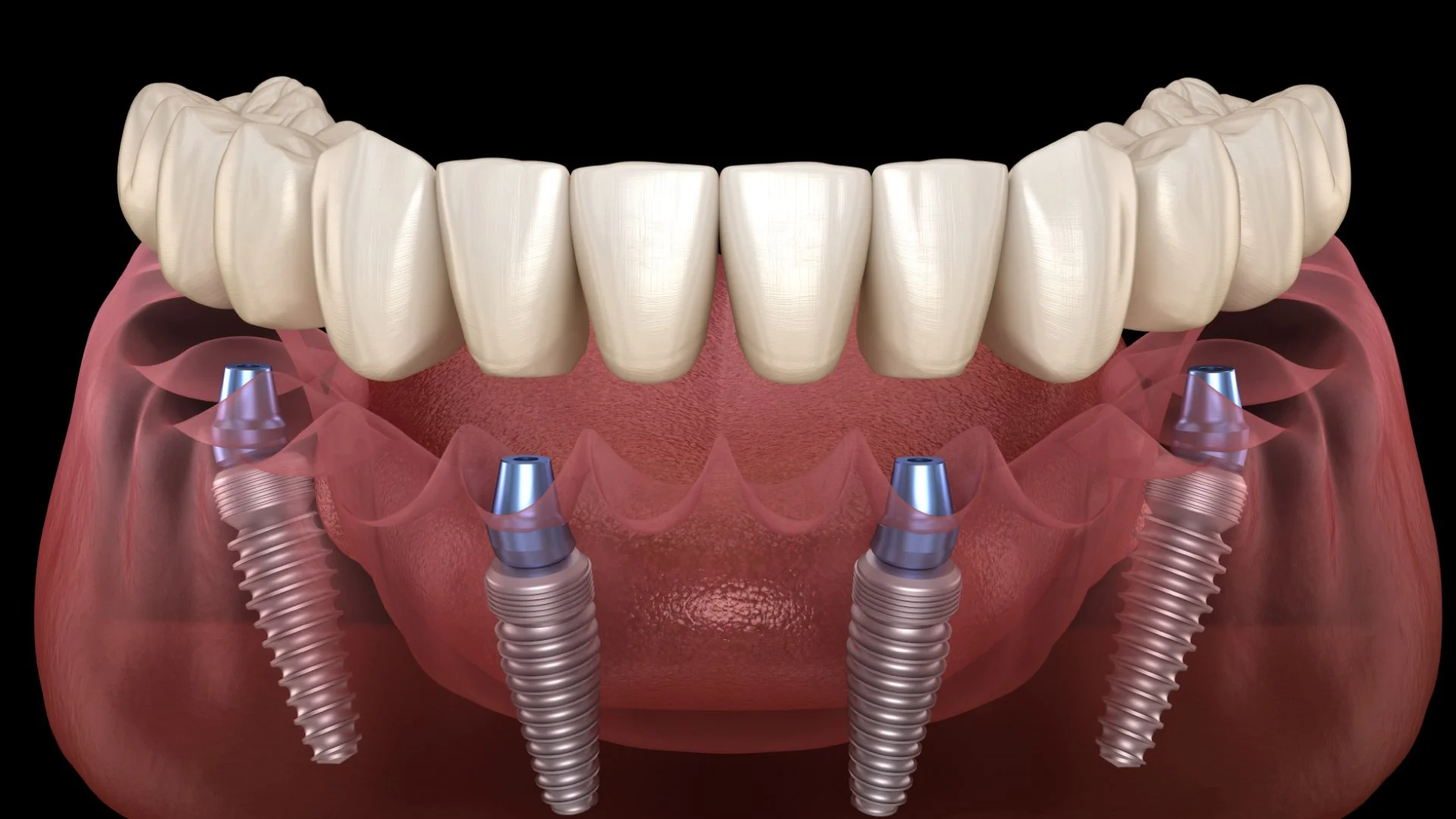
Placing dental implants is a multi-step procedure that may cause discomfort. IV sedation ensures patients remain relaxed, making longer treatments more tolerable.

4. Periodontal Surgery

For gum surgeries, IV sedation reduces stress and allows for precise work without patient discomfort.

5. Extensive Restorative Work

Multiple crowns, bridges, or fillings can be done in a single visit under IV sedation, reducing the number of appointments needed.

What to Expect Before, During, and After IV Sedation

Before:

  • Pre-sedation evaluation and medical history review

  • Fasting as instructed by your dentist

During:

  • IV line placement for sedative administration

  • Continuous monitoring of vital signs

  • Relaxed awareness or light sleep

After:

  • Recovery period in the office

  • Temporary drowsiness; patients are advised not to drive

  • Follow post-procedure care instructions

Safety Considerations

IV sedation is generally safe for most patients. Dentists performing IV sedation are trained in advanced life support and monitor patients closely. Always disclose your medical history, medications, and allergies before treatment.

Conclusion

IV sedation is a game-changer for patients struggling with dental anxiety or needing extensive procedures. By combining safety, comfort, and efficiency, it allows patients to get the dental care they need without stress or fear.

Call to Action:
If dental anxiety has prevented you from getting treatment, talk to your dentist about IV sedation options and schedule a consultation today.