Smoking and Dental Health Issues: What Every Smoker Should Know

Smoking is widely known for causing serious health problems such as lung disease and heart conditions, but many people overlook the damage it causes inside the mouth. From stained teeth to gum disease and oral cancer, smoking can have long-lasting effects on dental health and overall well-being.

Understanding how smoking affects the mouth is the first step toward protecting your smile and preventing severe complications.

How Smoking Affects Oral Health

Cigarettes contain thousands of harmful chemicals, including nicotine and tar. These substances reduce blood flow, weaken the immune system, and create an environment where harmful bacteria thrive. As a result, smokers face a much higher risk of developing dental and oral health problems than non-smokers.

Common Dental Health Issues Caused by Smoking

1. Gum Disease

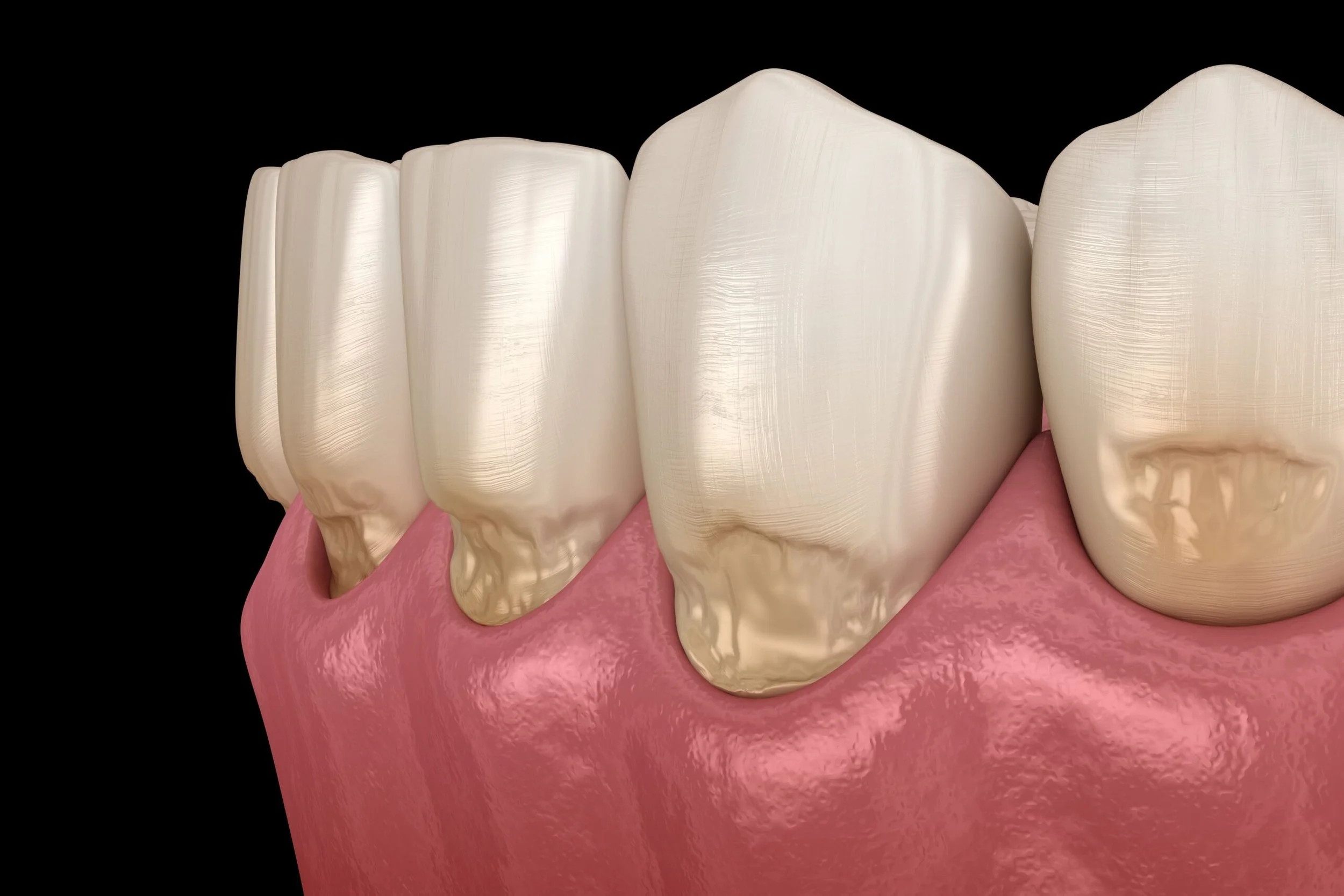
One of the most serious effects of smoking is gum disease, also known as periodontal disease. Smoking weakens the gums’ ability to fight infection and slows healing.

Signs of gum disease include:

  • Swollen or tender gums

  • Bleeding while brushing or flossing

  • Receding gums

  • Persistent bad breath

  • Loose teeth

In severe cases, gum disease can lead to tooth loss. Smokers are significantly more likely to lose teeth due to advanced gum infections.

2. Tooth Staining and Discoloration

Nicotine and tar quickly stain tooth enamel, causing yellow or brown discoloration. Over time, these stains become more difficult to remove with regular brushing alone.

Many smokers seek professional dental cleaning or whitening treatments to improve the appearance of their teeth, but continued smoking often causes stains to return.

3. Bad Breath

Smoking contributes to chronic bad breath, also called halitosis. Tobacco smoke leaves chemical residues in the mouth while also drying out oral tissues. Reduced saliva allows bacteria to multiply, creating unpleasant odors.

4. Delayed Healing After Dental Procedures

Smoking slows down the body’s healing process because it reduces oxygen flow to tissues. This can create complications after:

  • Tooth extractions

  • Dental implants

  • Gum surgery

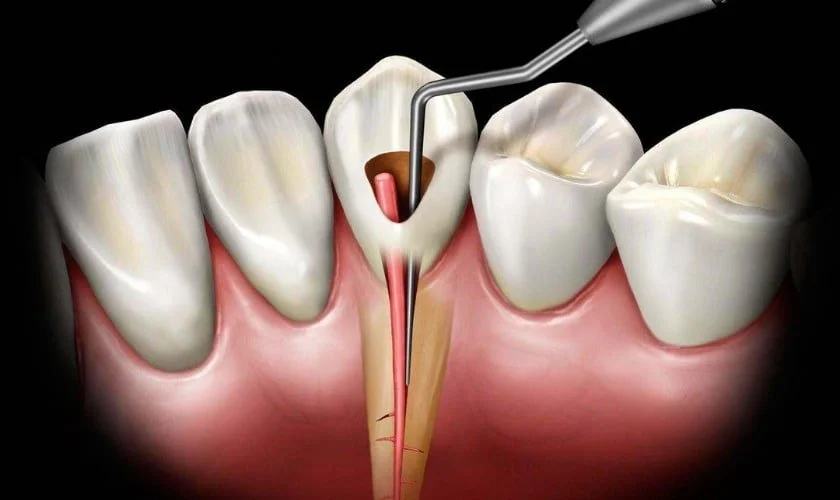
  • Root canal treatments

Smokers may experience more pain, infections, and slower recovery after dental procedures.

5. Increased Plaque and Tartar Buildup

Smoking encourages the accumulation of plaque and tartar on teeth. These deposits contain bacteria that contribute to cavities and gum disease.

Without regular professional cleaning, tartar buildup can become severe and difficult to manage.

6. Oral Cancer

Smoking is one of the leading causes of oral cancer. Tobacco use can increase the risk of cancers affecting the:

  • Lips

  • Tongue

  • Cheeks

  • Floor of the mouth

  • Throat

Warning signs may include:

  • Mouth sores that do not heal

  • Red or white patches

  • Difficulty chewing or swallowing

  • Lumps inside the mouth

Early detection is critical, which is why regular dental checkups are especially important for smokers.

7. Dry Mouth

Smoking reduces saliva production, causing dry mouth. Saliva plays an essential role in washing away food particles and neutralizing acids. Without enough saliva, the risk of cavities and infections increases.

Benefits of Quitting Smoking for Oral Health

The good news is that quitting smoking can significantly improve oral health. After quitting:

  • Blood circulation to the gums improves

  • Healing becomes faster

  • Bad breath decreases

  • Teeth stop developing new tobacco stains

  • Risk of oral cancer gradually lowers

Many former smokers also notice improved taste and smell within a few weeks.

Tips to Protect Your Dental Health

If you smoke, taking extra care of your oral hygiene is essential:

  • Brush twice daily with fluoride toothpaste

  • Floss every day

  • Visit the dentist regularly for cleanings and screenings

  • Drink plenty of water

  • Consider smoking cessation programs or nicotine replacement therapy

Final Thoughts

Smoking does far more than damage the lungs—it can seriously harm your teeth, gums, and entire mouth. Gum disease, tooth loss, staining, bad breath, and oral cancer are all major risks associated with tobacco use.

Protecting your smile starts with awareness and healthy choices. Quitting smoking and maintaining regular dental care can dramatically improve both oral health and overall quality of life.

Contact us at info@painfreedentistsydney.com.au or (02) 9558 8988 to book an appointment with us!

Dental Crowns vs Veneers: Which Smile Makeover Is Right for You?

A confident smile can make a lasting impression—but chipped, stained, or damaged teeth can hold you back. Thankfully, modern cosmetic dentistry offers highly effective solutions like dental crowns and veneers to restore both function and beauty. If you’ve been considering improving your smile, understanding the difference between these two treatments is the first step.

What Are Dental Crowns?

Dental crowns are custom-made “caps” that completely cover a damaged or weakened tooth. They are designed to restore strength, shape, and appearance.

Crowns are often recommended for:

  • Severely decayed or broken teeth

  • Teeth that have undergone root canal treatment

  • Large fillings that weaken the tooth

  • Cracked or worn-down teeth

Made from materials like porcelain or ceramic, crowns are crafted to blend seamlessly with your natural teeth while providing long-lasting durability.

What Are Veneers?

Veneers are thin, custom-made shells that are bonded to the front surface of your teeth. They are primarily used for cosmetic improvements and can dramatically enhance your smile.

Veneers are ideal for:

  • Discoloured or stained teeth

  • Minor chips or cracks

  • Uneven or slightly misaligned teeth

  • Gaps between teeth

Porcelain veneers are especially popular because they mimic the natural translucency of enamel and resist staining.

Crowns vs Veneers: Key Differences

While both treatments improve your smile, they serve different purposes:

  • Coverage: Crowns cover the entire tooth, while veneers only cover the front surface.

  • Purpose: Crowns are often restorative; veneers are mainly cosmetic.

  • Tooth Preparation: Crowns require more reshaping of the tooth, whereas veneers are minimally invasive.

  • Durability: Both are long-lasting, but crowns are typically stronger for heavily damaged teeth.

A professional dental consultation will help determine which option is best suited to your needs.

The Pain-Free Experience You Deserve

One of the biggest concerns patients have about dental treatments is discomfort. That’s why choosing a clinic that prioritises pain-free dentistry can make all the difference.

With modern techniques and advanced technology, treatments like crowns and veneers can be completed comfortably and efficiently. Options such as local anaesthetic and sedation dentistry ensure a relaxed, stress-free experience—even for nervous patients.

Transform Your Smile with Confidence

Whether you need to restore a damaged tooth or achieve a brighter, more even smile, crowns and veneers offer reliable, natural-looking results. The key is working with an experienced dental team that understands both aesthetics and comfort.

Experience Pain-Free Dentistry in Sydney

At Pain Free Dentist Sydney, your comfort comes first. The team specialises in gentle, stress-free treatments using the latest technology to ensure a smooth and relaxing experience from start to finish.

From beautifully crafted crowns to stunning porcelain veneers, you can achieve the smile you’ve always wanted, without the anxiety!

Book your consultation today at (02) 9558 8988 or www.painfreedentistsydney.com.au and discover how easy and comfortable modern dentistry can be.

All-on-4 vs All-on-6 Dental Implants Under Sedation: A Comfortable, Life-Changing Solution

Missing teeth can affect far more than your smile—they can impact your confidence, speech, and ability to enjoy everyday meals. Fortunately, modern dentistry offers advanced full-arch solutions like All-on-4 and All-on-6 dental implants, designed to restore both function and aesthetics. Even better, these treatments can now be performed under sedation, making the entire experience far more comfortable and stress-free.

What Are All-on-4 and All-on-6 Implants?

Both All-on-4 and All-on-6 are full-mouth dental implant solutions that replace an entire arch of teeth using a fixed bridge supported by implants.

  • All-on-4 uses four strategically placed implants to support a full set of teeth.

  • All-on-6 uses six implants, offering additional stability and support—often recommended for patients with stronger jawbone density or those seeking enhanced durability.

These treatments are ideal for patients who have lost most or all of their teeth, or who are struggling with failing dentures.

Key Differences: All-on-4 vs All-on-6

While both options deliver excellent results, there are a few differences to consider:

  • Support & Stability: All-on-6 provides extra anchorage, which can improve long-term strength.

  • Bone Distribution: All-on-4 is often better suited for patients with lower bone density, as it maximizes available bone.

  • Cost: All-on-6 typically involves higher costs due to the additional implants.

  • Longevity: Both are highly durable, but All-on-6 may offer slightly more resilience over time.

A thorough consultation will determine which option best suits your needs.

Why Choose Sedation Dentistry?

For many patients, the idea of dental surgery can be intimidating. That’s where sedation dentistry comes in. With modern sedation options, you can undergo implant treatment in a calm, relaxed state.

Sedation Options May Include:

  • IV Sedation: You’ll be deeply relaxed and may not remember the procedure.

  • Oral Sedation: A prescribed medication taken before your appointment to ease anxiety.

  • General Anaesthesia (in some cases): For more complex treatments or highly anxious patients.

Benefits of Undergoing Implants Under Sedation

  • Pain-Free Experience: Minimal discomfort during and after the procedure.

  • Reduced Anxiety: Ideal for nervous or phobic patients.

  • Efficient Treatment: Multiple procedures can often be completed in one visit.

  • Improved Recovery Experience: Less stress on the body overall.

What to Expect During the Procedure

  1. Consultation & Planning: Digital scans and treatment planning tailored to your smile.

  2. Sedation Administration: Ensuring you are completely comfortable.

  3. Implant Placement: Precise placement of 4 or 6 implants into the jawbone.

  4. Temporary Teeth Placement: Often, a provisional set of teeth is placed the same day.

  5. Healing & Final Restoration: After healing, your permanent teeth are fitted.

Transform Your Smile with Confidence

All-on-4 and All-on-6 dental implants are truly life-changing solutions. When combined with sedation dentistry, the journey becomes smooth, comfortable, and virtually pain-free.

If you’ve been putting off treatment due to fear or discomfort, now is the time to explore a better way.

Experience Pain-Free Dentistry in Dulwich Hill

At Pain Free Dentist Sydney Dulwich Hill, patient comfort is the top priority. With advanced sedation techniques and a caring, experienced team, you can restore your smile without stress or fear. Whether you're considering All-on-4 or All-on-6 implants, you’ll receive personalised care every step of the way.

Book your consultation today at (02) 9558 8988 or www.painfreedentistsydney.com.au and take the first step towards a confident, fully restored smile, all without the pain!