If you’ve noticed small notches near the base of your teeth or increased sensitivity, it might not be cavities—it could be abfraction. This type of tooth damage is often linked to long-term teeth grinding, also known as bruxism.
Understanding the connection between grinding forces and tooth structure is key to preventing further damage.
What Is Abfraction?
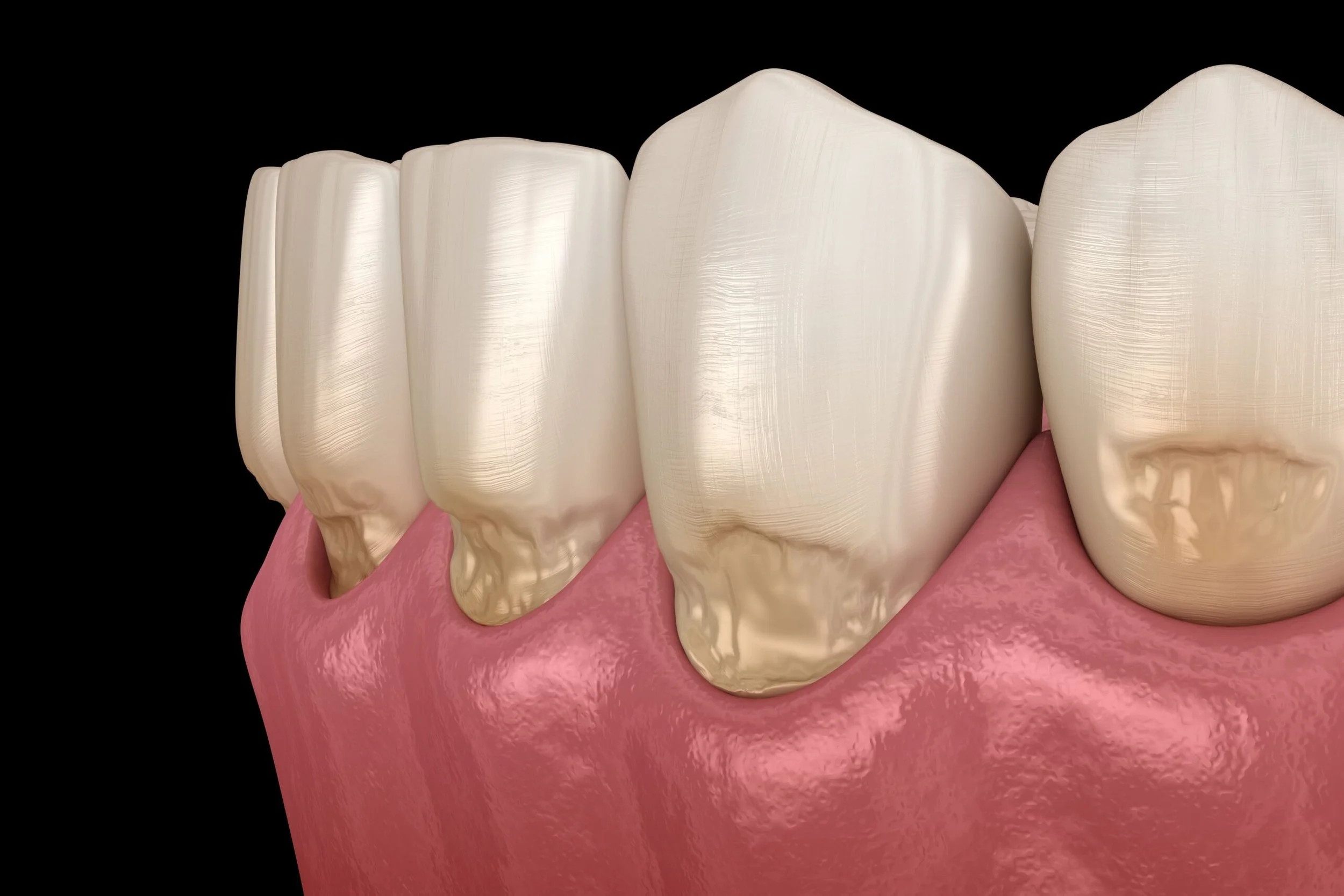
Abfraction Lesions are wedge-shaped defects that form near the gumline of teeth. Unlike decay caused by bacteria, abfraction is caused by mechanical stress—usually from excessive biting or grinding forces.
Over time, this repeated stress causes the enamel and dentin to flex and break down in one specific area.
How Bruxism Causes Abfraction
Bruxism places abnormal pressure on teeth, especially during sleep when grinding and clenching often go unnoticed.
This force can:
Concentrate stress at the gumline
Cause enamel micro-fractures
Gradually wear away tooth structure
Lead to V-shaped notches near the gums
Unlike normal wear from chewing, bruxism applies sideways and excessive pressure, which is especially damaging.
Signs You May Have Abfraction
Common symptoms include:
Notches or grooves near the gumline
Tooth sensitivity to cold or brushing
Gum recession around affected teeth
Sharp edges on tooth surfaces
Discomfort when biting
These lesions often develop slowly, so regular dental check-ups are important.
Why Abfraction Shouldn’t Be Ignored
If left untreated, abfraction can lead to:
Increased tooth sensitivity
Further enamel loss
Weakened tooth structure
Higher risk of cracks or fractures
Gum irritation and recession
Early treatment helps preserve both function and appearance.
Treatment Options for Abfraction
1. Night Guard Therapy
A custom mouthguard reduces grinding forces while you sleep, protecting teeth from further damage.
2. Dental Bonding
Tooth-colored composite material can restore lost structure and reduce sensitivity.
3. Bite Adjustment
In some cases, dentists may adjust the bite to reduce uneven pressure on teeth.
4. Bruxism Management
Stress reduction, lifestyle changes, or treatment for sleep disorders may help reduce grinding.
Preventing Further Damage
To protect your teeth from worsening abfraction:
Wear a night guard if you grind your teeth
Avoid excessive pressure when brushing
Manage stress levels
Limit caffeine and alcohol before bed
Visit your dentist regularly
Abfraction vs Tooth Decay
FeatureAbfractionTooth DecayCauseMechanical stress (grinding)Bacterial acidLocationGumlineAnywhere on toothAppearanceV-shaped notchCavities/holesTreatmentBonding, night guardFillings, decay removal
Final Thoughts
Abfraction caused by bruxism is often overlooked, but it can lead to long-term damage if not addressed. The good news is that with early diagnosis and proper treatment, you can protect your teeth and prevent further wear.
Take Action Early
If you notice sensitivity or notches near your gumline, it’s worth seeing a dentist. Managing bruxism early can make a big difference in preserving your smile.