

Do you wake up with headaches, jaw soreness, or sensitive teeth? You may be experiencing bruxism, a condition commonly known as teeth grinding or jaw clenching. While occasional grinding may seem harmless, untreated bruxism can cause serious long-term damage to your teeth, jaw, and overall oral health.
Many people grind their teeth during sleep without realizing it. Over time, the constant pressure placed on the teeth and jaw can lead to chronic pain, damaged enamel, cracked teeth, and even temporomandibular joint (TMJ) disorders.
In this article, we’ll explore the long-term effects of bruxism if left untreated, the warning signs to look for, and the best treatment options available.
What Is Bruxism?
Bruxism is the involuntary grinding, gnashing, or clenching of teeth. It can happen during the day or while sleeping.
There are two main types:
Sleep Bruxism
Occurs during sleep and is often linked to stress, sleep disorders, or airway issues.
Awake Bruxism
Usually involves jaw clenching during periods of concentration, stress, or anxiety.
Although mild cases may not cause immediate damage, persistent grinding can significantly affect your oral health over time.
Common Symptoms of Bruxism
Many people don’t realize they have bruxism until symptoms become severe. Common signs include:
Jaw pain or tightness
Morning headaches
Tooth sensitivity
Worn or flattened teeth
Chipped or cracked teeth
Earaches without infection
Facial muscle fatigue
Disturbed sleep
Clicking or popping jaw joints
If these symptoms sound familiar, it’s important to seek professional dental advice before permanent damage occurs.
Long-Term Effects of Untreated Bruxism
Ignoring bruxism can lead to serious complications that worsen over time. Here are the most common long-term consequences.
1. Severe Tooth Wear and Enamel Loss
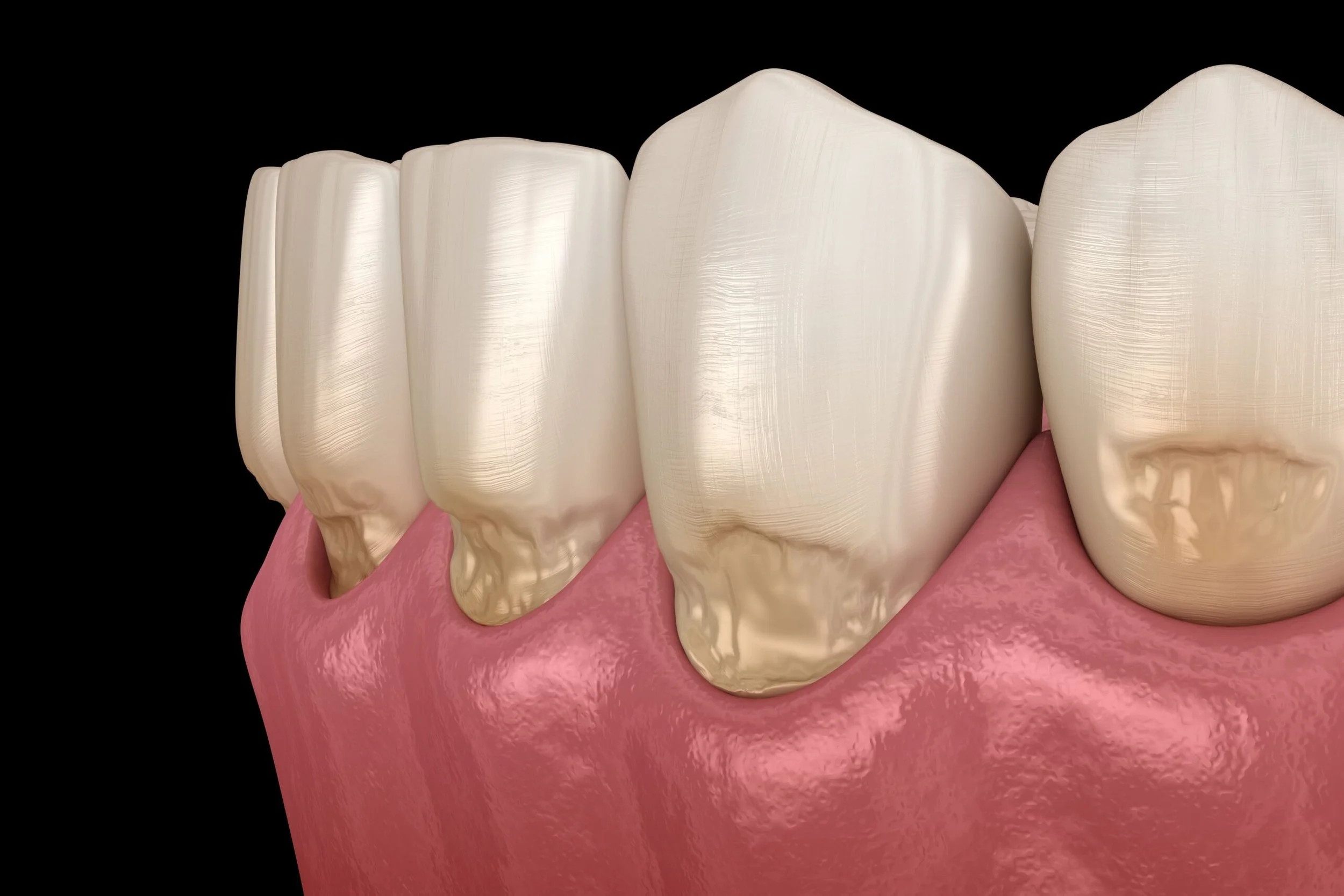
One of the earliest and most damaging effects of bruxism is enamel erosion.
Your enamel is the protective outer layer of your teeth. Constant grinding slowly wears it down, exposing the softer dentin underneath.
Long-Term Consequences Include:
Increased tooth sensitivity
Yellowing teeth
Flattened biting surfaces
Higher risk of cavities
Permanent tooth damage
Once enamel is lost, it does not grow back naturally.
2. Cracked, Chipped, or Broken Teeth
Bruxism places excessive force on the teeth — often stronger than normal chewing forces.
Over time, this pressure can cause:
Hairline fractures
Chipped teeth
Broken fillings or crowns
Split teeth requiring extraction
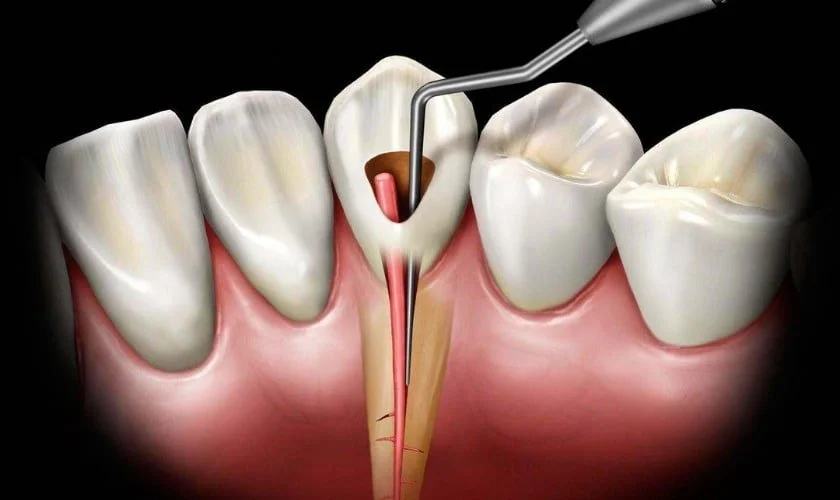
Severe cases may require expensive restorative treatments such as crowns, veneers, root canals, or dental implants.
3. Chronic Jaw Pain and TMJ Disorders
Untreated bruxism commonly affects the temporomandibular joints (TMJ), which connect the jaw to the skull.
Excessive clenching overworks the jaw muscles and strains the joints.
Symptoms of TMJ Disorders Include:
Jaw clicking or popping
Difficulty opening the mouth
Pain while chewing
Locked jaw
Facial pain
Neck and shoulder tension
TMJ disorders can become chronic and significantly impact quality of life.
4. Persistent Headaches and Facial Pain
Many chronic headaches are linked to nighttime teeth grinding.
The repeated tension in the jaw muscles can trigger:
Tension headaches
Migraine flare-ups
Facial muscle soreness
Pain around the temples
People often mistake these symptoms for stress or poor sleep without realizing bruxism is the underlying cause.
5. Tooth Loss
In advanced cases, untreated bruxism can eventually lead to tooth loss.
Grinding weakens the teeth and supporting structures over time. Combined with fractures and gum recession, some teeth may become too damaged to save.
Tooth loss can affect:
Speech
Eating ability
Facial appearance
Self-confidence
Overall oral function
Replacing missing teeth often requires implants, bridges, or dentures.
6. Gum Recession and Increased Tooth Sensitivity
The excessive pressure caused by clenching and grinding can contribute to gum recession.
As gums pull away from the teeth, the roots become exposed, leading to:
Extreme sensitivity to hot and cold
Higher risk of root decay
Increased vulnerability to infection
Receding gums may require periodontal treatment if left untreated.
7. Poor Sleep Quality
Sleep bruxism can interfere with restorative sleep.
Grinding episodes may cause frequent nighttime awakenings, jaw discomfort, or disturbed sleep for both the individual and their partner.
Poor sleep quality can contribute to:
Fatigue
Difficulty concentrating
Irritability
Increased stress levels
Ironically, stress itself is a major trigger for bruxism, creating a difficult cycle.
What Causes Bruxism?
Bruxism often develops from a combination of physical, psychological, and lifestyle factors.
Common Causes Include:
Stress and anxiety
Sleep disorders
Misaligned bite
Caffeine or alcohol consumption
Smoking
Certain medications
Obstructive sleep apnea
Identifying the root cause is an important step in treatment.
How Dentists Diagnose Bruxism
A dentist can often identify bruxism during a routine examination.
Signs may include:
Worn enamel
Tooth fractures
Jaw tenderness
Enlarged jaw muscles
Damage to dental restorations
In some cases, sleep studies may be recommended if sleep apnea is suspected.
Treatment Options for Bruxism
The good news is that bruxism is treatable, especially when caught early.
Custom Night Guards
A professionally made night guard helps protect the teeth from grinding damage while reducing pressure on the jaw.
Stress Management
Reducing stress through exercise, meditation, therapy, or relaxation techniques may decrease grinding episodes.
Bite Adjustment
If bite misalignment contributes to bruxism or dental adjustments may help.
Botox for Bruxism
In some cases, Botox injections can relax overactive jaw muscles and reduce clenching intensity.
Sleep Apnea Treatment
If sleep apnea is involved, treating the airway issue may significantly improve bruxism symptoms.
When Should You See a Dentist?
You should schedule a dental evaluation if you experience:
Frequent headaches
Jaw pain
Sensitive or worn teeth
Teeth grinding noticed by a partner
Broken dental work
Difficulty opening or closing your mouth
Early treatment can prevent long-term complications and save you from costly dental procedures later.
Preventing the Long-Term Effects of Bruxism
Here are simple ways to reduce the risk of severe damage:
Wear a custom night guard
Reduce stress levels
Avoid chewing ice or hard objects
Limit caffeine and alcohol before bed
Practice jaw relaxation exercises
Maintain regular dental check-ups
Small lifestyle changes can make a significant difference.
Final Thoughts
Bruxism is more than just an annoying habit — it’s a serious condition that can cause lasting damage if ignored.
From worn enamel and cracked teeth to chronic jaw pain and tooth loss, the long-term effects of untreated bruxism can significantly affect your oral health and quality of life.
The earlier bruxism is diagnosed and treated, the better the outcome. If you suspect you may be grinding your teeth, consult a dental professional for a proper evaluation and personalized treatment plan.
Protecting your teeth today can help you avoid painful and expensive dental problems in the future.
Frequently Asked Questions About Bruxism
Can bruxism go away on its own?
Mild cases may improve temporarily, but persistent bruxism often requires professional treatment to prevent long-term damage.
Is teeth grinding dangerous?
Yes. Chronic teeth grinding can lead to enamel loss, cracked teeth, jaw disorders, headaches, and tooth loss.
What is the best treatment for bruxism?
Treatment depends on the cause but often includes custom night guards, stress management, and addressing underlying sleep or bite issues.
Can stress cause bruxism?
Yes. Stress and anxiety are among the most common triggers for teeth grinding and jaw clenching.
How do I know if I grind my teeth at night?
Common signs include morning headaches, jaw soreness, tooth sensitivity, and reports of grinding noises from a sleep partner.