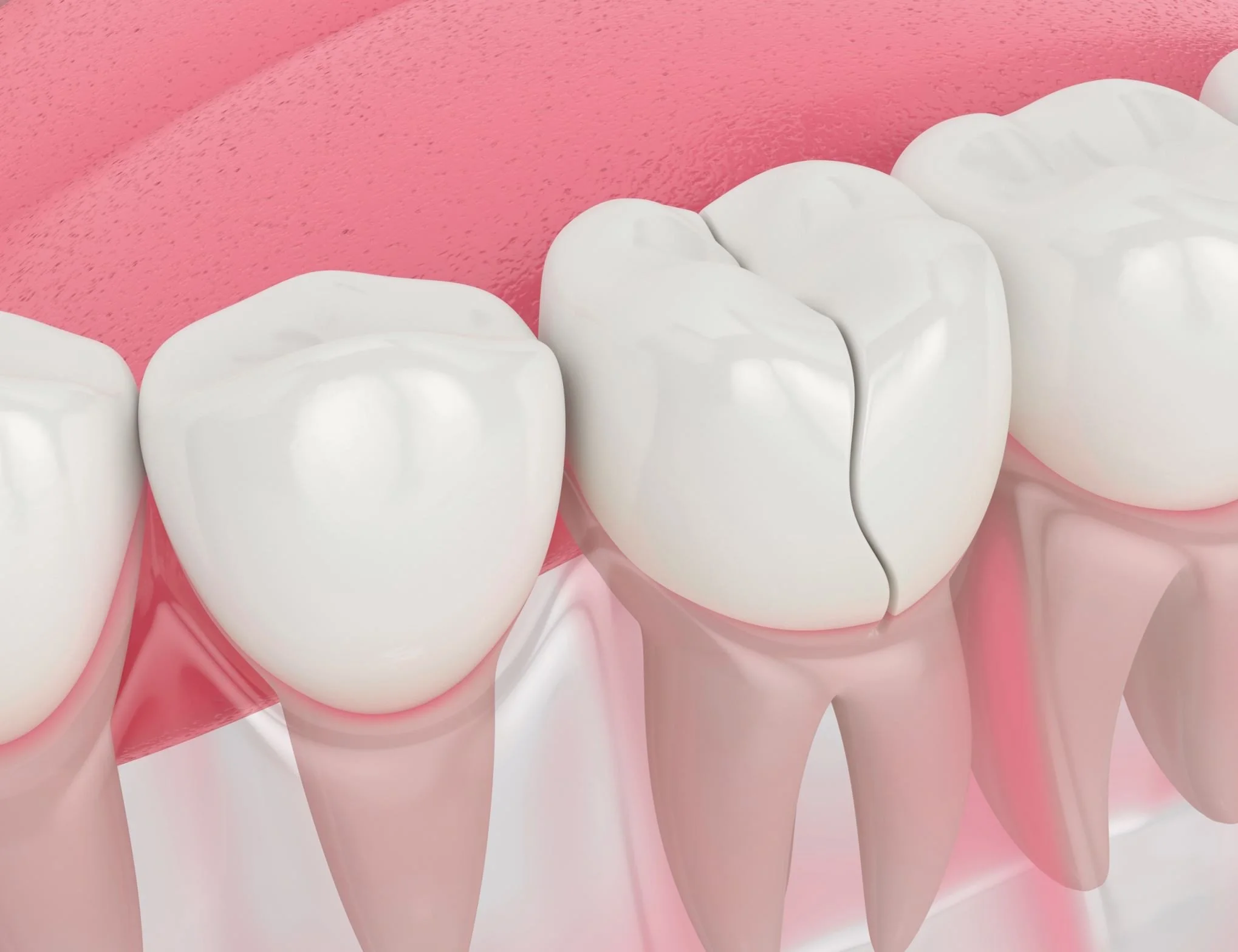
Understanding Cracked Teeth
Cracked teeth are more than just a cosmetic concern—they can lead to pain, sensitivity, and even tooth loss if left untreated. One of the most common causes of cracked teeth is bruxism, a condition characterized by teeth grinding or clenching. Over time, the excessive pressure can weaken enamel and cause fractures.
Keywords: cracked teeth, tooth fracture, enamel damage, dental health
What Is Bruxism and How Does It Affect Your Teeth?
Bruxism is the habitual grinding or clenching of teeth, often during sleep. While some people may not notice it, the long-term effects on teeth are significant:
Worn-down enamel
Increased tooth sensitivity
Micro-fractures leading to larger cracks
Damage to dental restorations such as crowns and fillings
People with TMJ disorders are especially susceptible because their jaw muscles are already under stress, amplifying the grinding forces.
Keywords: bruxism, teeth grinding, TMJ pain, jaw disorder
The Role of TMJ Disorders in Tooth Damage
The temporomandibular joint (TMJ) connects your jawbone to your skull. Dysfunction in this joint can cause:
Jaw pain and stiffness
Headaches or earaches
Increased teeth grinding
When bruxism occurs alongside TMJ dysfunction, the risk of developing cracked teeth rises dramatically. The uneven pressure from misaligned jaw movements weakens teeth, making them prone to fractures.
Keywords: TMJ disorder, temporomandibular joint, jaw pain, cracked teeth risk
Signs Your Cracked Tooth Might Be Related to Bruxism
You may have a cracked tooth caused by bruxism if you notice:
Sharp pain when chewing
Tooth sensitivity to hot or cold foods
Visible cracks or chips
Frequent headaches or jaw soreness
Early detection is crucial to prevent further damage and costly dental procedures.
Keywords: cracked tooth symptoms, bruxism signs, TMJ pain, dental care
Prevention and Treatment Strategies
1. Night Guards and Occlusal Splints
Wearing a custom night guard can protect teeth from grinding while relieving TMJ stress.
2. TMJ Therapy
Treating the underlying TMJ disorder through physical therapy, stress management, or corrective dental work reduces grinding.
3. Dental Restorations
Cracked teeth may require bonding, crowns, or veneers to restore function and aesthetics.
4. Lifestyle Adjustments
Reducing stress, avoiding hard foods, and practicing jaw relaxation exercises can prevent further damage.
Keywords: cracked teeth treatment, night guard for bruxism, TMJ therapy, dental restoration
When to See a Dentist
If you suspect bruxism or a TMJ disorder is causing cracked teeth, don’t wait. Early intervention can prevent severe fractures, preserve your natural teeth, and relieve jaw pain.
Contact Pain Free Dentists Sydney today:
Call: 9558 8988
Email: info@painfreedentistsydney.com.au
Book Online: https://painfreedentistsydney.com.au/
Protect your smile and stop jaw discomfort before it gets worse—schedule a consultation now.