Bruxism: Causes, Symptoms, and Effective Treatments
Bruxism, commonly known as teeth grinding, is a condition where you involuntarily grind, gnash, or clench your teeth. It can occur during the day or at night and may have significant consequences for your oral health if left untreated.
In this article, we’ll explore the causes, symptoms, and treatments for bruxism, and explain how early intervention can protect your teeth and jaw.
What Causes Bruxism?
Bruxism can be triggered by a combination of physical, psychological, and lifestyle factors:
Stress and anxiety: Emotional tension can lead to unconscious clenching or grinding.
Sleep disorders: Conditions like sleep apnea can increase nighttime grinding.
Abnormal bite or misaligned teeth: Irregularities in tooth alignment can trigger bruxism.
Lifestyle factors: Excessive caffeine, alcohol, or smoking may contribute.
Medications: Certain antidepressants or stimulants may increase the risk.
Signs and Symptoms of Bruxism
Many people are unaware they grind their teeth, especially at night. Watch for these common signs:
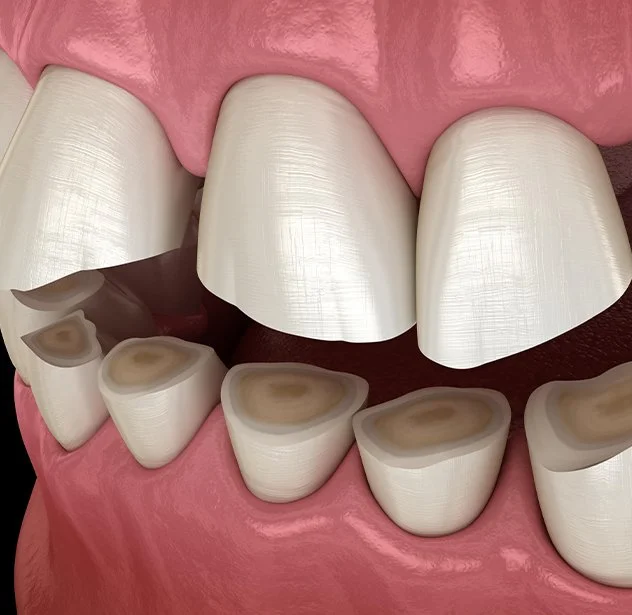
Flattened, worn, or chipped teeth
Tooth sensitivity or pain
Jaw pain or stiffness, especially in the morning
Headaches or earaches
Indentations on the tongue or inside of cheeks
Disrupted sleep for you or your partner
Early detection is key to preventing long-term damage.
Potential Oral Health Consequences
Untreated bruxism can lead to serious dental issues:
Enamel erosion: Leads to increased tooth sensitivity and cavities
Tooth fractures: Chipped or cracked teeth may require restorations
TMJ disorders: Jaw joint problems causing pain, clicking, or limited movement
Gum recession: Excessive pressure can impact gum tissue health
How Bruxism Is Diagnosed
Your dentist may diagnose bruxism through:
Oral examination for wear patterns and enamel loss
Jaw and muscle assessment
Sleep study if sleep disorders are suspected
Reviewing medical history and lifestyle factors
Effective Treatments for Bruxism
Treatment depends on the severity and underlying cause:
1. Night Guards or Occlusal Splints
Custom-made dental appliances worn at night
Protect teeth from grinding damage
Help alleviate jaw pain and tension
2. Stress Management
Relaxation techniques, meditation, and therapy can reduce stress-induced grinding
3. Correcting Bite Issues
Ddental restorations to align teeth properly
4. Medication (In Certain Cases)
Muscle relaxants or Botox injections may be considered for severe bruxism
5. Lifestyle Modifications
Reducing caffeine and alcohol
Quitting smoking
Improving sleep quality
Final Thoughts: Don’t Ignore Teeth Grinding
Bruxism is more than a nuisance — it can cause serious dental problems if untreated. Early intervention with a night guard, stress management, or dental correction can prevent long-term damage and improve comfort.
Protect your teeth and jaw today.
Call 9558 8988, email info@painfreedentistsydney.com.au, or book online for a consultation and personalized bruxism treatment.