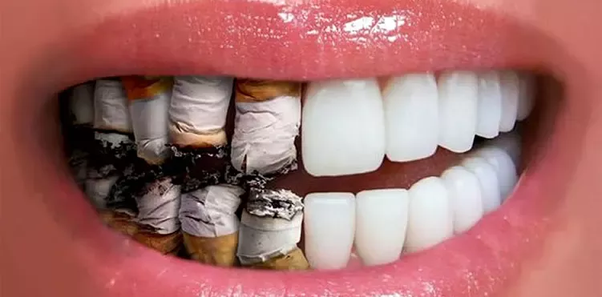
Smoking is a major risk factor for gum disease, also known as periodontal disease. People who smoke are significantly more likely to develop gum problems, experience severe oral infections, and suffer tooth loss. Understanding the connection between smoking and gum disease is critical for protecting your oral and overall health.
How Smoking Affects Your Gums
Nicotine and other chemicals in tobacco smoke negatively affect oral health in several ways:
Reduced blood flow: Smoking decreases blood circulation to the gums, impairing healing and immune response.
Weakened immune system: Smokers have a reduced ability to fight bacterial infections, including those that cause gum disease.
Altered bacterial environment: Tobacco promotes harmful bacteria that accelerate gum disease.
Delayed tissue repair: Gum tissues take longer to recover from inflammation or dental procedures.
Gum Disease Risk Factors in Smokers
Smokers are more prone to:
Gingivitis (early-stage gum disease)
Periodontitis (advanced gum disease)
Gum recession and tooth loss
Increased severity of gum disease compared to non-smokers
Research shows that smokers are up to two to six times more likely to develop severe gum disease than non-smokers.
Signs of Gum Disease to Watch For
If you smoke and notice any of these signs, it’s essential to see a dentist:
Bleeding gums during brushing or flossing
Red, swollen, or tender gums
Persistent bad breath
Receding gums or longer-looking teeth
Loose or shifting teeth
Early intervention can prevent irreversible damage.
How Quitting Smoking Improves Gum Health
Stopping smoking has immediate and long-term benefits for oral health:
Improved blood flow to gum tissue
Enhanced immune response to bacterial infections
Better healing after dental treatments
Reduced risk of tooth loss
Even if gum disease is present, quitting smoking increases the effectiveness of treatment and slows disease progression.
Prevention and Treatment
1. Professional Dental Care
Routine checkups and cleanings are crucial
Scaling and root planing (deep cleaning) can remove plaque and tartar below the gumline
2. Daily Oral Hygiene
Brush at least twice daily with fluoride toothpaste
Floss daily
Use an antimicrobial mouthwash to reduce bacterial load
3. Lifestyle Changes
Quit smoking and avoid tobacco products
Eat a balanced diet rich in vitamins C and D for gum health
4. Follow-Up Care
Regular dental visits for monitoring and maintenance
Early treatment of gum inflammation prevents progression to periodontitis
Final Thoughts: Protect Your Smile by Quitting Smoking
Smoking dramatically increases the risk of gum disease and tooth loss. Quitting smoking, combined with diligent oral hygiene and regular dental care, can significantly reduce your risk and improve the overall health of your gums.
Take control of your gum health today.
Call 9558 8988, email info@painfreedentistsydney.com.au, or book online to schedule a dental checkup and discuss strategies to prevent gum disease while quitting smoking.