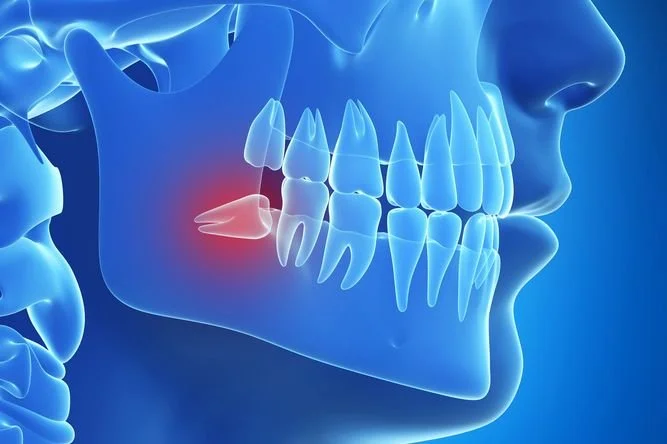
Wisdom teeth, or third molars, typically erupt between ages 17 and 25. However, many people experience impacted wisdom teeth, where the teeth do not fully emerge or grow in at an angle. Impacted wisdom teeth can lead to several dental complications, making early assessment and treatment crucial.
What Is an Impacted Wisdom Tooth?
An impacted wisdom tooth is one that:
Fails to emerge fully through the gum line
Grows at an angle, pressing against adjacent teeth
Remains trapped beneath the gum and jawbone
Impaction can be horizontal, vertical, or angular, each posing different risks to oral health.
Common Complications of Impacted Wisdom Teeth
1. Pain and Discomfort
Impacted wisdom teeth can cause jaw pain, swelling, and tenderness, making it difficult to chew or open the mouth comfortably.
2. Infection and Gum Disease
Partially erupted teeth can create pockets where bacteria accumulate, leading to pericoronitis, gum inflammation, and increased risk of infection.
3. Damage to Adjacent Teeth
Impacted wisdom teeth can push against neighboring molars, causing:
Tooth decay due to pressure and difficulty cleaning
Damage to roots and alignment
Crowding of teeth
4. Cysts and Tumors
Rarely, an impacted tooth can develop a cyst or benign tumor in the jawbone, which may damage surrounding bone and teeth.
5. Tooth Decay
Partially erupted teeth are hard to clean, increasing the risk of cavities in both the wisdom tooth and adjacent teeth.
6. Bite and Jaw Alignment Issues
Impacted wisdom teeth can contribute to misalignment, jaw stiffness, and temporomandibular joint (TMJ) discomfort.
Symptoms to Watch For
Pain or swelling in the back of the mouth
Red or bleeding gums around the wisdom tooth
Difficulty opening your mouth
Bad breath or unpleasant taste due to infection
Crowding or shifting of other teeth
Treatment Options
1. Observation
If the impacted tooth is asymptomatic and not causing problems, your dentist may monitor it through regular X-rays and checkups.
2. Extraction
Surgical removal is the most common treatment for impacted wisdom teeth causing pain, infection, or damage. The procedure involves:
Local anesthesia or sedation
Removal of the impacted tooth
Post-operative care including pain management and oral hygiene instructions
3. Preventive Care
Maintaining good oral hygiene, regular dental checkups, and early assessment of wisdom teeth can reduce the risk of complications.
Why Early Assessment Matters
Early evaluation allows dentists to determine the best course of action before complications arise. Removing problematic wisdom teeth at the right time can prevent pain, infection, and damage to adjacent teeth.
Final Thoughts: Don’t Ignore Impacted Wisdom Teeth
Impacted wisdom teeth can lead to serious dental issues if left untreated. Regular dental visits, early assessment, and timely treatment can protect your oral health and prevent long-term complications.
Protect your smile today.
Call 9558 8988, email info@painfreedentistsydney.com.au, or book online to schedule an assessment and discuss treatment options for impacted wisdom teeth.