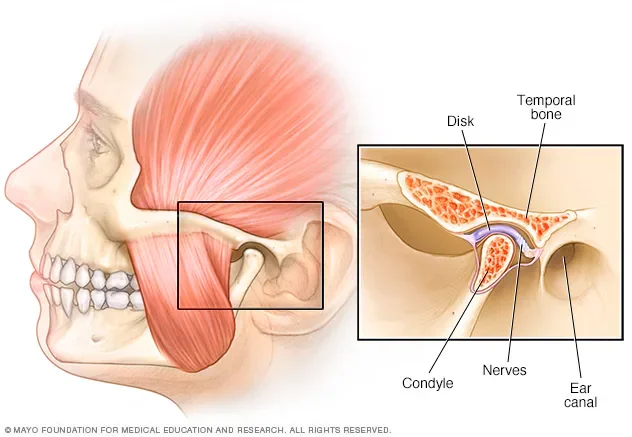
The temporomandibular joint (TMJ) connects your jawbone to your skull, allowing for movements necessary for chewing, speaking, and yawning. TMJ disorders occur when this joint or surrounding muscles are damaged or dysfunctional, leading to pain, discomfort, and impaired jaw function.
Early diagnosis and treatment are crucial to prevent complications and maintain overall oral health.
What Is TMJ Disorder?
TMJ disorders involve problems with:
Jaw joints
Muscles controlling jaw movement
Supporting ligaments
Causes include:
Teeth grinding or clenching (bruxism)
Jaw injury or trauma
Arthritis or degenerative joint disease
Poor posture or misaligned bite
Stress-related muscle tension
Symptoms of TMJ Disorder
Jaw pain or tenderness
Clicking, popping, or grating sounds when opening or closing the mouth
Difficulty chewing or biting
Headaches or migraines
Ear pain or ringing (tinnitus)
Facial pain or stiffness
Limited jaw movement
Sleep disturbances, including snoring and sleep apnea
Recognizing symptoms early helps prevent worsening of the condition.
Why TMJ Treatment Is Important
1. Prevents Chronic Pain
Untreated TMJ disorders can lead to persistent jaw and facial pain, impacting daily activities, sleep, and quality of life.
2. Protects Teeth and Jaws
Bruxism associated with TMJ can cause:
Tooth wear, fractures, or sensitivity
Misalignment of the bite
Increased risk of jaw joint degeneration
3. Reduces Headaches and Migraines
Jaw muscle tension can trigger frequent headaches or migraines. Treating TMJ can alleviate these symptoms and improve comfort.
4. Improves Sleep and Breathing
TMJ disorders can contribute to poor sleep quality and airway obstruction, increasing the risk of sleep apnea. Correcting jaw alignment and reducing muscle tension may enhance sleep and breathing.
5. Enhances Overall Wellbeing
Addressing TMJ disorders can improve eating, speaking, and daily function, reducing stress and promoting a better quality of life.
Treatment Options for TMJ Disorder
Lifestyle modifications: Stress management, avoiding hard foods, improving posture
Dental appliances: Night guards to prevent teeth grinding and jaw strain
Physiotherapy: Exercises to strengthen and relax jaw muscles
Medications: Pain relief and muscle relaxants for temporary relief
Botox therapy: Targeted injections to relax overactive jaw muscles
Surgical intervention: Reserved for severe, non-responsive cases
Treatment plans are personalized depending on the severity and cause of the disorder.
Final Thoughts: Don’t Ignore TMJ Symptoms
TMJ disorders can significantly impact oral health, comfort, and daily function. Early assessment and treatment are essential to prevent chronic pain, dental damage, sleep disturbances, and reduced quality of life.
Take the first step toward TMJ relief today.
Call 9558 8988, email info@painfreedentistsydney.com.au, or book online to schedule a consultation and explore personalized treatment options.