
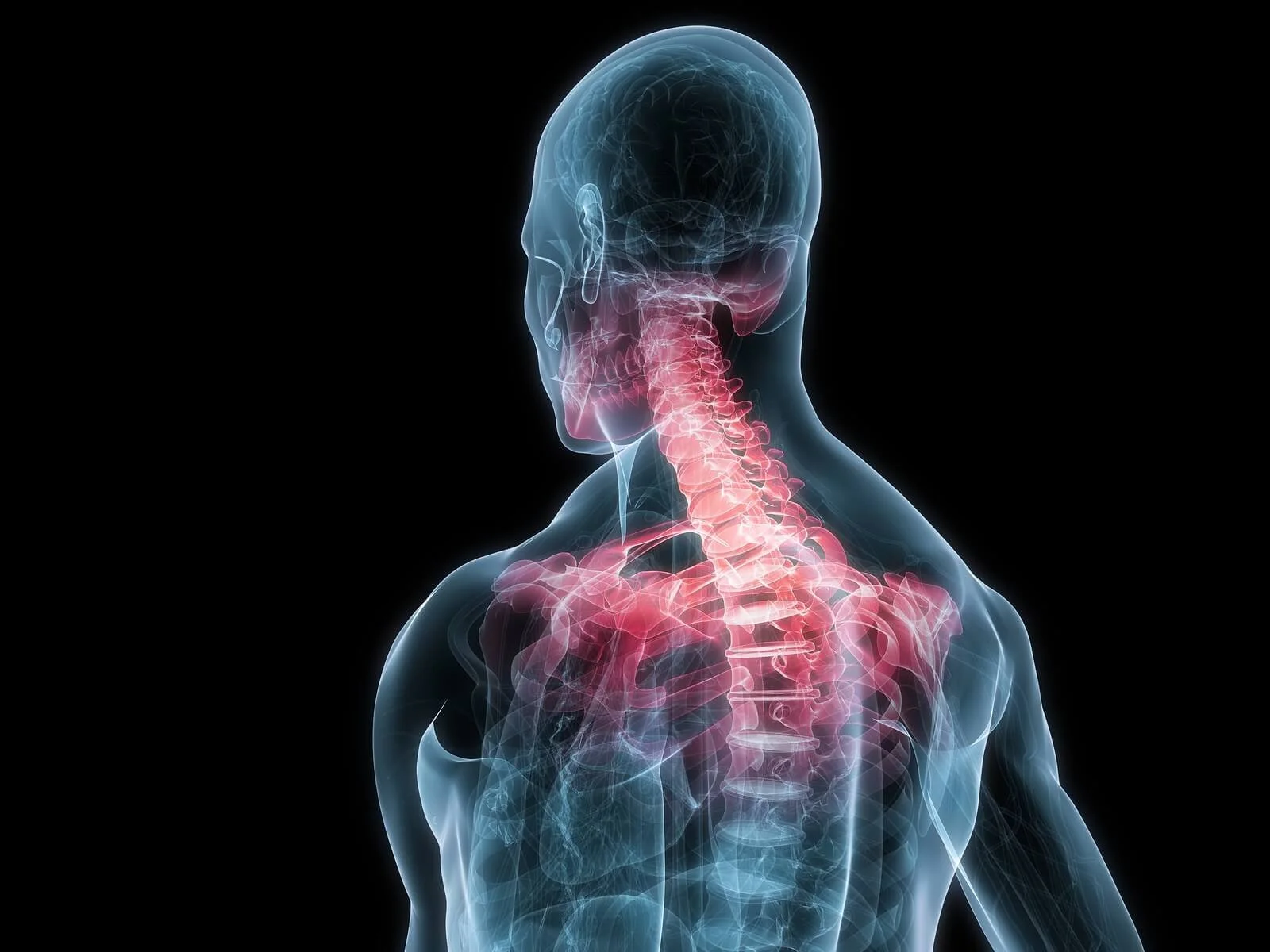
Temporomandibular joint (TMJ) disorders affect the jaw joint and surrounding muscles, causing pain, limited movement, and discomfort. Many patients are unaware that poor posture can contribute to TMJ problems, creating a cycle of jaw tension, headaches, and neck pain.
Understanding the link between posture and TMJ is crucial for effective treatment and long-term relief.
How Posture Affects TMJ Health
The temporomandibular joint is closely connected to the muscles of the neck, shoulders, and upper back. Poor posture, such as slouching or forward head position, can place additional strain on these muscles, leading to:
Increased tension in the jaw muscles
Misalignment of the TMJ
Chronic jaw pain or clicking
Headaches and neck pain
Over time, this strain can worsen existing TMJ problems or contribute to the development of new issues.
Common Posture-Related TMJ Symptoms
Watch for these signs if you have poor posture and suspect TMJ problems:
Jaw pain, stiffness, or limited movement
Clicking, popping, or grinding sounds in the jaw
Frequent headaches or migraines
Neck, shoulder, or upper back pain
Tooth wear from grinding or clenching (bruxism)
Managing TMJ Problems Through Posture
1. Maintain Proper Head and Neck Alignment
Keep ears aligned over shoulders
Avoid forward head posture, especially when using computers or smartphones
Take regular breaks to stretch and correct posture
2. Strengthening and Stretching Exercises
Neck and shoulder stretches to reduce muscle tension
Jaw relaxation exercises recommended by a dental professional or physiotherapist
3. Ergonomic Workstations
Adjust chair, monitor, and keyboard height to promote a neutral spine
Use supportive chairs and proper desk setup to reduce strain
4. Stress Management
Stress can worsen muscle tension and TMJ symptoms
Techniques such as meditation, deep breathing, and yoga can help alleviate tension
5. Dental Interventions
Custom night guards to prevent teeth grinding
Corrective dental treatment for bite misalignment
Why Posture Should Not Be Overlooked
Addressing TMJ pain without considering posture may only provide temporary relief. Improving posture helps reduce muscle strain, prevent worsening of jaw dysfunction, and complement dental or medical interventions for lasting results.
Final Thoughts: Align Your Posture, Protect Your Jaw
TMJ problems are often multifactorial, and posture plays a key role in both prevention and management. By maintaining good posture, performing exercises, and seeking professional dental care, you can reduce jaw pain, prevent headaches, and improve overall musculoskeletal health.
Take control of TMJ pain today.
Call 9558 8988, email info@painfreedentistsydney.com.au, or book online to schedule a consultation and learn how posture and dental care can work together to relieve TMJ discomfort.