
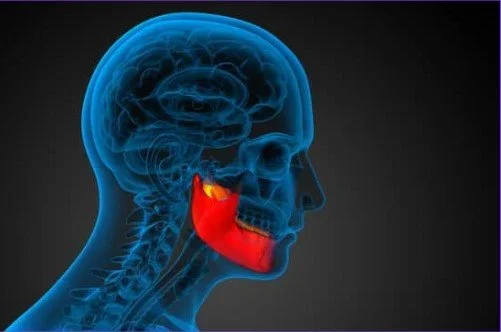
A traumatic workplace incident can affect a person's physical and psychological wellbeing long after the event itself. For some people, recovery involves more than treating the original injury. Ongoing anxiety, disturbed sleep and symptoms of post-traumatic stress disorder (PTSD) may occur alongside teeth grinding, jaw clenching, facial muscle pain and headaches.
If you developed PTSD after a work-related injury and are now experiencing jaw discomfort or persistent headaches, you may be wondering whether these symptoms are connected.
Although PTSD does not automatically cause dental or jaw problems, research suggests that psychological trauma, painful temporomandibular disorders (TMD) and bruxism can be associated. Understanding this relationship may help you seek appropriate assessment and treatment.
What Happens to Your Body After a Traumatic Workplace Incident?
Following a frightening or distressing event, some people experience prolonged changes in their stress response. PTSD can involve intrusive memories, nightmares, heightened alertness, anxiety and difficulty sleeping.
These symptoms may affect everyday activities, concentration, rest and muscle tension.
Some people notice that they tighten their jaw when feeling stressed or remain unaware that they are clenching their teeth during the day. Others experience sleep-related teeth grinding or wake up with sore jaw muscles.
Over time, repeated clenching and grinding may contribute to discomfort in the chewing muscles and place additional stress on the teeth and existing dental restorations.
However, these symptoms can also have other causes, so an individual assessment is important.
The Connection Between PTSD and Teeth Grinding
Teeth grinding and clenching are commonly described as bruxism. Bruxism can occur while awake or during sleep, and the two forms may have different contributing factors.
People experiencing PTSD may have disturbed sleep, increased arousal or heightened muscle tension. These factors can coexist with bruxism, although PTSD is not the sole cause of teeth grinding.
Signs that you may be clenching or grinding your teeth include:
Waking up with a tired or sore jaw.
Feeling tightness around the cheeks or temples.
Noticing that your teeth remain pressed together during the day.
Experiencing increased tooth sensitivity or wear.
Developing cracks or damage to fillings and other restorations.
Having a partner notice grinding sounds during sleep.
If these symptoms began or worsened after a traumatic workplace incident, tell your dentist when you first noticed them and whether they fluctuate with your other symptoms.
Why Can Jaw Clenching Lead to Headaches?
The muscles used for chewing extend across the cheeks and temples. When these muscles become painful or overworked, discomfort may be felt beyond the jaw itself.
Some people with TMD experience headaches around the temples, facial soreness or pain that increases with chewing and jaw movement.
Possible symptoms include:
Temple headaches: Pain or tenderness around the sides of the head, sometimes associated with jaw muscle discomfort.
Morning headaches: Headaches occurring on waking may warrant assessment for several possible causes, including sleep disturbances, bruxism or other conditions.
Facial tension: Persistent tightness around the cheeks, temples or jaw can make everyday activities uncomfortable.
Jaw joint discomfort: Pain near the ears, clicking, restricted movement or difficulty opening the mouth may indicate a need for TMJ assessment.
Not every headache originates from the jaw. Migraine, tension-type headaches, sleep disorders and other medical conditions may produce similar symptoms. A proper assessment helps determine whether the jaw is contributing.
Could Your TMJ Symptoms Be Related to Your Work Injury?
The timing of symptoms can be an important part of your medical and dental history.
For example, a person may experience a workplace accident, develop PTSD during recovery and subsequently notice increased clenching, poor sleep and jaw pain. Another person may sustain a direct facial injury and later experience restricted jaw movement.
These are different clinical situations and should be evaluated individually.
Your dentist may ask about:
The nature and date of the original workplace incident.
Whether you sustained a direct injury to your face, teeth or jaw.
When your PTSD symptoms and jaw symptoms began.
Any previous history of jaw pain, headaches or teeth grinding.
Changes in sleep, medication or other health conditions.
How the symptoms affect eating, speaking, sleeping and daily activities.
This information can help guide the clinical assessment. It does not, by itself, establish that a workplace incident caused the TMJ disorder.
Can Workers Compensation Cover Treatment for Teeth Grinding and TMJ Pain?
In NSW, workers compensation may cover appropriate treatment for a condition accepted as related to a compensable workplace injury, subject to the relevant legal requirements and insurer approval processes.
If you have an accepted claim involving a workplace injury or psychological condition, and you subsequently develop persistent jaw pain or bruxism, you can ask your treating doctor or insurer whether assessment of the jaw condition is appropriate.
The insurer may require clinical reports explaining the diagnosis, symptoms, proposed treatment and possible relationship to the original injury.
It is important to understand that:
An accepted PTSD claim does not automatically mean that a TMJ condition is also accepted.
Teeth grinding or jaw pain may have multiple contributing factors.
A dentist can document clinical findings and provide an opinion within their professional scope.
Funding and approval depend on the individual claim and applicable workers compensation requirements.
If you are unsure about your eligibility, contact your insurer or seek advice from a qualified workers compensation professional.
How Can a TMJ Dentist Assess Jaw Pain After PTSD?
A comprehensive dental and jaw assessment can help identify whether your symptoms may involve the teeth, chewing muscles, jaw joints or a combination of factors.
Depending on your symptoms, the assessment may include:
Dental examination: Checking for tooth wear, fractures, sensitivity and damage to existing dental work.
Jaw movement assessment: Evaluating opening range, movement patterns, joint discomfort and other relevant signs.
Muscle examination: Assessing the chewing muscles for tenderness and possible signs of overactivity.
Review of symptom history: Considering when the symptoms began, what aggravates them and whether there are relevant sleep or psychological factors.
Further investigations: Imaging or referral may be appropriate when indicated by the clinical findings.
Treatment should be tailored to the diagnosis rather than assuming that every case of jaw pain requires the same approach.
What Treatment Options May Help?
Management depends on the underlying causes and the severity of your symptoms. Options may include:
Education about jaw habits and reducing unnecessary clenching.
Appropriate jaw exercises or physiotherapy where indicated.
A carefully selected oral appliance for suitable patients.
Dental treatment for damaged teeth or restorations.
Further assessment of persistent headaches or sleep problems.
Coordination with your treating doctor or mental health professional.
Some patients may benefit from a combination of approaches. An oral appliance may help protect teeth in selected cases, but it does not necessarily eliminate bruxism or treat PTSD.
Similarly, treatment for jaw pain should not replace appropriate care for the psychological effects of a traumatic event.
Don't Ignore Persistent Jaw Pain After a Workplace Injury
Living with PTSD can be challenging, particularly when physical symptoms interfere with sleep, eating or daily life. If you are also experiencing teeth grinding, jaw pain or headaches, it is worth discussing these symptoms with your healthcare providers.
Identifying the possible contributing factors can help you make informed decisions about treatment and, where relevant, provide clearer clinical documentation for your workers compensation claim.
TMJ Assessment in Sydney's Inner West
At Pain Free Dentist Sydney, we assess patients experiencing jaw pain, teeth grinding, headaches and other symptoms associated with temporomandibular disorders.
If your symptoms developed after a work-related injury or during recovery from PTSD, we can assess your dental and jaw concerns and discuss suitable management options.
Contact our clinic to enquire about a TMJ consultation and any documentation that may be relevant to your circumstances. Please confirm insurer requirements and treatment approval before proceeding with workers compensation-funded care.
Pain Free Dentist Sydney
G1A / Suite 1A, 570 New Canterbury Road, Hurlstone Park NSW 2193
Phone: 02 9558 8988
Email: info@painfreedentistsydney.com.au
Website: painfreedentistsydney.com.au
This article is for general educational purposes and does not replace medical, dental, psychological or legal advice. PTSD, bruxism, headaches and TMJ disorders can have multiple causes. A clinical assessment is required to determine appropriate care, and workers compensation eligibility is determined under the applicable rules and individual claim circumstances.