Have you ever experienced a toothache that keeps you awake at night? Perhaps you feel a sharp pain when drinking something cold, discomfort when biting down or a deep throbbing sensation that seems to come from inside your tooth.
These symptoms may indicate inflammation or infection of the dental pulp – the soft tissue inside your tooth containing nerves and blood vessels.
When the pulp becomes severely inflamed or infected, root canal treatment may be recommended to remove the affected tissue, clean the inside of the tooth and preserve your natural tooth structure.
At Pain Free Dentist Sydney – Dr Lisa Chong Clinic in Dulwich Hill, we understand that the thought of root canal treatment can be worrying. Modern root canal procedures are designed to relieve pain, remove infection and help you keep your natural tooth whenever possible.
What Is Root Canal Treatment?
Root canal treatment, also known as endodontic treatment, is a dental procedure used to treat infection or inflammation inside a tooth.
The innermost part of the tooth contains the dental pulp, which consists of nerves, blood vessels and connective tissue. When this tissue becomes damaged or infected, it can cause significant pain and may eventually lead to an abscess.
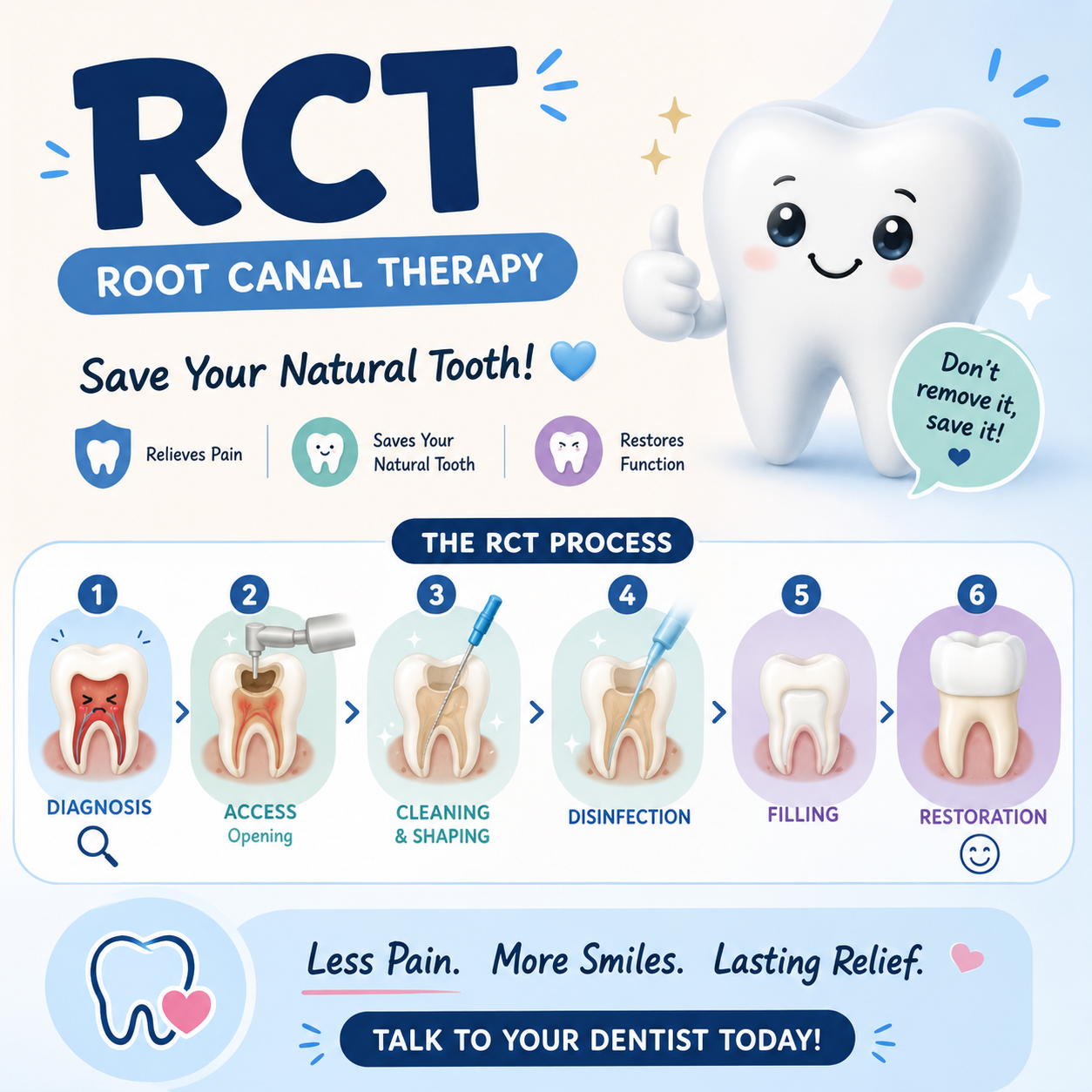
During root canal treatment, the dentist carefully removes the affected pulp, cleans and disinfects the internal root canal system, and seals the space with a suitable filling material.
The tooth can then be restored to help protect it and restore its function.
The main aim is to save your natural tooth rather than remove it.
Why Do You Need Root Canal Treatment?
There are several reasons why the dental pulp may become inflamed, infected or irreversibly damaged.
1. Deep Tooth Decay
When tooth decay progresses through the enamel and dentine, bacteria can eventually reach the pulp.
Once the pulp becomes infected or irreversibly inflamed, a simple filling may no longer be sufficient.
2. Cracked or Fractured Teeth
A cracked tooth can allow bacteria to enter the inner structures of the tooth. Depending on the depth and location of the crack, the pulp may become inflamed or infected.
3. Dental Trauma
A blow to the mouth, sporting injury or accident can damage the blood supply to the dental pulp. Sometimes the damage becomes apparent months or even years after the original injury.
4. Repeated Dental Procedures
Teeth that have undergone multiple restorations or extensive dental treatment may develop pulp inflammation or damage.
5. Advanced Infection
An untreated dental infection may progress beyond the pulp and affect the tissues surrounding the root. This can result in an abscess, swelling and significant discomfort.
What Are the Signs You May Need a Root Canal?
Not every infected tooth causes obvious pain. However, common warning signs include:
Persistent or throbbing toothache.
Pain that wakes you during the night.
Sensitivity to hot or cold that lingers after the stimulus is removed.
Pain when chewing or biting.
Swelling or tenderness around the affected tooth.
A pimple-like swelling on the gum.
Darkening or discolouration of a tooth.
A bad taste in the mouth associated with drainage.
Pain that comes and goes without an obvious reason.
Some teeth with pulp damage may have no symptoms at all and are discovered during a routine dental examination or X-ray.
If you notice facial swelling, fever or rapidly worsening pain, seek urgent dental care. Difficulty breathing or swallowing requires emergency medical attention.
Does Root Canal Treatment Hurt?
One of the biggest concerns patients have is whether root canal treatment is painful.
In reality, modern root canal treatment is performed using local anaesthesia to numb the affected tooth and surrounding area. The purpose of treatment is to relieve the pain caused by inflamed or infected dental pulp.
You may experience some pressure or vibration during the procedure, but you should let your dentist know if you feel discomfort so that additional anaesthesia or other measures can be considered.
After treatment, mild tenderness around the tooth may occur for several days, particularly if there was significant inflammation or infection before the procedure.
Our team takes the time to explain each step and help patients feel as comfortable as possible.
What Happens During Root Canal Treatment?
The procedure depends on the tooth involved, the number of roots and the complexity of the internal canal system.
Generally, treatment involves the following steps.
Step 1: Examination and X-rays
Your dentist examines the tooth, reviews your symptoms and takes appropriate dental X-rays to assess the roots and surrounding bone.
In selected complex cases, additional imaging may be recommended.
Step 2: Local Anaesthesia
Local anaesthetic is administered to numb the tooth and surrounding tissues.
This helps make the procedure more comfortable.
Step 3: Accessing the Root Canal
A small opening is made through the biting surface or back of the tooth to access the pulp chamber.
Step 4: Removing the Infected or Damaged Pulp
The affected pulp tissue is carefully removed. The root canals are then cleaned, shaped and disinfected to reduce bacteria within the canal system.
Step 5: Sealing the Root Canals
Once the canals have been appropriately cleaned and prepared, they are filled with a biocompatible material, commonly gutta-percha, and sealed.
Step 6: Restoring the Tooth
After root canal treatment, the tooth needs an appropriate restoration to protect it from fracture and restore its function.
Depending on the amount of remaining tooth structure, this may involve a permanent filling, an onlay or a dental crown.
Will I Need a Crown After Root Canal Treatment?
Not every root canal-treated tooth requires a crown, but many do, particularly back teeth.
Molars and premolars experience substantial chewing forces. If a tooth has lost a significant amount of structure through decay, previous fillings or fracture, it may be more vulnerable to breaking.
A crown or other suitable protective restoration can help reinforce the remaining tooth structure.
The decision depends on the tooth's location, the amount of remaining healthy structure, existing cracks and your bite.
Can a Root Canal-Treated Tooth Get Infected Again?
Yes. Although root canal treatment is designed to remove infection and seal the internal canal system, reinfection can occasionally occur.
Possible reasons include:
Complex or unusually shaped root canals.
Persistent bacteria within the canal system.
Leakage around a restoration.
A fractured tooth.
New decay developing around an existing filling or crown.
Delayed placement of the final restoration.
If symptoms return, your dentist may recommend further assessment. Depending on the findings, options may include root canal retreatment, specialist endodontic treatment or, in some cases, extraction.
Is It Better to Save a Tooth or Have It Removed?
Whenever a tooth can be predictably restored, preserving your natural tooth is often worth considering.
Your natural teeth play an important role in chewing, maintaining bite relationships and supporting everyday oral function.
If a tooth is removed, replacement options may include a dental implant, dental bridge or removable denture.
However, not every tooth can be saved. If the tooth is severely fractured, has inadequate remaining structure or has a poor long-term prognosis, extraction may be the more appropriate option.
Your dentist can discuss the advantages, limitations and risks of each approach.
How Long Does Root Canal Treatment Take?
The treatment time depends on the tooth and the complexity of the root canal system.
Front teeth generally have fewer canals, while molars can have several canals with complex anatomy.
Some cases can be completed in one appointment, while others may require multiple visits, particularly where infection or complex anatomy needs additional management.
Your dentist will explain the expected treatment sequence after assessing the tooth.
How Do You Look After a Tooth After Root Canal Treatment?
Good oral hygiene and appropriate restoration are essential after root canal treatment.
We recommend:
Brush twice daily with fluoride toothpaste.
Clean between your teeth every day.
Avoid chewing hard foods on the treated tooth until it has been adequately restored.
Attend your recommended follow-up appointments.
Have regular dental examinations and professional cleans.
Arrange assessment if you develop renewed pain, swelling or discomfort.
A root canal-treated tooth can remain functional for many years, but it still requires ongoing care.
Root Canal Treatment in Dulwich Hill, Sydney
If you are experiencing persistent toothache, sensitivity, swelling or discomfort when chewing, do not ignore the symptoms.
At Pain Free Dentist Sydney – Dr Lisa Chong Clinic, we provide dental assessments to identify the cause of tooth pain and discuss appropriate treatment options.
Our priority is to help you understand your dental condition, relieve discomfort and preserve your natural teeth whenever clinically appropriate.
If you think you may need root canal treatment, contact our clinic to arrange an examination.
Pain Free Dentist Sydney – Dr Lisa Chong Clinic
Dulwich Hill, NSW
Phone: 02 9558 8988
Email: info@painfreedentistsydney.com.au
Website: https://painfreedentistsydney.com.au