
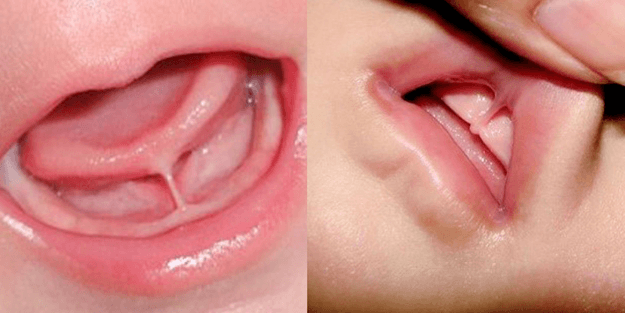
The first few months of a baby's life are an important period of growth and development. Feeding, swallowing and early oral movements play an essential role in a newborn's wellbeing.
However, some babies experience difficulties breastfeeding or bottle feeding because of restrictions in the small bands of tissue connecting the tongue or lips to the surrounding oral structures.
These conditions are commonly known as tongue tie and lip tie.
Many parents have never heard of these conditions until they experience breastfeeding difficulties, painful feeding sessions or concerns about their baby's ability to latch properly.
Understanding tongue tie and lip tie is important because early recognition can help parents seek appropriate professional advice and make informed decisions about their baby's oral health.
What Is Tongue Tie in Babies?
Tongue tie, medically known as ankyloglossia, occurs when the lingual frenulum – the small band of tissue underneath the tongue – restricts normal tongue movement.
The lingual frenulum connects the underside of the tongue to the floor of the mouth.
In some babies, this tissue may be unusually short, tight, thick or restrictive, limiting the tongue's ability to move freely.
The tongue is essential for breastfeeding because it helps the baby maintain suction, coordinate feeding movements and transfer milk effectively.
When tongue movement is restricted, some babies may experience difficulty achieving or maintaining an effective latch.
However, not every baby with a visible or prominent lingual frenulum has a functional tongue tie requiring treatment.
What Is Lip Tie in Babies?
Lip tie refers to a restrictive upper labial frenulum, which is the band of tissue connecting the inside of the upper lip to the gum.
In some babies, the upper labial frenulum is prominent or may appear to extend towards the front gum.
A restrictive upper lip may potentially affect lip movement and feeding in selected cases.
However, a visible upper lip frenulum is a normal anatomical finding in babies and children. Its appearance alone does not establish that a lip tie is causing feeding difficulties or that surgical treatment is necessary.
A functional assessment is important before considering any procedure.
What Is the Difference Between Tongue Tie and Lip Tie?
Although both conditions involve oral frenulum tissue, they affect different areas of the mouth.
Tongue tie:
Involves the lingual frenulum underneath the tongue.
May restrict tongue elevation, extension or movement.
Can interfere with effective feeding in some babies.
Lip tie:
Usually refers to the upper labial frenulum.
May be associated with restricted upper lip movement in selected cases.
Its relationship with breastfeeding difficulties is less clearly established.
Some babies have both conditions, while others have only one.
The presence of both does not automatically mean both require treatment.
What Are the Signs of Tongue Tie and Lip Tie in Babies?
Parents may notice several signs when a baby experiences difficulty feeding.
Possible signs include:
Difficulty attaching to the breast.
Frequently losing the latch.
Clicking sounds during breastfeeding.
Difficulty maintaining suction.
Milk leaking from the sides of the mouth.
Long or exhausting feeding sessions.
Frequent feeding without appearing satisfied.
Poor milk transfer.
Difficulty gaining weight appropriately.
Maternal nipple pain or trauma.
Frustration during breastfeeding or bottle feeding.
It is important to understand that these symptoms can have several causes, including positioning difficulties, milk supply issues, oral motor problems and other medical conditions.
A proper assessment should consider the entire feeding process rather than attributing every feeding problem to tongue tie or lip tie.
How Can Tongue Tie Affect Breastfeeding?
During breastfeeding, a baby needs coordinated tongue and jaw movements to maintain a comfortable latch and transfer milk.
The tongue helps create a seal and generate the movements needed for effective milk removal.
When tongue mobility is restricted, some babies may struggle to maintain suction or transfer milk efficiently.
This can potentially contribute to:
1. Poor latch
The baby may struggle to attach deeply or maintain a stable position on the breast.
2. Clicking sounds
Repeated loss of suction may produce clicking sounds during feeding.
3. Maternal nipple pain
An ineffective latch may increase pressure and friction on the mother's nipple, causing soreness, compression or trauma.
4. Prolonged feeding
Some babies may take longer to feed because they cannot transfer milk efficiently.
5. Feeding frustration
A baby who struggles to maintain suction may become unsettled or frustrated during feeding.
Early identification and appropriate feeding support may help address these difficulties.
Why Should Parents Be Educated About Tongue Tie and Lip Tie?
Many parents are unfamiliar with oral restrictions in newborns.
Some may spend weeks trying different breastfeeding positions, bottles or feeding techniques without understanding that restricted tongue movement could be one contributing factor.
Parent education is important for several reasons.
1. Recognising Early Warning Signs
Understanding the potential symptoms allows parents to seek professional advice when feeding difficulties persist.
2. Avoiding Unnecessary Delays
If a baby has a genuine functional restriction, an appropriate assessment may help identify the problem and guide timely management.
3. Understanding Normal Oral Anatomy
Not every prominent frenulum is abnormal, and not every baby requires a frenectomy.
Parents should understand the difference between normal anatomical variation and a restriction that causes functional difficulties.
4. Making Informed Treatment Decisions
Parents should receive clear explanations about the assessment findings, available treatment options, potential benefits, limitations and risks before consenting to any procedure.
5. Supporting Breastfeeding
Early involvement of an appropriately qualified lactation consultant or healthcare professional can help identify positioning, attachment and feeding issues that may be contributing to the problem.
Education empowers parents to make informed decisions rather than feeling pressured into treatment.
How Is Baby Tongue Tie Diagnosed?
A proper tongue tie assessment involves more than simply looking underneath the tongue.
The healthcare professional should consider both the appearance and function of the tongue.
An assessment may include:
Examination of the lingual frenulum.
Evaluation of tongue elevation and extension.
Assessment of tongue movement and coordination.
Observation of breastfeeding or bottle feeding where appropriate.
Review of latch quality.
Assessment of milk transfer and feeding efficiency.
Consideration of the baby's growth and weight gain.
Review of maternal breastfeeding discomfort.
The assessment should also consider other possible causes of feeding difficulties.
A visual classification system alone should not determine whether treatment is necessary.
What Is a Baby Frenectomy?
A frenectomy or frenotomy is a procedure involving the release of restrictive frenulum tissue.
For babies with a clinically significant tongue tie causing ongoing functional feeding difficulties, a tongue tie release may be considered following appropriate assessment and feeding support.
The procedure aims to improve tongue mobility by releasing the restrictive tissue.
Depending on the baby's condition and the clinician's assessment, the procedure may be performed using appropriate surgical instruments, such as scissors.
Not every baby requires a frenectomy, and evidence supporting routine lip tie release for breastfeeding difficulties is limited.
The potential benefits and risks should be discussed with parents before treatment.
Does Every Baby With Tongue Tie or Lip Tie Need Treatment?
No.
This is one of the most important messages for parents.
A baby may have a visible frenulum without experiencing any functional problems.
Treatment should not be recommended based on appearance alone.
The decision should consider:
Whether tongue movement is genuinely restricted.
Whether the restriction affects feeding function.
Whether breastfeeding difficulties persist despite appropriate support.
Whether other causes have been investigated.
Whether the expected benefits of treatment outweigh the risks.
A conservative approach is appropriate when the baby feeds comfortably, transfers milk effectively and is growing well.
What Happens If Tongue Tie Is Left Untreated?
Not every tongue tie causes problems, and many babies with a visible frenulum develop and feed normally.
However, when a genuine functional restriction affects feeding, ongoing difficulties may occur.
These may include persistent latch problems, inefficient milk transfer and continued breastfeeding discomfort.
As children grow, restricted tongue mobility may warrant reassessment if there are concerns about oral function.
However, tongue tie should not automatically be blamed for future speech difficulties, dental problems, sleep disorders or other developmental concerns. Evidence for many proposed long-term associations remains limited.
Why Is a Team Approach Important?
Managing infant tongue tie and lip tie may require input from more than one healthcare professional.
Depending on the baby's needs, the care team may include:
A GP or paediatrician.
A lactation consultant.
A dentist experienced in infant oral assessment.
Other appropriately qualified healthcare professionals involved in feeding support.
A coordinated approach helps ensure that feeding difficulties are properly investigated and that parents receive appropriate support before and after any procedure.
Parents should also be informed about possible complications, including bleeding, infection, pain, feeding refusal and the possibility that symptoms may not improve after release.
Helping Parents Make Informed Decisions About Their Baby's Oral Health
Every baby is different. Some babies feed comfortably despite having a prominent frenulum, while others may experience genuine functional restrictions.
The most important thing is not to assume that every tongue tie or lip tie needs surgery, but also not to dismiss persistent feeding difficulties without proper investigation.
At Pain Free Dentist Sydney – Dulwich Hill, we believe parent education, careful assessment and informed consent are essential when considering infant tongue tie and lip tie.
If you have concerns about your baby's tongue movement, upper lip mobility or feeding difficulties, an appropriate dental and feeding assessment can help determine whether further support or treatment may be indicated.
An informed parent is better equipped to make confident decisions about their baby's oral health and development.
Book an Assessment
Pain Free Dentist Sydney – Dulwich Hill
Phone: 02 9558 8988
Email: info@painfreedentistsydney.com.au
Website: https://painfreedentistsydney.com.au