Do you frequently experience neck stiffness, shoulder tension, headaches or persistent upper back discomfort? Have you tried massages, physiotherapy, stretching or pain relief without achieving lasting improvement?
One possible contributing factor that is sometimes overlooked is temporomandibular joint disorder (TMD), commonly referred to as TMJ disorder.
The temporomandibular joints connect your lower jaw to your skull and play an essential role in speaking, chewing, swallowing and everyday jaw movements. However, their function is closely connected to the muscles of the head, face and neck.
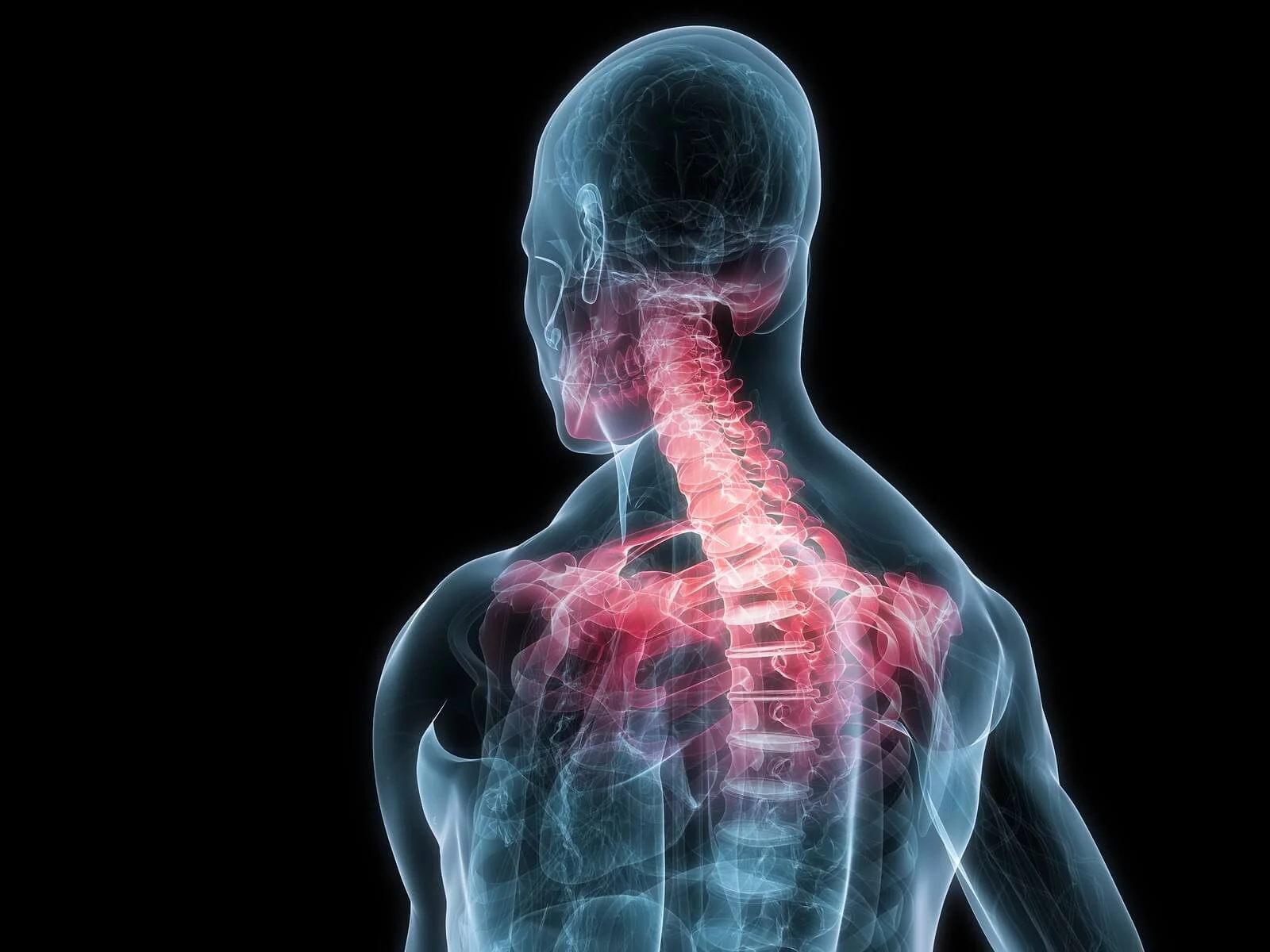
When the jaw joints or surrounding muscles are not functioning comfortably, some individuals may also experience discomfort extending into the neck, shoulders and upper back.
Understanding this relationship may help patients explore a more comprehensive approach to managing persistent pain.
What Is TMJ Disorder?
TMJ disorder (TMD) refers to a group of conditions affecting the temporomandibular joints, the muscles responsible for jaw movement and surrounding structures.
These conditions can involve joint inflammation, muscle overactivity, altered jaw movement, disc displacement and other musculoskeletal problems.
Common symptoms include:
Jaw pain or tenderness.
Clicking, popping or grinding sounds when opening the mouth.
Difficulty opening the mouth fully.
Jaw locking or restricted movement.
Facial muscle tension.
Frequent headaches or temple pain.
Ear discomfort or a sensation of pressure.
Teeth clenching and grinding.
Neck stiffness and muscular discomfort.
Shoulder tension and upper back pain.
Not everyone experiences the same symptoms. Some patients may primarily complain of neck and shoulder pain without initially recognising that their jaw function could also be contributing.
How Can TMJ Disorder Cause Neck and Shoulder Pain?
The jaw does not function independently from the rest of the body. The muscles and joints involved in jaw movement interact with the surrounding cervical and craniofacial muscular systems.
When the jaw muscles become overactive or painful, surrounding muscles may also become tense or sensitive.
Several mechanisms may explain this relationship.
1. Overactive Jaw Muscles and Muscle Tension
The muscles responsible for chewing include the masseter and temporalis muscles.
When a person repeatedly clenches or grinds their teeth, these muscles may become overworked.
Persistent muscle activity can contribute to tenderness, fatigue and referred pain.
Some patients experience discomfort extending from the jaw and temples towards the neck and shoulders.
2. The Relationship Between the Jaw and Neck Muscles
The muscles surrounding the jaw and cervical spine work together to support head positioning and coordinated movement.
Important muscles include:
Masseter.
Temporalis.
Sternocleidomastoid.
Upper trapezius.
Suboccipital muscles.
Deep cervical flexors.
When pain or muscular dysfunction develops in one region, it may influence muscle activity and movement patterns in neighbouring areas.
This may contribute to a cycle of jaw tension, neck stiffness and shoulder discomfort.
3. Forward Head Posture and Cervical Muscle Strain
Postural habits may influence the relationship between the jaw and neck.
People who spend extended periods working at computers, looking down at mobile phones or maintaining a forward head position may develop increased cervical muscle loading.
In some individuals with TMD, altered head and neck positioning may coexist with jaw muscle discomfort.
However, posture is only one possible contributing factor and does not explain every case of TMJ-related pain.
4. Bruxism: Clenching and Grinding
Bruxism involves repetitive or sustained jaw muscle activity, including clenching and grinding.
Some people grind their teeth during sleep without being aware of it.
Over time, excessive jaw muscle activity may contribute to:
Jaw muscle soreness.
Tooth wear and fractures.
Morning headaches.
Facial tenderness.
Increased sensitivity around the temples.
Neck and shoulder muscle discomfort.
Sleep bruxism and TMD can occur together, although the relationship is complex and not every person who grinds their teeth develops chronic pain.
5. Stress and Nervous System Sensitivity
Stress can influence how the body responds to pain.
During periods of emotional or physical stress, some individuals unconsciously clench their jaws, tighten their facial muscles or elevate their shoulders.
Persistent muscle tension may contribute to discomfort in multiple areas.
In patients with longstanding pain, the nervous system may also become more sensitive, meaning that discomfort can persist even after the original contributing factors have improved.
This is why chronic TMJ-related pain sometimes requires a multidisciplinary approach rather than focusing exclusively on the jaw joint.
Why Does Neck and Shoulder Pain Sometimes Persist Despite Treatment?
Many patients seek help for chronic neck and shoulder discomfort through massage, chiropractic treatment, physiotherapy or general pain management.
These approaches may provide relief, but symptoms can sometimes return.
One possible explanation is that the underlying contributing factors have not been fully identified.
For example, a patient may receive treatment for tight neck muscles while continuing to clench their teeth throughout the day or grind during sleep.
If jaw muscle overactivity is contributing to the overall muscular discomfort, addressing the neck alone may not provide sufficient long-term improvement.
This does not mean that physiotherapy or massage is ineffective. Rather, it highlights the importance of assessing the jaw, cervical muscles and other potential pain contributors together.
What Are the Signs That Your Neck Pain May Be Related to TMJ Disorder?
Consider seeking an assessment if you experience several of the following symptoms:
Persistent neck and shoulder stiffness.
Jaw clicking or popping.
Pain when chewing.
Frequent headaches around the temples.
Morning jaw soreness.
Teeth grinding or clenching.
Restricted mouth opening.
Facial muscle tenderness.
Pain that increases during stressful periods.
Neck discomfort occurring alongside jaw pain.
These symptoms do not confirm a TMJ disorder. Neck and shoulder pain can have many causes, including cervical spine conditions, nerve irritation, muscular injuries and other medical conditions.
A proper assessment is important to distinguish between them.
How Is TMJ Disorder Assessed?
A comprehensive TMJ assessment should consider more than just the jaw joints.
Depending on the patient's symptoms, examination may include:
Jaw joint assessment
Evaluation of jaw movement, opening range, clicking, tenderness and possible locking.
Muscle assessment
Examination of the masseter, temporalis and relevant surrounding muscles for tenderness, tension and pain patterns.
Bite and dental assessment
Evaluation of tooth wear, missing teeth, dental contacts and other oral factors that may be relevant to jaw function.
Head and neck assessment
Consideration of cervical movement, muscle tenderness, posture and potential contributing factors.
Medical and dental history
Understanding previous injuries, whiplash, headaches, sleep quality, stress, clenching habits and previous treatments.
In selected cases, imaging such as CBCT or MRI may be considered when clinically indicated. These investigations provide different information and should be selected according to the suspected condition.
Treatment: Why a Multidisciplinary Approach Is Important
There is no single treatment suitable for every patient with TMJ disorder.
Management should be based on the underlying diagnosis, symptoms, contributing factors and individual needs.
1. TMJ Splint Therapy
A professionally designed occlusal splint may be considered for selected patients with TMD and associated tooth wear or muscle symptoms.
Depending on its design and clinical purpose, a splint may help protect the teeth and provide a reversible approach to managing certain jaw-related symptoms.
Regular review and adjustments may be necessary.
A splint does not guarantee resolution of chronic neck or shoulder pain, and its suitability should be assessed individually.
2. Physiotherapy
Physiotherapy may help address cervical muscle dysfunction, restricted movement and associated musculoskeletal discomfort.
A physiotherapist experienced in TMJ and cervical conditions may incorporate appropriate exercises, manual therapy and movement rehabilitation.
3. Myofascial Therapy
Myofascial treatment focuses on muscular tension and sensitivity.
For selected patients, working with the muscles around the jaw, face, neck and shoulders may help improve comfort and movement.
4. Addressing Bruxism
Identifying daytime clenching, sleep-related grinding and contributing lifestyle factors is an important part of management.
Patients may benefit from awareness exercises, relaxation techniques, sleep assessment and appropriate dental protection.
5. Botox for Selected TMJ Muscle Conditions
Botulinum toxin injections may be considered in selected cases involving significant jaw muscle overactivity.
Treatment aims to reduce muscle activity, but evidence for its effectiveness in TMD varies, and it is not appropriate for everyone.
Potential adverse effects, including chewing weakness and changes in muscle function, should be discussed before treatment.
6. Managing the Wider Pain Picture
Chronic pain may involve multiple contributing factors, including previous injuries, sleep disturbances, stress and musculoskeletal conditions.
Depending on the presentation, collaboration between dentists, physiotherapists, medical practitioners and other relevant healthcare professionals may provide a more comprehensive management strategy.
Can Treating TMJ Disorder Relieve Neck and Shoulder Pain?
For some patients, addressing jaw-related muscular dysfunction may help reduce associated neck and shoulder discomfort.
However, it is important to understand that not all neck and shoulder pain originates from the jaw.
Successful management requires identifying which symptoms are related to TMD and which may have separate causes.
The goal should be to improve overall function, reduce pain where possible and help patients return to their everyday activities with greater comfort.
Do Not Ignore Persistent Jaw, Neck and Shoulder Pain
Chronic pain can affect sleep, concentration, work performance and quality of life.
If you have been experiencing ongoing neck and shoulder discomfort alongside jaw clicking, teeth grinding, headaches or restricted mouth opening, it may be worthwhile investigating whether TMJ disorder is one of the contributing factors.
At Pain Free Dentist Sydney – Dulwich Hill, we understand that jaw function involves more than teeth alone. A comprehensive TMJ assessment can help identify potential dental and muscular contributors and determine whether further treatment or referral may be appropriate.
Our approach focuses on understanding each patient's symptoms, discussing treatment options and developing an individualised management plan.
You do not have to ignore persistent jaw and muscular discomfort. Understanding the possible connection between your jaw, neck and shoulders is an important first step towards finding appropriate care.
Book a TMJ Assessment
Pain Free Dentist Sydney – Dulwich Hill
Phone: 02 9558 8988
Email: info@painfreedentistsydney.com.au
Website: https://painfreedentistsydney.com.au