What Is TMJ Disorder?
TMJ (temporomandibular joint) disorder affects the jaw joint and muscles controlling jaw movement. Symptoms include:
Jaw pain or stiffness
Headaches or facial pain
Teeth grinding (bruxism)
Clicking or popping sounds
Difficulty opening or closing the mouth
TMJ can be caused by stress, clenching, misaligned bite, or injury.
How Botox Helps TMJ Pain
Botox relaxes the overactive jaw muscles that cause pain and tension. Benefits include:
Reduces jaw clenching and teeth grinding
Relieves chronic jaw and facial pain
Improves bite comfort and jaw mobility
Non-surgical and minimally invasive
Effects last 3–6 months, repeat treatments as needed
Who Can Benefit from Botox for TMJ?
Patients with chronic jaw pain
Severe teeth grinders (bruxism)
Those with tension headaches caused by jaw muscles
Patients seeking a non-surgical solution
The Botox Procedure for TMJ
Consultation & assessment of jaw muscles
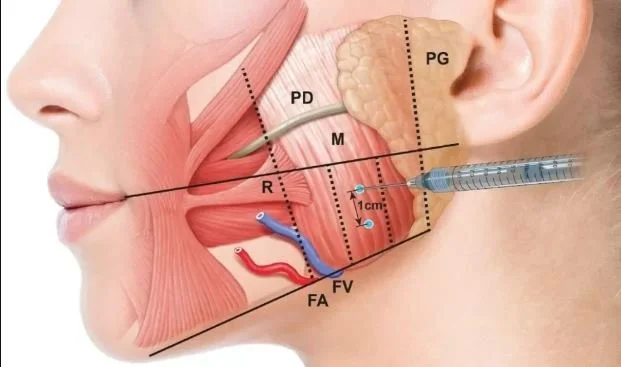
Localized Botox injections into the jaw muscles
Minimal discomfort, usually takes 10–20 minutes
Normal activity can resume immediately
Pain relief gradually appears over 1–2 weeks
Safety and Considerations
Administered by trained dental or medical professionals
Minimal side effects (mild swelling, temporary weakness)
Not suitable for pregnant or breastfeeding patients
Follow-up every 3–6 months for maintenance
Alternative TMJ Treatments
Night guards or splints
Physical therapy and jaw exercises
Stress management and relaxation
Bite correction or orthodontics
Final Thoughts
Botox for TMJ is a safe, effective, and non-surgical way to relieve jaw pain and teeth grinding. Patients in Sydney report improved comfort, fewer headaches, and better quality of life.