What Is TMJ?
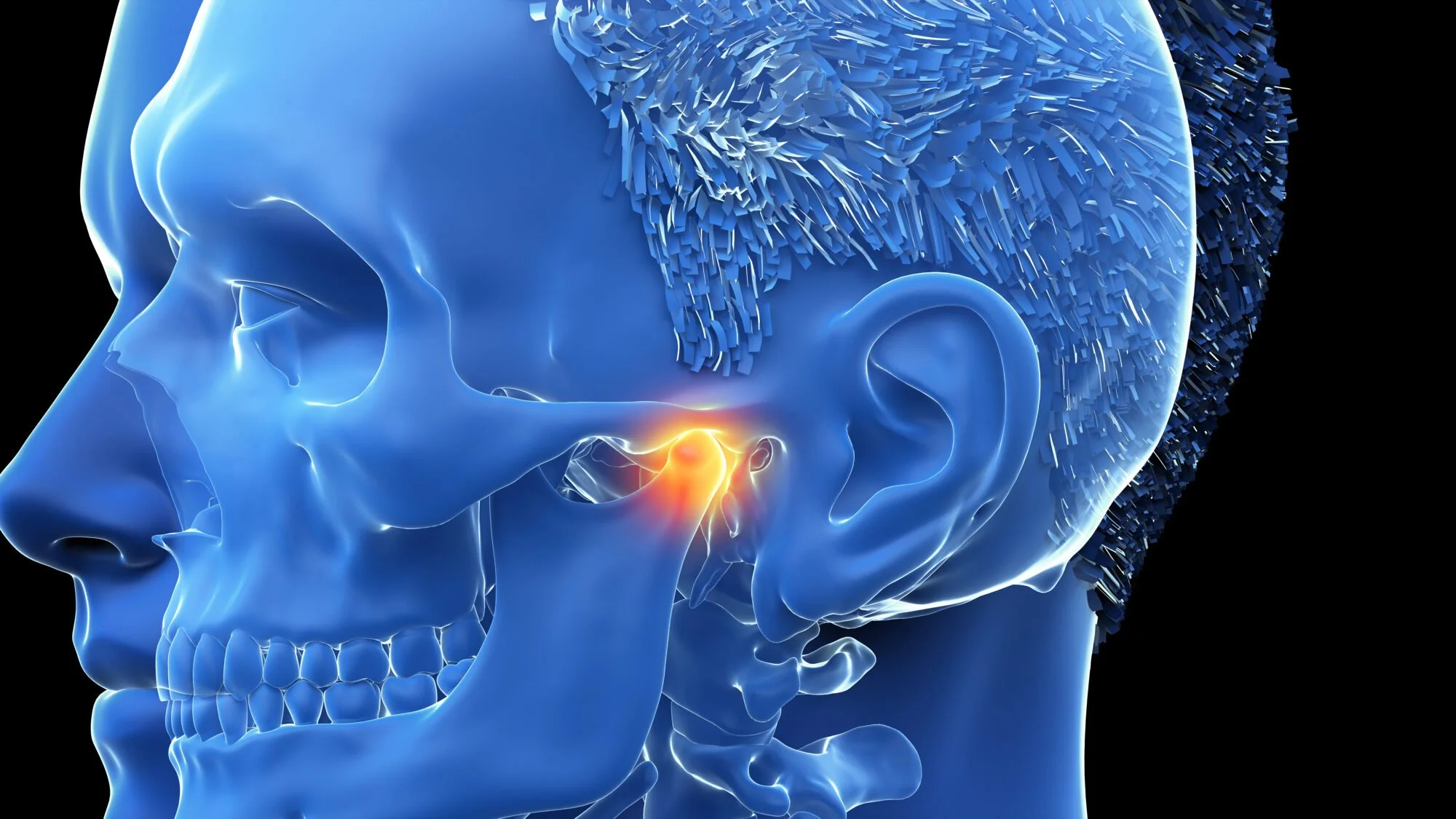
TMJ (temporomandibular joint) connects your jaw to your skull. It allows chewing, speaking, and yawning. When this joint or surrounding muscles become strained or damaged, it leads to TMJ disorder (TMD), causing pain, stiffness, and dysfunction.
Common Symptoms of TMJ Disorders
Patients should watch for:
Jaw pain or tenderness
Clicking, popping, or locking of the jaw
Headaches, neck, or shoulder pain
Difficulty chewing or opening the mouth wide
Teeth grinding or clenching (bruxism)
Early recognition of these symptoms can prevent long-term damage.
Causes of TMJ Problems
Jaw misalignment or malocclusion
Teeth grinding and clenching
Stress and anxiety causing muscle tension
Arthritis affecting the jaw joint
Trauma or injury to the jaw
Diagnosis: How Dentists Evaluate TMJ Health
TMJ disorders are diagnosed through:
Patient history and symptom discussion
Physical examination of jaw movement
Imaging (X-rays, CT, or MRI for severe cases)
Bite analysis and muscle assessment
Treatment Options for TMJ Disorders
1. Non-Surgical Treatments
Night guards or splints – prevent teeth grinding
Physical therapy – exercises to improve mobility
Pain management – anti-inflammatories or muscle relaxants
Stress management – reduce jaw clenching
2. Minimally Invasive Options
Botox injections – relax jaw muscles and reduce pain
Dental restorations – correct bite misalignment
3. Surgical Options (Rare)
Arthroscopy or joint repair for severe cases
Usually a last resort if conservative treatments fail
Daily Tips for Maintaining TMJ Health
Avoid excessive chewing (gum, tough foods)
Practice jaw relaxation exercises
Use good posture to reduce neck/jaw tension
Manage stress through meditation or therapy
Visit a TMJ-specialist dentist early if symptoms appear
When to See a Dentist or Specialist
Seek professional care if:
Jaw pain persists more than a few weeks
Jaw locks open or closed
You have frequent headaches or ear pain
Teeth grinding is causing damage
Early intervention improves outcomes and prevents chronic TMJ issues.
Final Thoughts
TMJ health is crucial for pain-free chewing, speaking, and overall oral function. Awareness, early diagnosis, and proper treatment—from night guards to Botox—can dramatically improve quality of life. Patients in Sydney should consult a dental specialist if symptoms appear.