What Is TMJ?
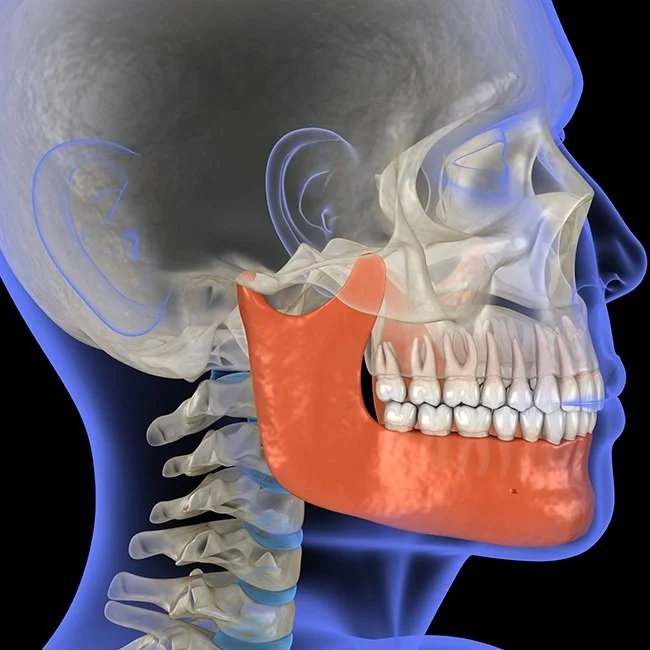
TMJ (temporomandibular joint) connects your jaw to your skull, enabling chewing, speaking, and yawning. TMJ disorders (TMD) occur when the joint or surrounding muscles become strained or misaligned, causing pain, stiffness, and dysfunction.
How TMJ Affects the Whole Body
1. Jaw and Facial Pain
Chronic jaw pain, tenderness, or stiffness
Headaches or migraines
Earaches or ringing in the ears (tinnitus)
2. Neck, Shoulder, and Back Tension
Overworked jaw muscles can radiate pain to the neck, shoulders, and upper back
Postural issues caused by jaw misalignment may exacerbate tension and muscle fatigue
3. Sleep Disturbances
TMJ disorders are often linked to bruxism (teeth grinding)
Bruxism can disrupt sleep and contribute to obstructive sleep apnea
Poor sleep affects mood, focus, and overall energy levels
4. Digestive & Eating Difficulties
Painful chewing may limit diet variety, affecting nutrition
Chronic jaw tension can lead to swallowing difficulties
5. Mental Health Impact
Chronic TMJ pain contributes to stress, anxiety, and irritability
Sleep disruption further impacts mental well-being and cognitive function
Common Causes of TMJ Disorders
Jaw clenching and teeth grinding (bruxism)
Misaligned bite or narrow palate
Stress and muscle tension
Arthritis or inflammation in the jaw joint
Injury or trauma to the jaw
Treatment Options for TMJ Disorders
Non-Invasive Treatments
Night guards or splints to prevent teeth grinding
Jaw exercises and physiotherapy to relieve tension
Stress management and relaxation techniques
Minimally Invasive Treatments
Botox injections for overactive jaw muscles
PBM (low-level laser) therapy to reduce inflammation and pain
Surgical Options (Rare)
Arthroscopy or jaw joint repair for severe cases
Usually reserved for patients unresponsive to conservative treatments
Daily Tips for Maintaining TMJ Health
Avoid excessive chewing (gum, tough foods)
Practice good posture, especially while sitting or working
Reduce stress with mindfulness, meditation, or exercise
Visit a TMJ-specialist dentist early if symptoms appear
Use a night guard if recommended by your dentist
Final Thoughts
TMJ disorders are not just about jaw pain—they affect your head, neck, shoulders, sleep, mental health, and overall quality of life. Early recognition and treatment can prevent systemic complications. Patients in Sydney should consult a dental or TMJ specialist to protect both their oral and overall health.