
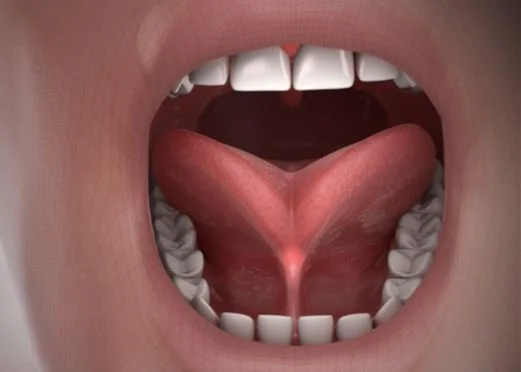
What Is Tongue-Tie?
Tongue-tie, or ankyloglossia, is a condition where the band of tissue under the tongue (lingual frenulum) is unusually short, tight, or thick. This restricts tongue movement and can lead to compensatory muscle tension in the jaw, neck, and surrounding areas.
Patients in Sydney often first notice tongue-tie due to speech difficulties, breastfeeding issues (in infants), or jaw discomfort later in life.
How Tongue-Tie Creates Muscle Tension
Jaw Overcompensation
Restricted tongue movement forces the jaw muscles to work harder for chewing and swallowing
Can lead to TMJ tension, jaw pain, and teeth grinding
Neck and Shoulder Strain
Tongue-tie affects posture and head position during swallowing or speech
Over time, this can cause chronic neck, shoulder, and upper back tension
Postural Effects
Tongue position affects tongue posture, which influences head and neck alignment
Poor posture can contribute to headaches, fatigue, and even digestive issues
Sleep and Breathing Impacts
Restricted tongue movement may cause mouth breathing, snoring, or sleep apnea
Chronic low-grade hypoxia during sleep can worsen muscle fatigue and tension
Signs and Symptoms of Tongue-Tie Related Muscle Tension
Jaw stiffness or clicking (TMJ)
Chronic neck, shoulder, or upper back tension
Headaches or migraines
Speech difficulties or lisps
Mouth breathing or snoring
Difficulty with certain foods or swallowing
Diagnosis and Assessment
Oral examination of tongue mobility
Evaluation of jaw function and bite alignment
Assessment of posture and head-neck alignment
Speech or swallowing consultation if needed
Treatment Options
1. Tongue-Tie Release (Frenectomy/Frenuloplasty)
Minor surgical procedure to release tight frenulum
Improves tongue mobility
Often combined with myofunctional therapy for best results
2. Myofunctional Therapy & Exercises
Strengthens tongue and jaw muscles
Improves posture, swallowing, and breathing
Reduces chronic muscle tension
3. Complementary TMJ and Postural Therapy
Night guards if bruxism is present
Physical therapy for neck, shoulder, and upper back muscles
Stress management to reduce jaw clenching
Daily Tips to Reduce Muscle Tension
Perform tongue and jaw stretches daily
Practice nasal breathing to reduce mouth breathing
Maintain good posture while sitting and sleeping
Seek early evaluation if you notice jaw or neck discomfort
Final Thoughts
Tongue-tie is more than a minor oral anomaly—it can create chronic muscle tension affecting the jaw, neck, shoulders, posture, and even sleep. Early assessment and treatment, combined with therapy, can improve function, reduce pain, and enhance overall quality of life. Patients in Sydney should consider a consultation with a dental or myofunctional specialist if they experience these issues.