Dental anxiety is more common than many people think. If the idea of sitting in a dental chair makes you nervous, IV sedation dentistry may be the solution you’ve been looking for. It allows patients to undergo treatments in a deeply relaxed, stress-free state while still receiving safe and effective care.
What Is IV Sedation Dentistry?
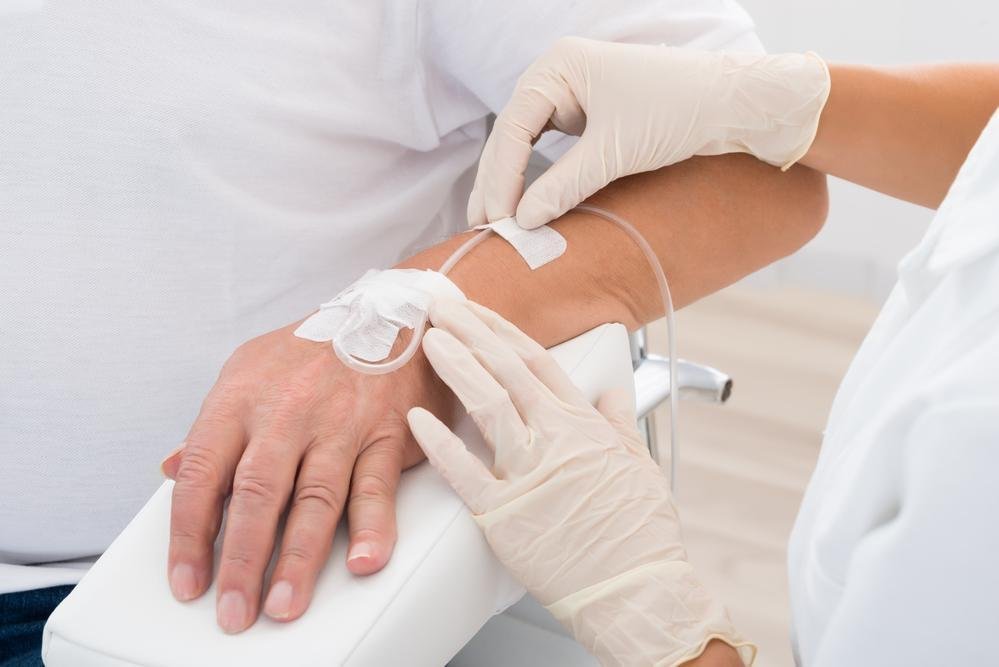
Intravenous Sedation Dentistry is a technique where sedative medication is delivered directly into the bloodstream through a small IV line. This helps patients feel calm, drowsy, and often unaware of the procedure taking place.
Unlike general anesthesia, you are usually still conscious—but in a deeply relaxed state.
How IV Sedation Works
Here’s what typically happens during the process:
A small IV is placed in your arm or hand
Sedative medication is slowly administered
You begin to feel relaxed and sleepy within minutes
Your dentist performs the procedure while you remain comfortable
Most patients have little or no memory of the treatment
What Dental Procedures Use IV Sedation?
IV sedation can be used for a wide range of treatments, including:
Tooth extractions (including wisdom teeth removal)
Dental implant placement
Root canal therapy
Multiple fillings or crowns
Full-mouth rehabilitation
Treatment for severe dental anxiety
Benefits of IV Sedation Dentistry
1. Reduced Anxiety and Fear
Patients feel calm and relaxed, making dental visits much easier.
2. Pain-Free Experience
You are unlikely to feel discomfort during the procedure.
3. Faster Treatment Completion
Dentists can often complete multiple procedures in one visit.
4. Minimal Memory of the Procedure
Many patients remember very little or nothing afterward.
5. Suitable for Complex Dental Work
Ideal for longer or more involved treatments.
Who Is a Good Candidate?
You may benefit from IV sedation if you:
Experience severe dental anxiety or phobia
Have a strong gag reflex
Require extensive dental treatment
Have difficulty sitting still for long procedures
Had traumatic dental experiences in the past
A dental assessment is required to ensure it is safe for you.
Safety of IV Sedation
IV sedation is considered very safe when administered by trained professionals. During the procedure, your vital signs—such as heart rate, oxygen levels, and blood pressure—are closely monitored.
However, you will need someone to drive you home afterward, as the effects take time to wear off.
Recovery After IV Sedation
Most patients feel groggy for a few hours after treatment. It’s recommended to:
Rest for the remainder of the day
Avoid driving or operating machinery
Drink fluids and eat light meals
Follow all post-procedure instructions
Normal activities can usually be resumed the next day.
IV Sedation vs Other Sedation Options
Nitrous oxide (laughing gas): Mild relaxation, wears off quickly
Oral sedation: Taken as a pill, moderate relaxation
IV sedation: Stronger, faster-acting, and more controlled
Final Thoughts
IV sedation dentistry has transformed the way patients experience dental care. It allows even the most anxious individuals to receive necessary treatment in a calm and comfortable environment, without fear or stress.
Take the Next Step
If dental anxiety has been holding you back, ask your dentist about IV sedation options. A comfortable, pain-free dental experience may be easier than you think.