Do you wake up with jaw pain or sensitive teeth? You might be grinding your teeth at night—a condition known as bruxism. Over time, this habit can lead to cracked teeth, a serious dental issue that often goes unnoticed until it worsens.
Let’s break down why it happens, how to spot it early, and what you can do to protect your teeth.
What Is Teeth Grinding (Bruxism)?
Bruxism is the involuntary clenching or grinding of teeth, often during sleep. Many people don’t even realize they’re doing it until symptoms appear or a dentist detects signs of damage.
How Grinding Causes Cracked Teeth
When you grind your teeth, you apply excessive pressure—far more than normal chewing. This constant force can:
Wear down enamel
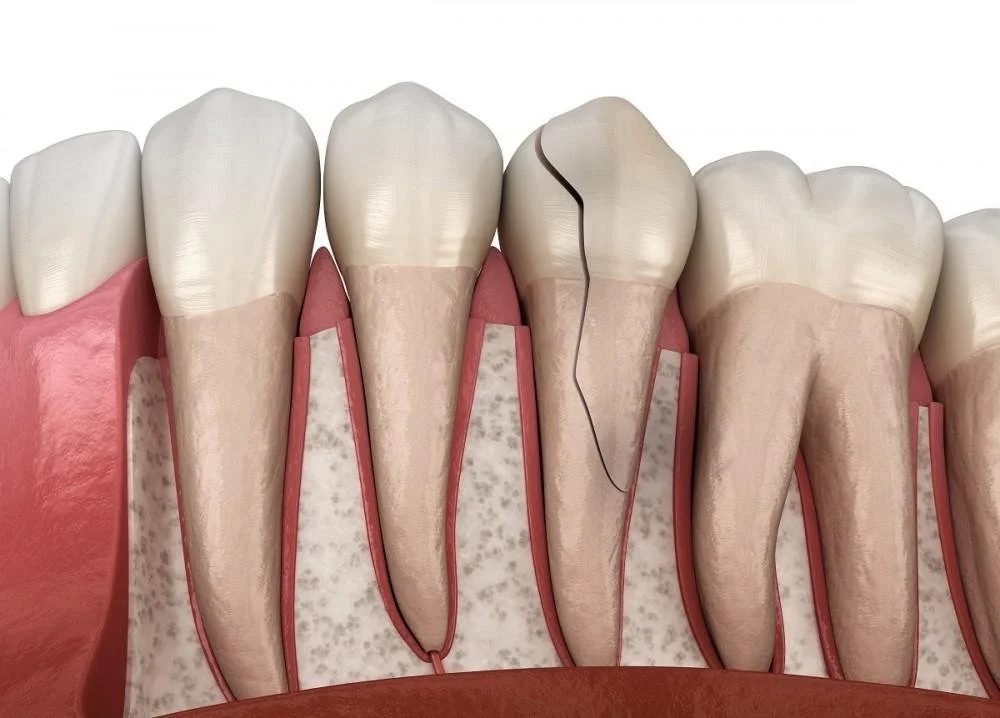
Create tiny fractures (hairline cracks)
Lead to deeper cracks over time
Weaken the overall tooth structure
Eventually, these cracks can worsen, causing pain or even tooth loss if left untreated.
Signs You May Have a Cracked Tooth
Cracked teeth aren’t always visible, but common symptoms include:
Sharp pain when biting or chewing
Sensitivity to hot, cold, or sweet foods
Intermittent discomfort (pain comes and goes)
Swelling around the affected tooth
A rough or uneven tooth surface
If you notice any of these symptoms, it’s important to see a dentist early.
Common Causes of Teeth Grinding
Bruxism can be triggered by several factors:
Stress and anxiety
Sleep disorders
Misaligned teeth (bite issues)
Caffeine or alcohol consumption
Certain medications
Identifying the cause helps guide effective treatment.
Treatment Options for Cracked Teeth
The right treatment depends on the severity of the crack:
1. Dental Bonding
For minor cracks, a tooth-colored resin can restore the tooth’s appearance and function.
2. Dental Crown
A crown covers and protects a damaged tooth, preventing further cracking.
3. Root Canal
If the crack reaches the pulp, this procedure removes infected tissue and saves the tooth.
4. Tooth Extraction
In severe cases where the tooth cannot be saved, removal may be necessary.
How to Prevent Cracked Teeth from Grinding
Prevention is key when it comes to bruxism:
Wear a Night Guard
A custom mouthguard protects your teeth while you sleep.
Manage Stress
Relaxation techniques like meditation or exercise can reduce grinding.
Avoid Hard Foods
Chewing ice or hard candies can worsen cracks.
Limit Caffeine & Alcohol
These can increase grinding, especially at night.
Regular Dental Check-Ups
Early detection can prevent minor cracks from becoming major problems.
Why Early Treatment Matters
Ignoring a cracked tooth can lead to:
Infection
Severe pain
Tooth loss
More expensive treatments later
The sooner you address the issue, the better your chances of saving the tooth.
Final Thoughts
Teeth grinding might seem harmless, but over time it can cause serious damage like cracked teeth. The good news? With early detection and the right care, you can protect your smile and avoid long-term complications.
Take the Next Step
If you suspect you’re grinding your teeth or have a cracked tooth, book a dental check-up. Protecting your teeth today can save you pain—and money—tomorrow.