If you suffer from jaw pain, headaches, or difficulty chewing, you may be dealing with TMJ disorder—short for temporomandibular joint disorder. One increasingly popular treatment option is Botox injections, which can help relieve muscle tension and reduce pain.
What Is TMJ Disorder?
Temporomandibular Joint Disorder affects the jaw joint and surrounding muscles. It can cause:
Jaw pain or tenderness
Clicking or popping sounds
Headaches or ear pain
Difficulty opening or closing the mouth
Facial muscle tightness
One of the most common causes is excessive jaw muscle activity, often from clenching or grinding.
How Botox Helps TMJ Pain
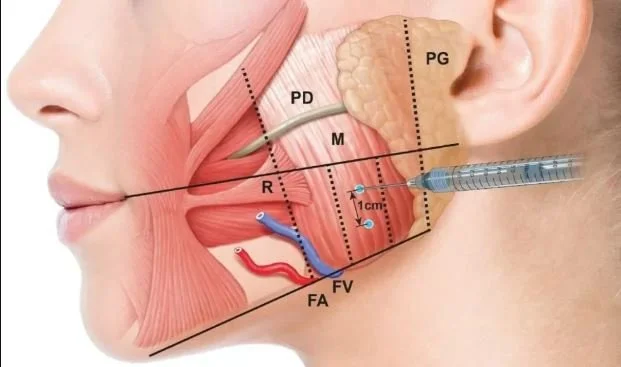
Botox (botulinum toxin) works by temporarily relaxing overactive jaw muscles. When injected into specific areas, it reduces muscle contractions that contribute to pain and tension.
This can help:
Relieve jaw clenching and grinding
Reduce tension headaches
Improve jaw mobility
Decrease facial muscle soreness
What to Expect During Treatment
The procedure is quick and minimally invasive:
Your dentist or specialist assesses your jaw muscles
Small injections are placed in targeted areas
The treatment takes about 10–20 minutes
No downtime is usually required
Most patients begin noticing relief within a few days to two weeks.
How Long Does Botox for TMJ Last?
Results typically last 3 to 4 months, after which follow-up treatments may be needed. Over time, some patients notice reduced symptoms as muscle activity becomes better controlled.
Benefits of Botox for TMJ
Non-surgical treatment option
Fast procedure with minimal discomfort
Reduces pain and muscle tension
May help prevent teeth grinding damage
Improves quality of life
Are There Any Side Effects?
Botox for TMJ is generally safe when performed by a qualified professional. However, possible side effects may include:
Mild swelling or bruising at injection site
Temporary jaw weakness
Slight difficulty chewing (rare)
These effects usually resolve quickly.
Is Botox Right for You?
You may be a candidate if you:
Experience chronic jaw pain or clenching
Have not found relief from night guards or therapy
Suffer from frequent tension headaches
Want a non-surgical treatment option
A dental or medical evaluation is essential before starting treatment.
Final Thoughts
TMJ pain can significantly affect daily life, but modern treatments like Botox offer real relief for many patients. By relaxing overactive jaw muscles, it can reduce pain, improve function, and help you feel more comfortable again.
Take the Next Step
If you’re struggling with jaw tension or TMJ symptoms, speak with a qualified dental professional to see if Botox treatment is right for you.