A cracked tooth isn’t always easy to see — but it can cause sharp pain, sensitivity, and discomfort that comes and goes. This condition is often referred to as cracked teeth syndrome (CTS), and it can affect anyone, even if the tooth looks completely normal on the outside.
Because the crack may be very small or hidden, patients often experience symptoms long before a diagnosis is made. Early detection is key to saving the tooth and preventing more serious damage.
What Is Cracked Teeth Syndrome?
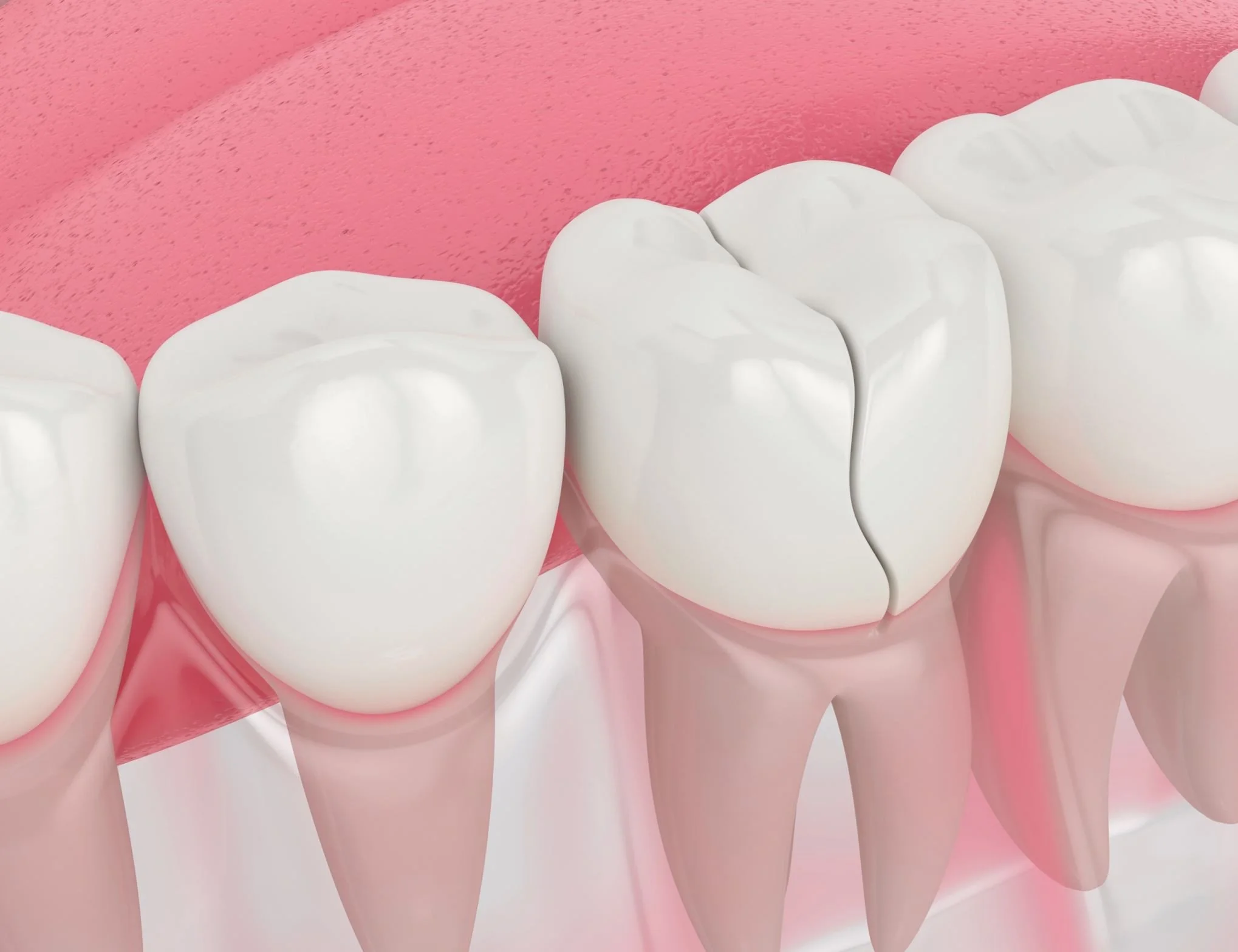
Cracked teeth syndrome occurs when a tooth develops a fracture that may extend into the enamel, dentin, or sometimes deeper into the tooth structure.
Unlike a broken tooth, a cracked tooth may still look intact, which makes it harder to identify without a dental examination.
The crack can worsen over time, especially when biting pressure continues to stress the tooth.
Common Symptoms of a Cracked Tooth
Cracked teeth often produce inconsistent or hard-to-pinpoint symptoms, such as:
Sharp pain when biting or chewing
Sensitivity to hot or cold foods
Pain that comes and goes
Discomfort when releasing bite pressure
Localised tooth pain without obvious cause
Occasional swelling around the tooth
Many patients describe it as a “sharp jab” when chewing on a specific side.
What Causes Cracked Teeth?
There are several common causes of cracked teeth syndrome, including:
Teeth Grinding (Bruxism)
Clenching or grinding teeth, especially during sleep, places repeated pressure on teeth and can cause micro-cracks over time.
Chewing Hard Foods
Biting into hard foods such as ice, nuts, or hard lollies can create sudden stress on teeth.
Large Fillings or Previous Dental Work
Teeth with large fillings may be weaker and more prone to cracking.
Trauma or Injury
Accidents, sports injuries, or impacts to the face can cause cracks in teeth.
Age-Related Wear
As teeth age, they naturally become more brittle and susceptible to fractures.
Why Cracked Teeth Are Hard to Diagnose
Cracked teeth are often difficult to detect because:
The crack may not show on X-rays
Pain is not constant
Symptoms can mimic other dental problems
The crack may open and close during biting
Because of this, patients may visit multiple times before a diagnosis is confirmed.
What Happens If a Cracked Tooth Is Left Untreated?
If a cracked tooth is not treated, the crack can deepen and spread, leading to:
Increased pain and sensitivity
Infection of the tooth nerve
Tooth fracture or breakage
Need for root canal treatment
Possible tooth loss
Early treatment greatly improves the chance of saving the tooth.
Treatment Options for Cracked Teeth Syndrome
Treatment depends on the location and severity of the crack.
Dental Bonding or Filling
For small surface cracks, bonding material can help stabilise the tooth and restore function.
Dental Crown
A crown is often used to protect a cracked tooth by covering it completely, preventing further damage.
Root Canal Treatment
If the crack reaches the inner nerve of the tooth, root canal treatment may be required to remove infection and preserve the tooth.
Tooth Extraction (Severe Cases)
If the crack extends too deep and the tooth cannot be saved, removal may be necessary, followed by replacement options such as a dental implant or bridge.
Can Cracked Teeth Be Prevented?
While not all cracks can be prevented, you can reduce your risk by:
Wearing a night guard if you grind your teeth
Avoiding chewing hard objects
Treating bite problems early
Maintaining regular dental check-ups
Addressing jaw clenching and stress
Cracked Teeth and Jaw Pain Connection
In some cases, cracked teeth can be linked with jaw tension or TMJ disorder, especially if teeth grinding is the underlying cause.
Patients may experience overlapping symptoms such as:
Jaw soreness
Headaches
Tooth sensitivity
Facial muscle tightness
A full dental assessment helps determine the root cause.
When to See a Dentist
You should seek dental care if you experience:
Sharp pain when chewing
Sensitivity in one specific tooth
Pain that comes and goes without explanation
Discomfort when biting pressure is released
Early diagnosis is the best way to prevent further damage and preserve the tooth.
Conclusion
Cracked teeth syndrome is a common but often hidden dental condition that can cause significant discomfort if left untreated. Because symptoms can be inconsistent, early professional assessment is essential.
With timely diagnosis and appropriate treatment such as bonding, crowns, or root canal therapy, most cracked teeth can be successfully managed and preserved.