Visiting the dentist can feel challenging for patients with autism, sensory sensitivities, anxiety, or physical and intellectual disabilities. That’s why special needs dentistry focuses on creating a calm, supportive, and comfortable environment tailored to every patient’s individual needs.
Modern dental clinics are increasingly offering compassionate care for patients on the spectrum and individuals with disabilities, helping families access safe and stress-free dental treatment.
What Is Special Needs Dentistry?
Special needs dentistry is a personalised approach to dental care designed for patients who may require additional support during treatment.
This can include patients with:
Autism Spectrum Disorder (ASD)
Sensory sensitivities
ADHD
Intellectual disabilities
Physical disabilities
Dental anxiety or communication challenges
The goal is to create a positive dental experience while ensuring patients receive the oral care they need comfortably and safely.
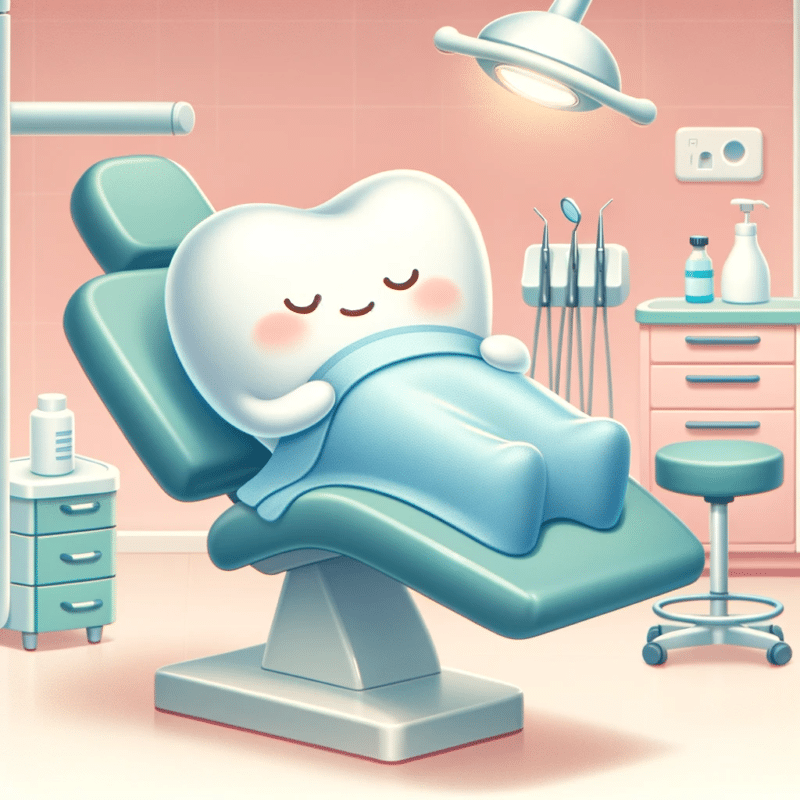
Creating a Calm and Comfortable Dental Experience
Patients on the spectrum or with disabilities often experience heightened sensitivity to sounds, lights, textures, or unfamiliar environments. A compassionate dental team understands these challenges and adapts treatment accordingly.
Many special needs dental clinics provide:
Quiet treatment rooms
Gentle communication techniques
Sensory-friendly environments
Extra appointment time
Calm and patient-focused care
Sedation dentistry options if required
These adjustments help reduce stress and create a more relaxed experience for both patients and caregivers.
The Importance of Routine Dental Care
Regular dental visits are essential for maintaining oral health and preventing more complex dental issues in the future.
For patients with disabilities or sensory challenges, consistent dental care can help build familiarity and trust over time. Positive experiences also reduce fear and anxiety associated with dental treatment.
Preventive care such as professional cleaning, fluoride treatments, and regular check-ups play an important role in long-term oral health.
Sedation Dentistry for Special Needs Patients
For some patients, sedation dentistry can help make dental treatment more manageable and comfortable.
Options such as nitrous oxide, oral sedation, or IV sedation dentistry may be recommended depending on the patient’s individual needs and level of anxiety.
Sedation can help patients feel calm and relaxed during treatment while allowing dental procedures to be completed safely and efficiently.
Many families find that sedation dentistry significantly improves the overall dental experience for patients with sensory sensitivities or severe anxiety.
Gentle Dentistry for Patients on the Autism Spectrum
Patients with autism often benefit from structured, predictable, and sensory-friendly dental care.
Experienced autism-friendly dentists may use visual explanations, slower introductions to treatment, and clear communication techniques to help patients feel more comfortable.
Simple adjustments such as reducing bright lights, minimising noise, and allowing familiar comfort items can make a significant difference during appointments.
Building trust and routine is essential for creating positive long-term dental experiences for patients on the spectrum.
Support for Families and Caregivers
A caring special needs dental clinic understands that families and caregivers are an important part of the treatment process.
Dentists work closely with parents, support workers, and caregivers to understand each patient’s needs, preferences, and communication style.
This collaborative approach helps create personalised dental care plans that support both comfort and oral health outcomes.
Why Choosing the Right Dentist Matters
Not every dental clinic is experienced in caring for patients with sensory challenges or disabilities. Choosing a dentist with experience in special needs dentistry can make a major difference in comfort, communication, and treatment success.
A patient-focused dental team creates an environment where every individual feels respected, understood, and supported.
Conclusion
Everyone deserves access to comfortable and compassionate dental care. Special needs dentistry helps patients on the spectrum and individuals with disabilities receive high-quality treatment in a calm and supportive environment.
With gentle care, personalised support, and modern sedation options, dental visits can become more positive, manageable, and stress-free for both patients and families.